
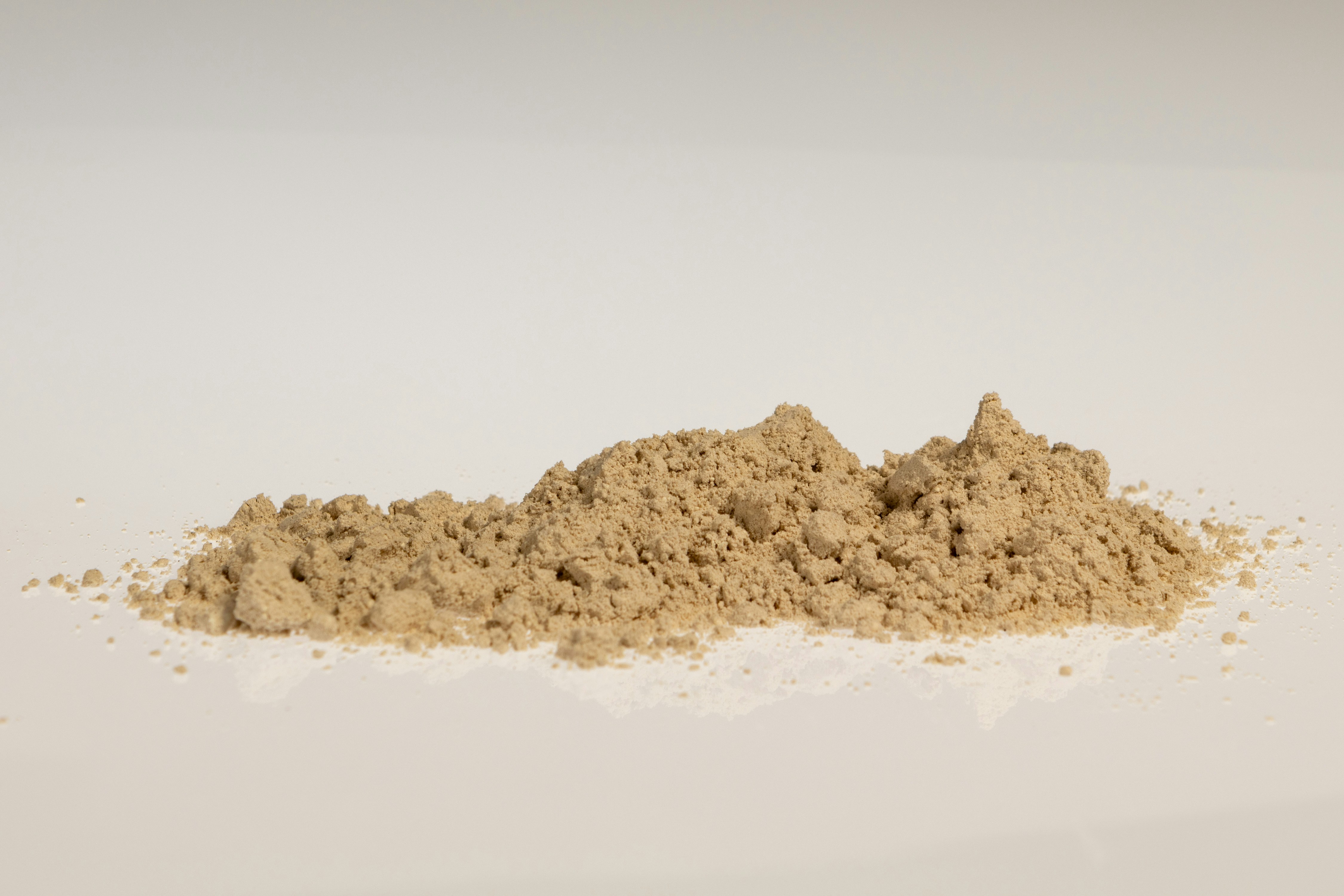
Picture the procurement meeting. Two oyster ingredient datasheets are on the table. Powder A is freeze-dried whole oyster meat from a major Asian supplier - headline number 1,500 mg zinc per 100 g of powder. Powder B is a peptide-hydrolyzed Japanese oyster extract from Hiroshima - headline number 700 mg zinc per 100 g. Same target customer, same finished product positioning, same price band. The procurement team picks Powder A on the spec sheet. Six months later, returning customer reviews favor Powder B by a wide margin, and a competing brand using the same Hiroshima peptide extract has eaten meaningful market share.
This is not a hypothetical. It is a pattern that plays out repeatedly across the men's vitality, anti-fatigue and sports recovery categories - and the reason is one number that does not appear on most oyster ingredient datasheets: bioavailability. This article is for R&D, procurement and brand leadership teams making the choice between whole oyster powder and peptide-hydrolyzed oyster extract. It examines why milligrams of zinc per gram became the dominant procurement metric, what the metric measures, what it misses, and what specifications you should be asking your supplier about instead.
The procurement paradox
The oyster supplement category has been dominated for decades by a single specification metric: milligrams of zinc per gram of powder. This metric is easy to measure, easy to compare across suppliers, and has the seductive simplicity of a single number ranking. It is also, when used in isolation, a misleading basis for procurement decisions.
The metric became dominant for understandable reasons. Zinc is the bioactive component of oyster most strongly associated with the category's traditional positioning - men's health, immune support, energy. Consumer-facing marketing claims around oyster supplements almost invariably reference zinc content. Procurement teams, working from supplier datasheets that quantified zinc and few other variables, naturally optimized for the variable they could see.
The problem is that the consumer does not experience zinc concentration in the powder. The consumer experiences zinc - and other bioactive compounds - delivered to systemic circulation and to target tissues. That is bioavailability. And bioavailability depends not on how much zinc is in the powder, but on the molecular form in which the zinc is presented to the digestive system.
A whole oyster powder at 1,500 mg zinc per 100 g, with 35 percent bioavailability through normal digestion, delivers approximately 525 mg of zinc to systemic circulation per 100 g consumed. A peptide-hydrolyzed oyster extract at 700 mg zinc per 100 g, with 70 percent bioavailability through peptide-chelated transcytosis pathways, delivers approximately 490 mg of zinc per 100 g consumed. The headline gap of more than 2x on the raw spec sheet collapses to single-digit percentages in delivered dose - and that calculation does not yet account for the additional bioactive peptide effects, the differences in absorption kinetics, or the organoleptic constraints that limit consumer dose in raw-powder formats.
What zinc actually does
Before going deeper into bioavailability, it is worth being precise about what zinc does in the human body, because this clarifies why bioavailability matters so much in this specific category.
Zinc is required by more than 200 enzymes involved in cellular metabolism. Its essential biological roles include testosterone signalling and synthesis, spermatogenesis, DNA replication, immune cell function (including T cell development and NK cell activity), antioxidant defence through Cu-Zn superoxide dismutase, wound healing, taste perception, and protein synthesis. The supplement industry's interest in zinc derives mainly from its roles in three areas: men's vitality and reproductive function, immune support, and anti-fatigue plus energy metabolism.
The critical point for procurement is this: zinc concentrations in target tissues depend not on the zinc content of the consumed dose, but on the zinc that crosses the intestinal wall, enters circulation, and is delivered to the receptor sites. The biological consequence of inadequate bioavailability is not partial efficacy - it is, in many cases, no clinical effect at all. A dose that fails to raise serum or tissue zinc above the threshold required for the relevant biological response simply does not produce that response.
This non-linearity matters. Reducing absorbed dose by 30 percent through inefficient bioavailability does not reduce clinical effect by 30 percent. It often reduces clinical effect by 100 percent, because the absorbed dose falls below the effective threshold. This is why two products with apparently similar zinc content on the spec sheet can produce dramatically different consumer-perceived results.
Bioavailability 101 - three tiers of zinc delivery
Zinc bioavailability from dietary sources varies dramatically depending on the form in which the zinc is presented. The peer-reviewed nutrition literature documents three broad bioavailability tiers.
Inorganic zinc salts. Zinc sulphate, zinc oxide, zinc gluconate, zinc chloride - the conventional forms used in most multivitamins. Bioavailability runs typically 20-30 percent of the nominal dose. The remainder is excreted unabsorbed. These forms are inexpensive but inefficient.
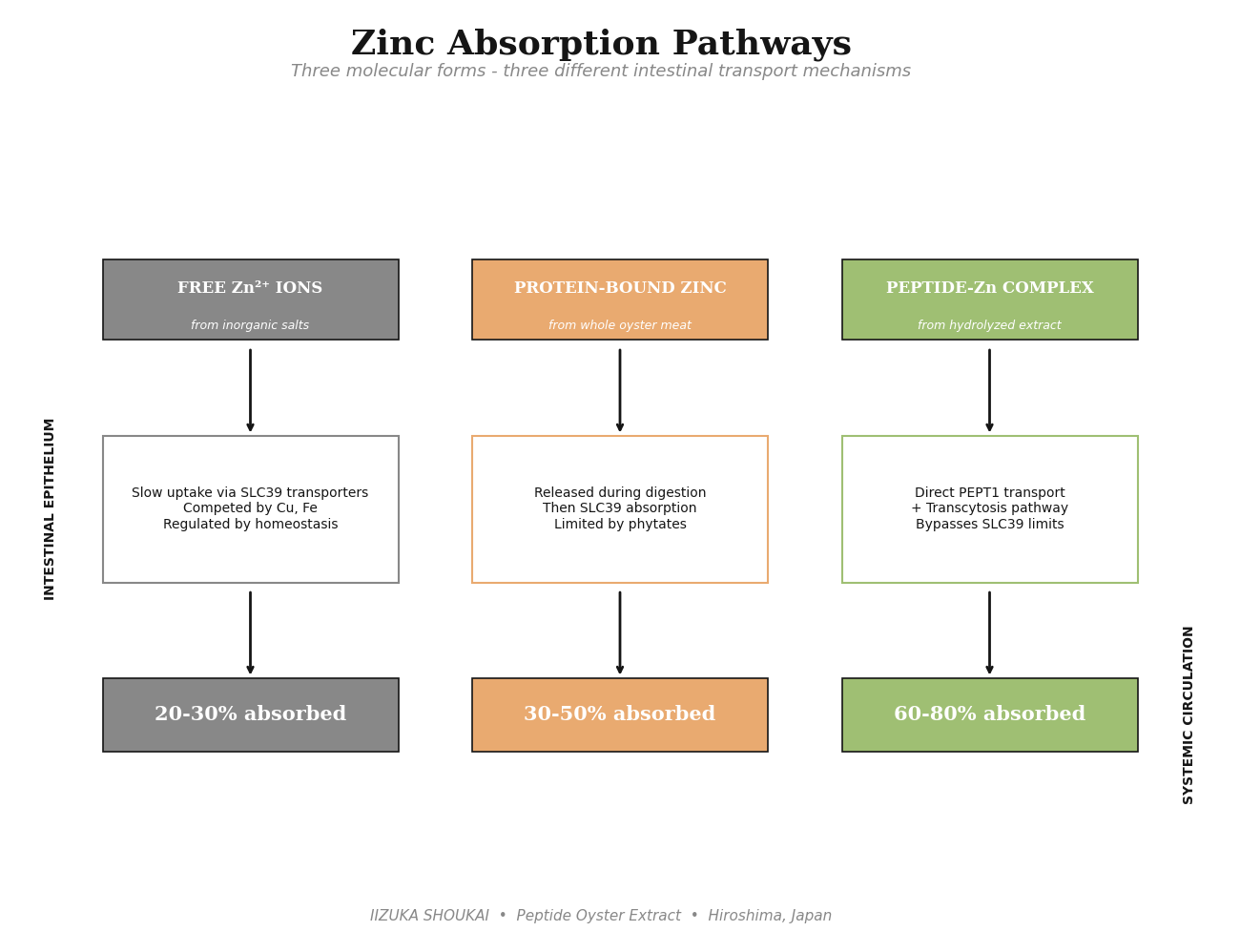
Zinc in whole-food protein matrix. Zinc embedded in food proteins - as it appears in raw oyster meat, beef, eggs, beans, nuts - typically achieves 30-50 percent bioavailability. The upper bound depends on the proportion of phytates, oxalates and other absorption-inhibiting compounds in the matrix. Whole oyster powder falls in this tier. Zinc must be released from the protein matrix through gastric and intestinal digestion, then absorbed primarily through the SLC39 family of zinc transporters.
Peptide-chelated zinc. Zinc complexed with short bioactive peptides, in the form produced by controlled enzymatic hydrolysis of food proteins. Multiple peer-reviewed studies document bioavailability in the 60-80 percent range, with absorption occurring through transcytosis pathways that bypass the SLC39 system. A 2023 study in the Journal of Agricultural and Food Chemistry characterized the casein-peptide-zinc complex TEDELQDKIHP-Zn, demonstrating 78.5 percent retention through simulated gastric digestion, 70.2 percent retention through intestinal digestion, and subsequent transepithelial transport via transcytosis (Wang et al. 2023, J Agric Food Chem). Earlier work in the Journal of Medicinal Food established that collagen-peptide-zinc nanoparticles outperformed both zinc gluconate and zinc sulphate in restoring zinc status in zinc-deficient rats (Guo et al. 2021, J Med Food). A comprehensive 2023 review in Food Chemistry summarized the evidence base for metal-binding peptides as superior mineral delivery systems compared to inorganic salts (Joshua Ashaolu et al. 2023, Food Chem).
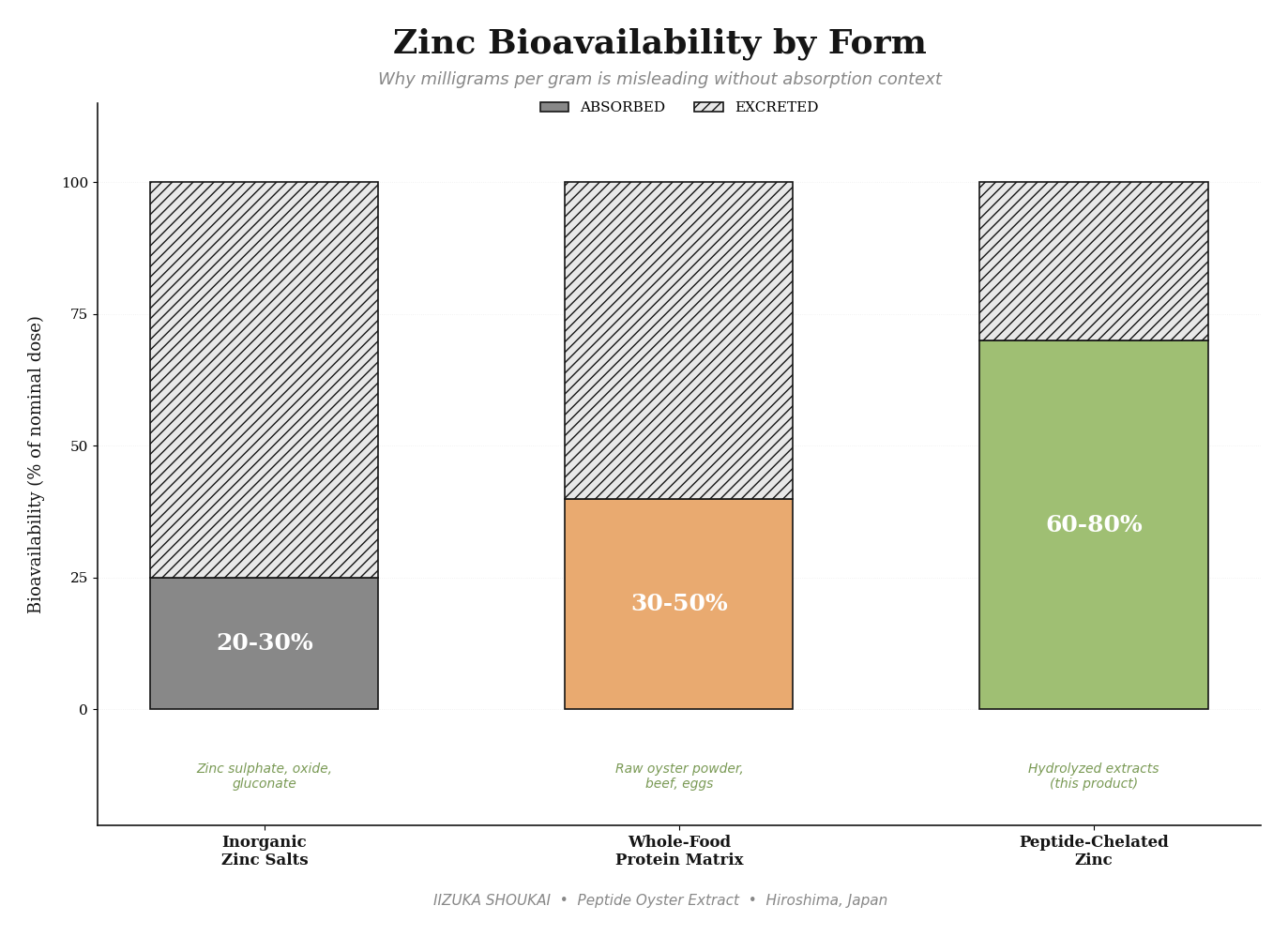
The mechanistic basis for the difference is straightforward. Free zinc ions face multiple absorption obstacles in the gut: competition with copper and iron for shared transporters, binding by dietary inhibitors, regulation by intestinal homeostatic mechanisms that limit how much zinc can be absorbed in any given window. Peptide-chelated zinc bypasses these constraints by entering the intestinal epithelium as an intact peptide-zinc complex through transcytosis, with the zinc released only after delivery to tissues.
Whole oyster powder vs peptide-hydrolyzed extract - the structural comparison
The choice between whole oyster powder and peptide-hydrolyzed extract is not simply a choice between two products in the same category. They are structurally different ingredients with different cost structures, different formulation profiles, different consumer experiences and different marketing claim potentials.
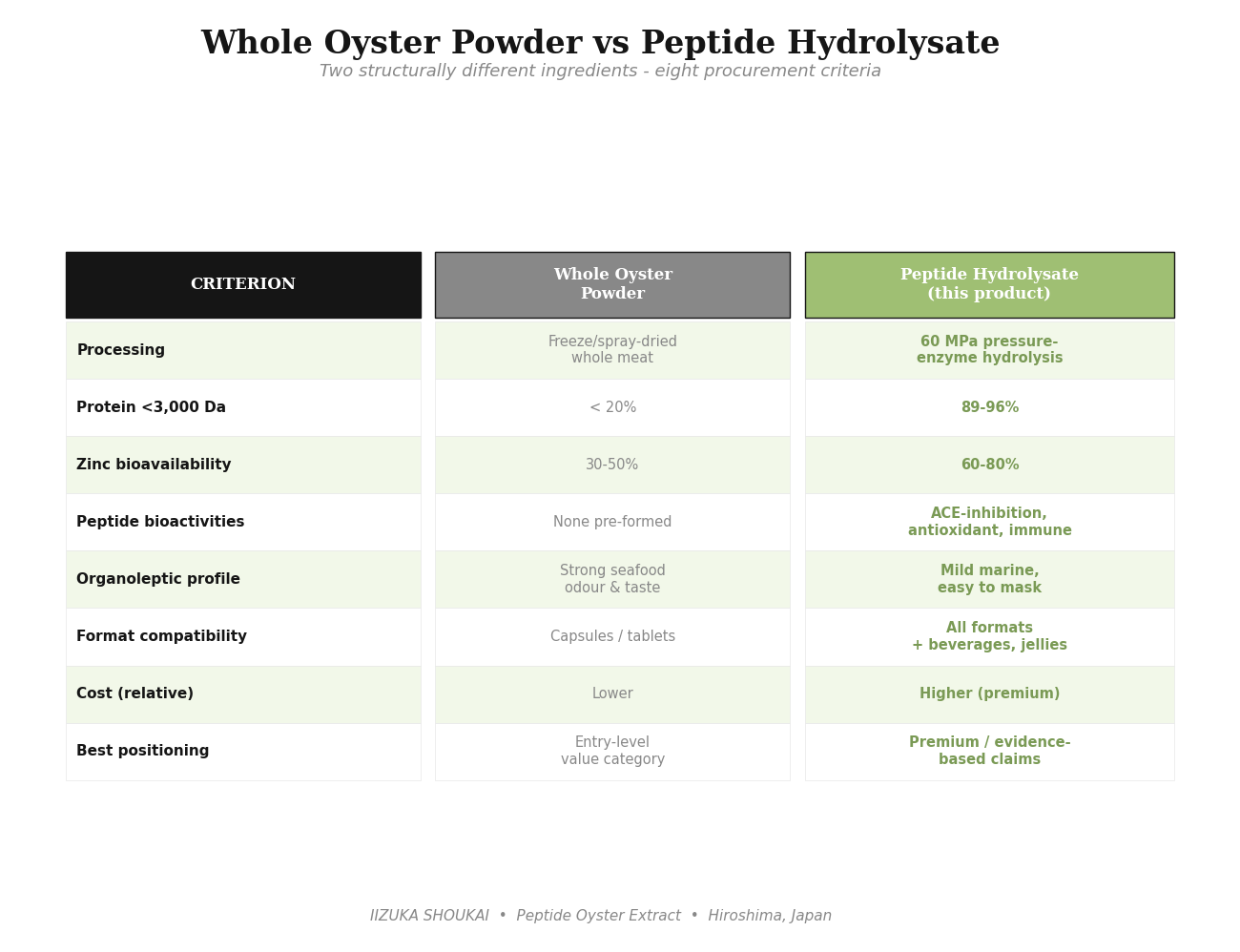
Whole oyster meat powder. Freeze-dried or spray-dried oyster meat with minimal additional processing. Retains the complete nutrient profile of fresh oyster meat in dehydrated form. Lower per-kilogram cost. Single-ingredient label position. Slower absorption profile may suit certain meal-replacement or sustained-energy positioning. Trade-offs: lower bioavailability of zinc and other minerals through the protein matrix, retained strong seafood odour and taste that constrain consumer formats (capsules and tablets work; flavoured beverages are difficult; sticks and sachets require significant flavour masking), no pre-digested peptide bioactivities.
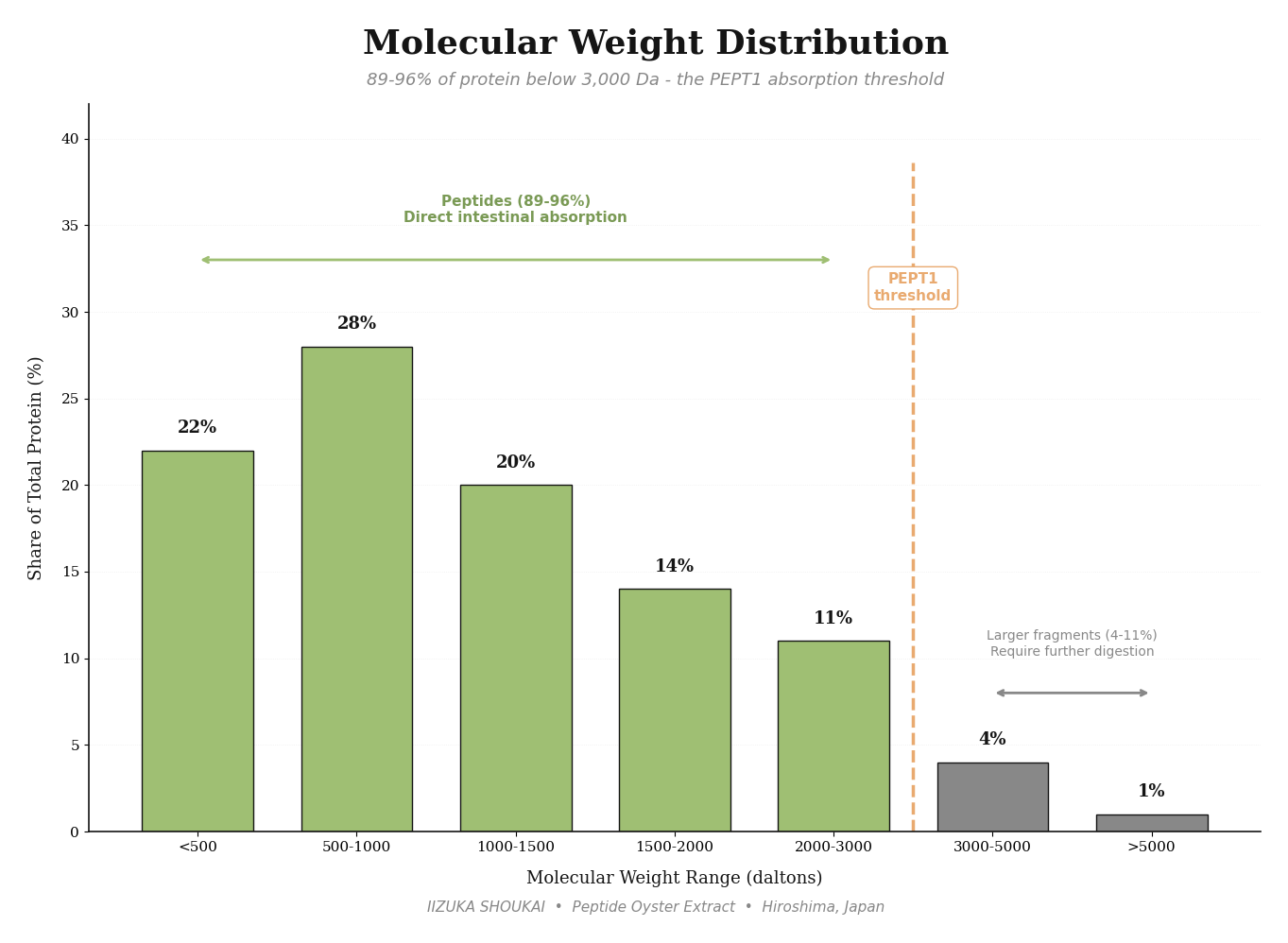
Peptide-hydrolyzed oyster extract. Manufactured by controlled enzymatic hydrolysis of the same oyster substrate, producing a finished material in which 89-96 percent of protein is fragmented into peptides under 3,000 daltons. Premium processing methods - including the 60 MPa pressure-enzyme methodology developed in Hiroshima Prefecture - preserve heat-sensitive bioactive compounds that conventional thermal hydrolysis destroys. Higher per-kilogram cost reflecting substantially more complex manufacturing. Significantly improved organoleptic profile (mild marine note, low seafood character, easy to mask), broader format compatibility (works in beverages, sticks, beauty drinks and jellies in addition to capsules and tablets), and the differentiated absorption profile through PEPT1 transport and peptide-zinc transcytosis.
The marketing claim implication. A brand selling whole oyster powder can credibly claim that the product is a source of zinc. A brand selling peptide-hydrolyzed oyster extract can credibly claim that the product delivers bioavailable zinc through peptide-chelated absorption pathways - a more specific, more differentiated, and more defensible marketing position. For premium positioning, evidence-based marketing and any category where rapid functional onset matters (men's vitality, sports recovery), peptide-hydrolyzed extract is the appropriate specification. Whole oyster powder remains a valid choice for entry-level positioning where cost takes precedence.
The Hiroshima pressure-enzyme technology
Not all peptide hydrolysates are created equal. The manufacturing methodology determines the peptide size distribution, the preservation of heat-sensitive bioactives, the consistency of bioactivity across batches, and the absence of off-flavours that signal poor processing control.
The Hiroshima pressure-enzyme methodology, developed through joint industry-academia-prefecture research and used in the manufacture of premium Japanese peptide oyster extracts, operates at 60 megapascals - approximately 600 atmospheres of pressure, equivalent to the pressure at 6,000 metres depth in the open ocean. The combination of high pressure and controlled enzymatic action produces three measurable advantages over conventional hydrolysis methods.
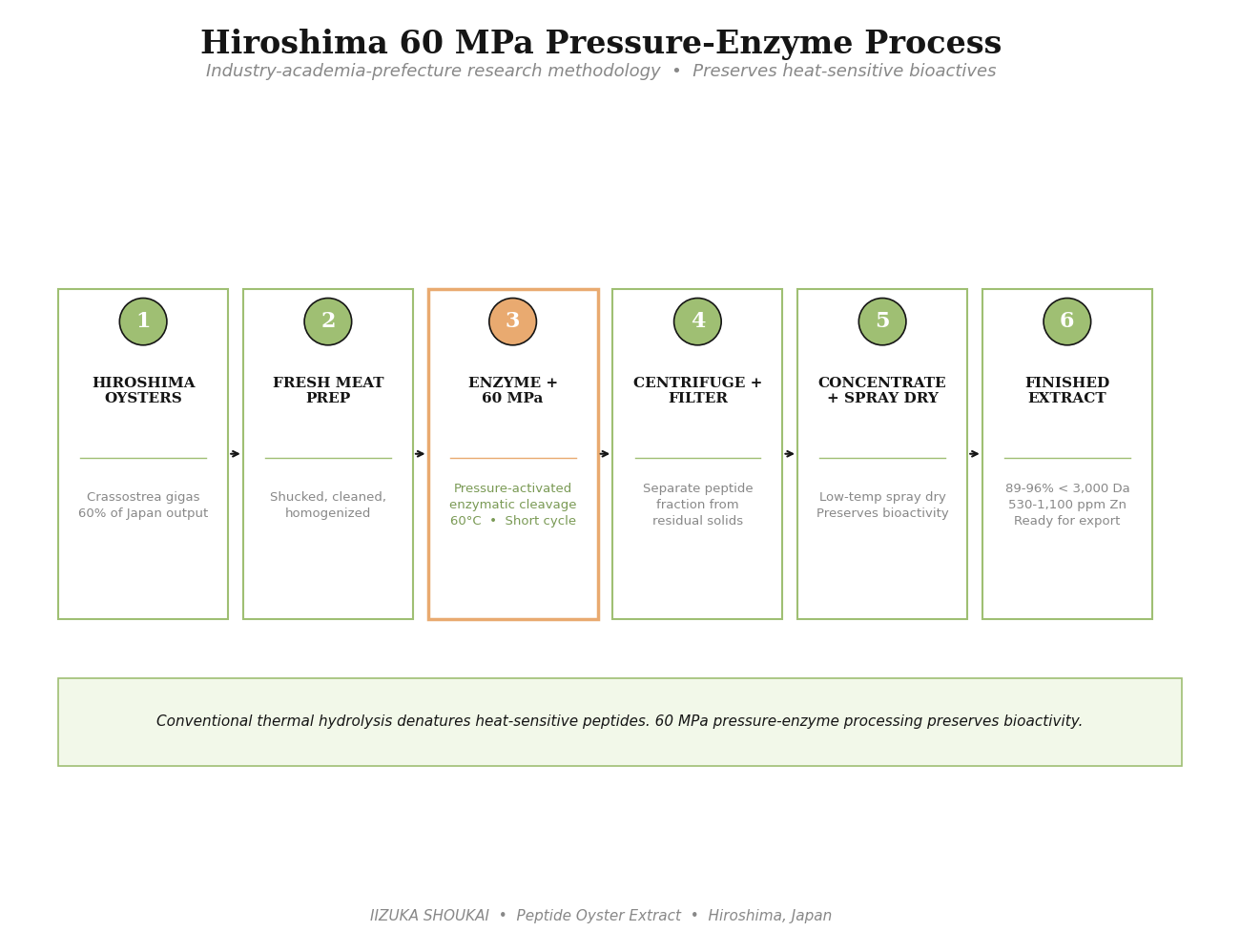
First, the peptide size distribution is shifted dramatically toward bioactive sizes. The Hiroshima methodology produces a finished extract in which 89-96 percent of the protein content is fragmented into peptides under 3,000 daltons - the size cut-off for intact absorption through the PEPT1 transporter. Conventional thermal-enzymatic hydrolysis methods typically produce a much broader distribution, with significant peptide mass above the 3,000 Da threshold that must be further digested before absorption.
Second, heat-sensitive bioactive compounds are preserved. The pressure-enzyme process operates at moderate temperatures (around 60 degrees Celsius) for relatively short durations. Thermal-only hydrolysis methods at higher temperatures and longer times denature heat-sensitive peptides and reduce the bioactive payload of the finished extract.
Third, contamination and denaturation risks are reduced. The high-pressure environment is antimicrobial in a way that slow open-system enzymatic hydrolysis is not, producing a finished extract with lower microbial burden and better organoleptic profile.
The cumulative result is a finished ingredient that performs measurably better than conventionally processed oyster hydrolysates in both ATP regeneration testing and cGMP-PDE inhibition - the two bioactivity assays most relevant to the traditional positioning of oyster supplements in the Japanese market.
Four bioactive pillars in a single ingredient
Peptide-hydrolyzed oyster extract delivers four interlocking bioactive pillars in a single ingredient. Understanding all four is essential for accurate formulation and marketing claim development.
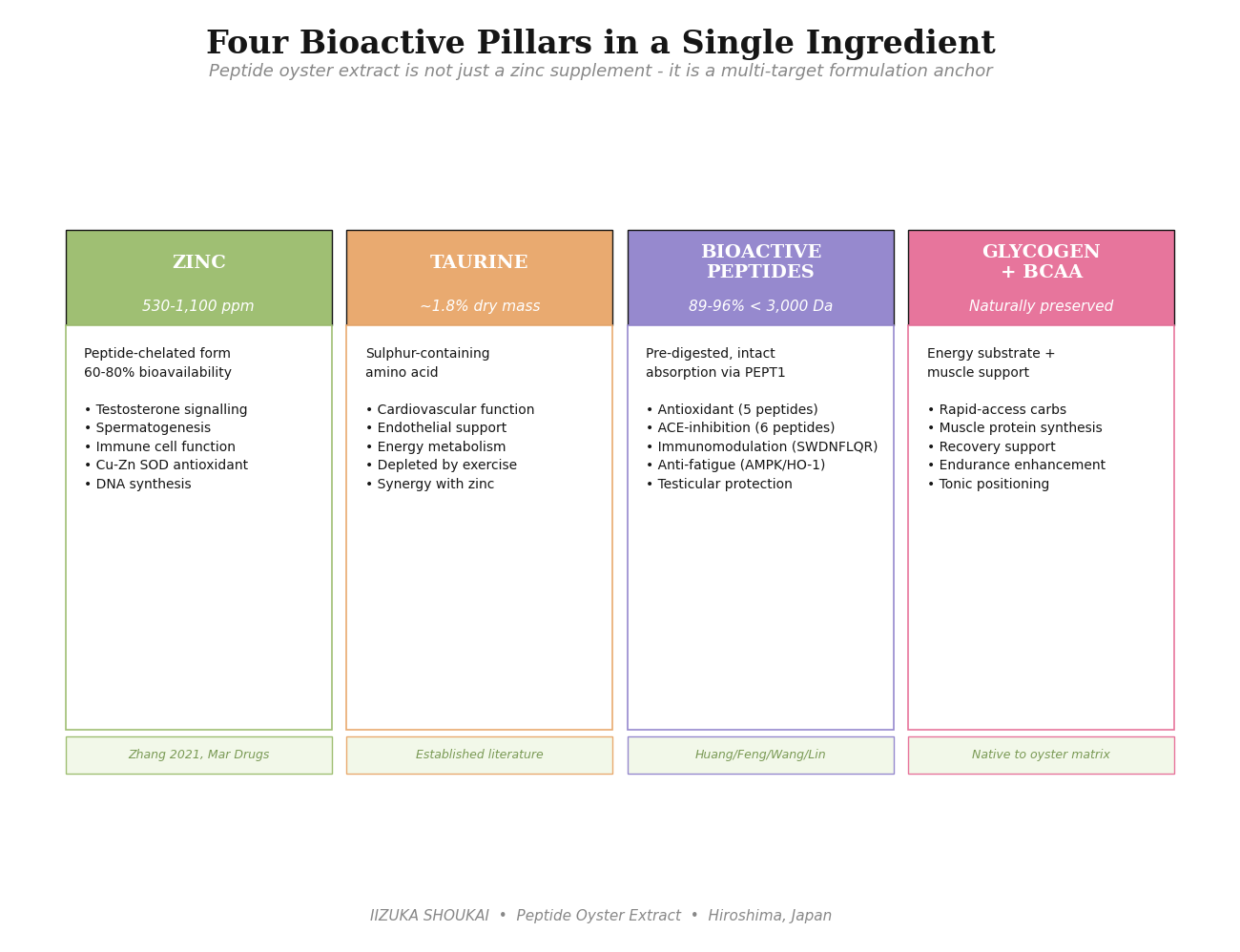
Pillar 1 - Bioavailable zinc. 530-1,100 ppm depending on variant, naturally chelated to peptide fragments through the hydrolysis process. The peptide-chelated form delivers approximately 60-80 percent absorption, compared to 30-50 percent for whole oyster powder. The biological effects of the absorbed zinc include testosterone signalling support, immune cell function, antioxidant defence, and DNA synthesis. Peer-reviewed work in Marine Drugs documented protective effects of oyster peptides on testicular function and sperm quality in mouse models, with restoration of hormone levels and oxidative defence enzymes (SOD, GSH-Px) through the Nrf2/HO-1 pathway (Zhang et al. 2021, Mar Drugs).
Pillar 2 - Taurine. Approximately 1.8 percent of the dry mass. A sulphur-containing amino acid with documented cardiovascular and energy metabolism roles. Supports endothelial function and is depleted by intense physical activity, making it a relevant component for anti-fatigue and sports recovery formulations. Taurine also synergizes with the zinc payload in cardiovascular and immune contexts.
Pillar 3 - Bioactive peptides beyond mineral delivery. Over 89 percent of protein content is fragmented into peptides under 3,000 Da. Independent research has characterized specific oyster peptides with measurable biological activities. Five antioxidant peptides (652-943 Da) with activity comparable to glutathione and vitamin C in DPPH assays (Huang et al. 2022, Food Sci Nutr). Six angiotensin-converting enzyme inhibitory peptides (WIS, WLS, LSL, SGPF, LGPI, IGLP) with nanomolar IC50 values - the most active demonstrating IC50 of 107.17 nM (Feng et al. 2022, Food Chem). An immunomodulatory octapeptide (SWDNFLQR) demonstrated to activate Toll-like receptors and the PI3K-Akt signalling pathway in macrophage cells (Wang et al. 2026, Food Chem X). A controlled mouse study demonstrated significantly extended swimming endurance with oyster peptide supplementation, with mechanistic data implicating AMPK and HO-1 signalling pathways (Lin et al. 2024, J Am Nutr Assoc).
Pillar 4 - Glycogen and BCAA. Naturally present in the oyster meat substrate and preserved through the gentle enzymatic process. Glycogen provides rapid-access carbohydrate energy substrate; branched-chain amino acids support muscle protein synthesis and recovery. The combination of peptide, glycogen and taurine in a single ingredient is the structural basis for the traditional positioning of oyster extract as a fatigue-recovery and tonic ingredient.
The cumulative effect is that peptide-hydrolyzed oyster extract is not just a zinc supplement - it is a multi-target ingredient that supports testosterone signalling, fatigue recovery, immune modulation, antioxidant defence and cardiovascular function through complementary mechanisms.
Fifty years of Japanese market validation
The category of concentrated oyster extracts for the supplement market emerged in Japan in the 1970s, when industrial drying and processing techniques made it feasible to produce shelf-stable concentrated oyster nutrients. Over the subsequent five decades, the category evolved from simple whole-meat powders toward enzymatically hydrolysed forms, with the Hiroshima pressure-enzyme methodology emerging as the highest-specification commercial process.
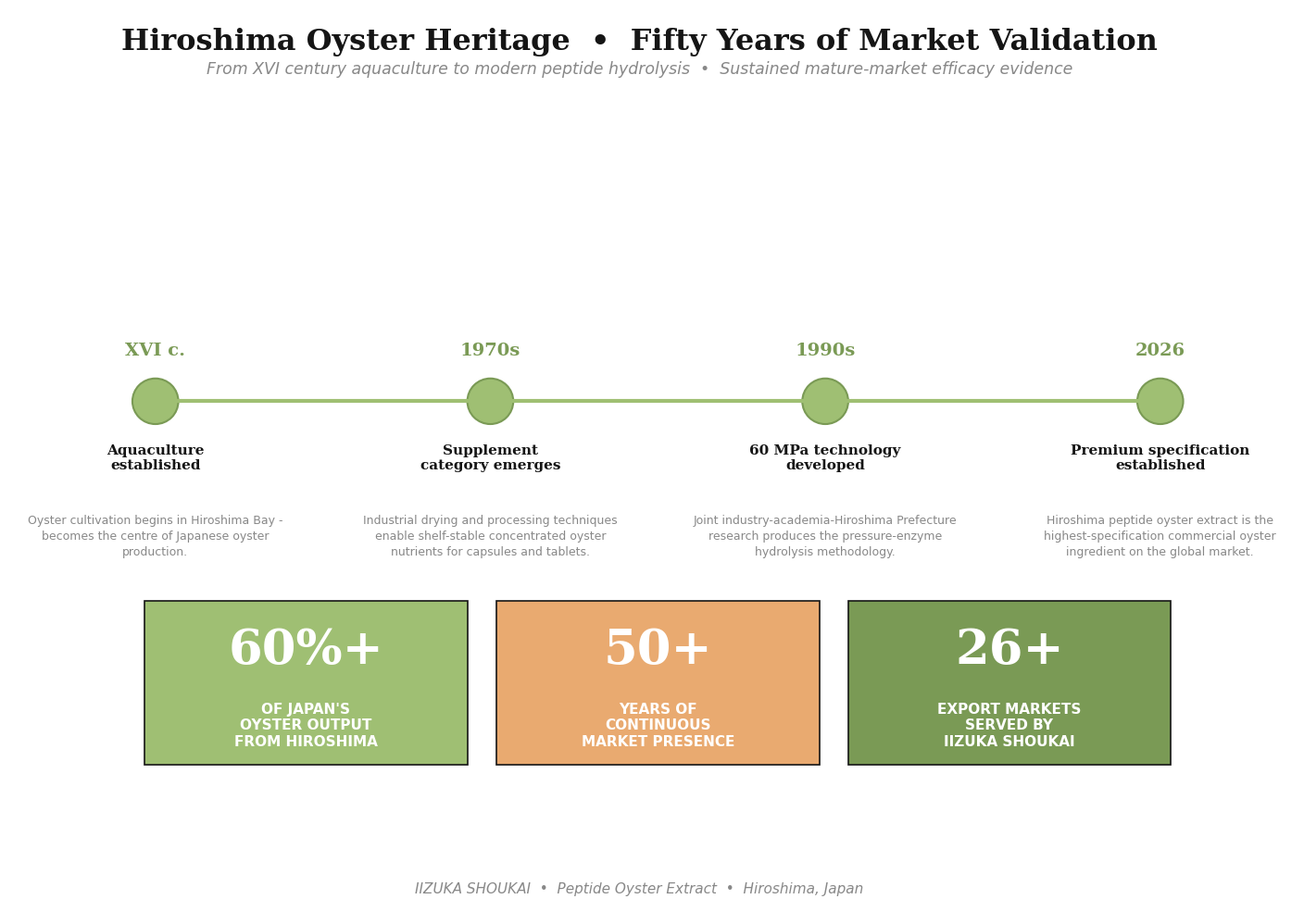
This 50-year continuous market history is itself a form of efficacy evidence. The Japanese supplement market is large, mature, and health-literate. Consumers in this market have access to extensive product information and to alternative ingredients across every category. Products that fail to deliver perceived value disappear quickly. The sustained presence of oyster extract in the Japanese men's health and anti-fatigue categories for half a century cannot be explained by marketing alone - it requires that the ingredient produce consumer-perceived effects strong enough to drive repeat purchase across multiple consumer generations.
For B2B procurement, this matters for two reasons. First, it provides a non-experimental basis for confidence in the ingredient's functional value, supplementing the formal clinical literature. Second, it provides a substantial reservoir of consumer education and category awareness that brands entering the category can leverage in marketing development.
Procurement specification - what to ask any supplier
For R&D and procurement teams evaluating oyster extract ingredients across suppliers, the following questions separate genuine peptide hydrolysates from commodity whole-meat powders sold under similar names.
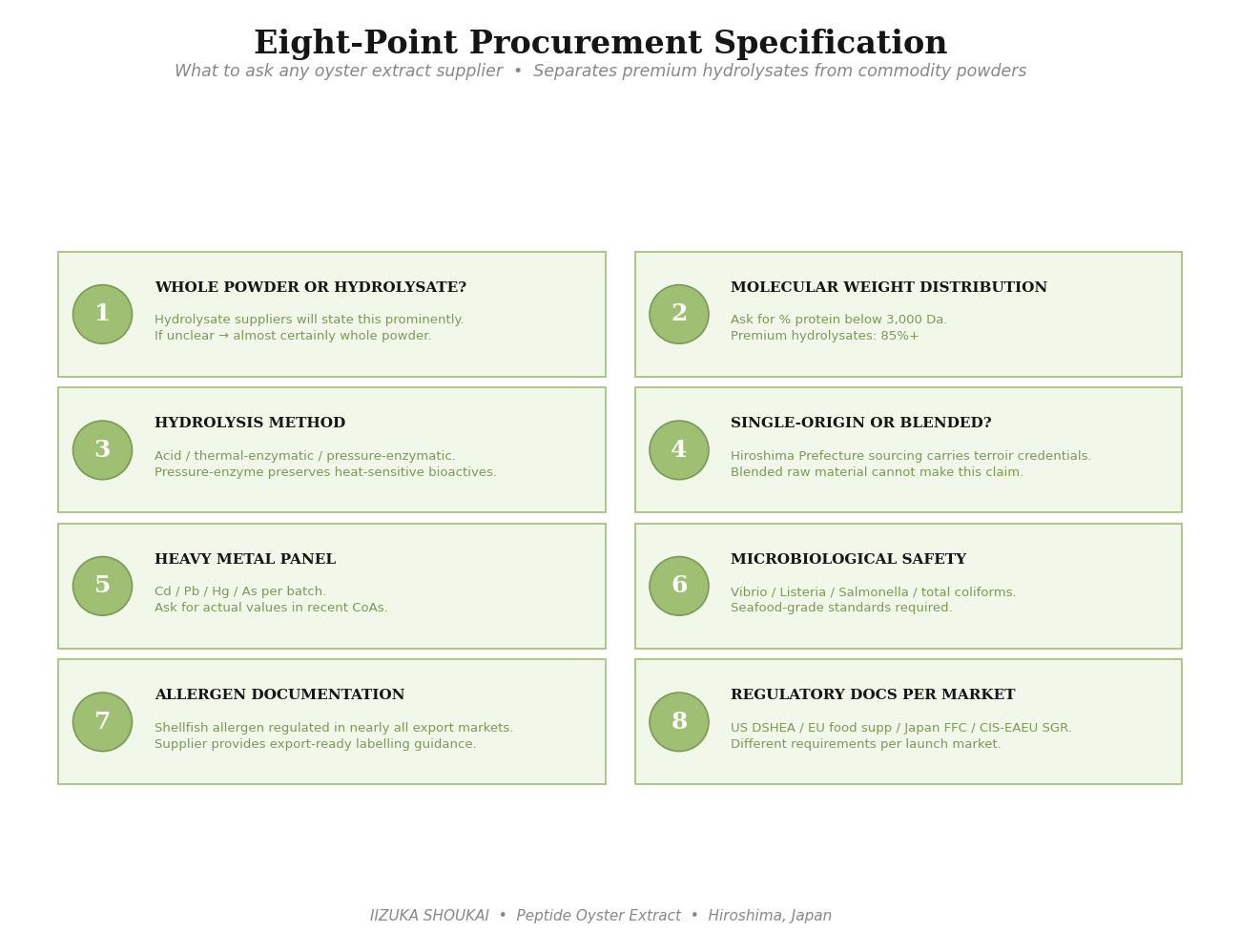
- Is the product whole oyster powder or an enzymatic hydrolysate? If the supplier cannot answer this clearly, the product is almost certainly whole powder. Hydrolysate suppliers will state this prominently.
- What is the molecular weight distribution? Ask for the percentage of protein below 3,000 daltons. Premium peptide hydrolysates deliver 85 percent or higher. Lower numbers indicate either incomplete hydrolysis or significant retention of non-peptide protein.
- What hydrolysis method is used? Acid hydrolysis (lowest cost, destroys many bioactives), simple thermal-enzymatic (moderate cost, partial bioactivity), or pressure-enzymatic (higher cost, best preservation of heat-sensitive compounds).
- Single-origin or blended raw material? Hiroshima Prefecture oysters carry specific terroir credentials; blended raw material from multiple geographies cannot make this claim. For premium positioning, single-origin matters.
- Heavy metal panel. Oysters concentrate environmental contaminants - cadmium, lead, mercury and arsenic must be verified per batch. Ask for the specific values in recent CoAs, not just compliance statements.
- Microbiological safety. Vibrio, Listeria, and total seafood-pathogen panel - mandatory for any shellfish-derived ingredient. Verify that the supplier tests to seafood-grade standards, not just general food-grade.
- Allergen declaration documentation. Shellfish is a regulated allergen in nearly all export markets; supplier should provide export-ready labelling guidance for each target jurisdiction.
- Regulatory documentation per target market. US dietary supplement, EU food supplement, Japan FFC, CIS / EAEU SGR registration paths have different requirements. Confirm the supplier has documentation appropriate to your launch markets.
Regulatory landscape across major export markets
Peptide oyster extract is generally permitted as a food or dietary supplement ingredient in major export markets, with significant variation in regulatory requirements and one absolute market restriction worth disclosing in B2B sales conversations.
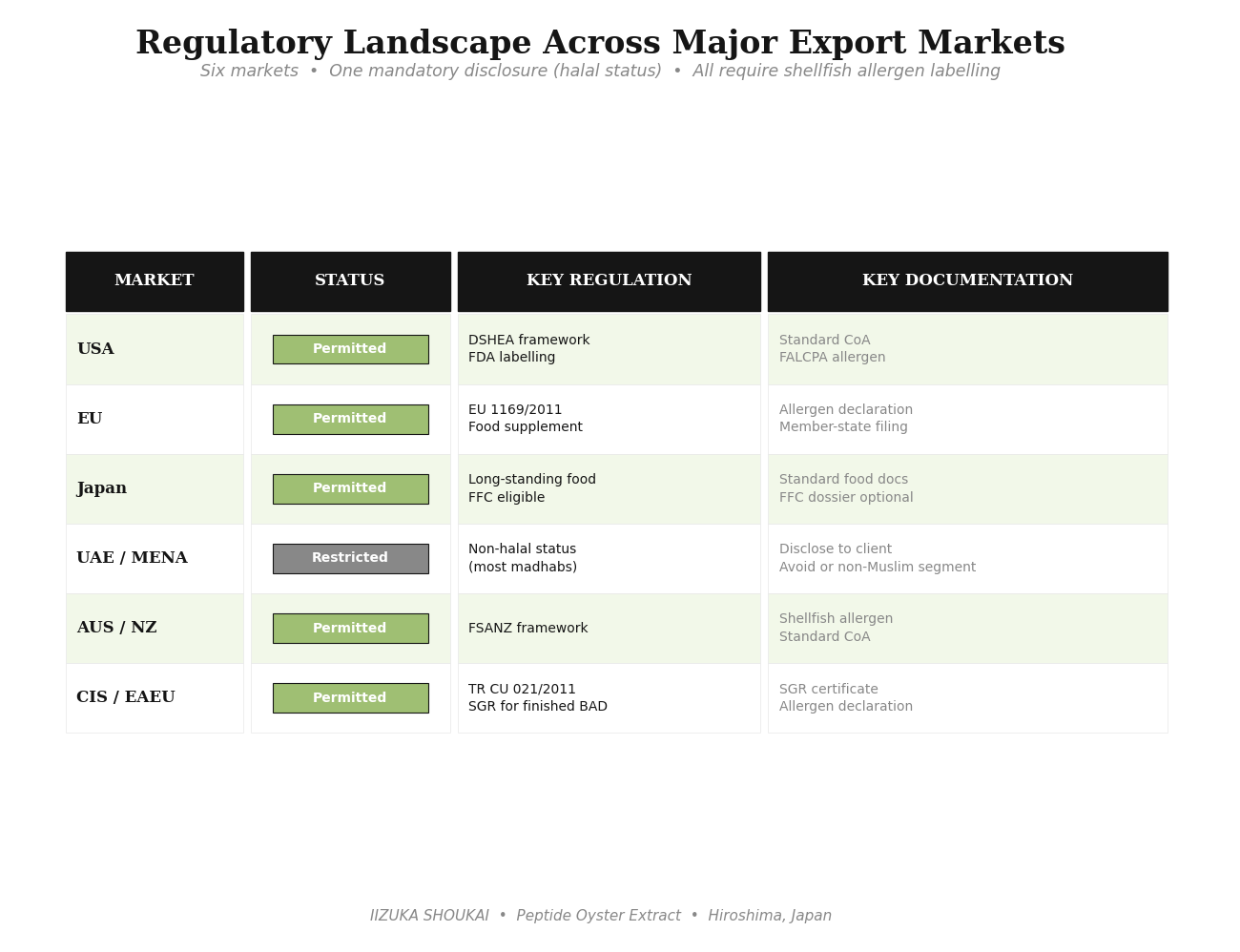
United States. Dietary supplement use under the DSHEA framework. No special pre-market approval required for the ingredient itself. Standard FDA labelling and CGMP requirements apply. Shellfish allergen declaration mandatory under FALCPA.
European Union. Food supplement use permitted under existing EU framework. Mandatory shellfish allergen declaration under EU Regulation 1169/2011. Standard food supplement regulations apply at member-state level.
Japan. Long-standing food use, eligible for Foods with Function Claims (FFC) registration with appropriate evidence dossier. The most established regulatory market for the ingredient.
UAE and broader MENA markets. Oyster is classified as a non-halal shellfish under most major madhabs. This is a fundamental market restriction that should be disclosed transparently in B2B sales conversations. Brand owners targeting MENA markets must either avoid the ingredient entirely or position the product for non-Muslim consumer segments where the halal restriction does not apply.
Australia and New Zealand. Permitted under FSANZ framework. Standard shellfish allergen labelling required.
CIS and EAEU. Technical Regulation TR CU 021/2011 applies. SGR (State Registration Certificate) required for finished supplement products. The ingredient itself is well-established in the regional market.
For any export-facing supplier, batch-specific Certificate of Analysis, heavy metal panel, microbiological safety verification and export-ready allergen documentation are minimum requirements.
Stacking and formulation strategy
Peptide oyster extract is rarely formulated as a single-ingredient product. The most effective formulation strategies position it as the core differentiated ingredient in a stack that addresses a specific functional target.
Men's vitality stack (4 capsules per day): Peptide oyster extract (400 mg) + maca extract (500 mg) + supplemental zinc bisglycinate (5 mg) + vitamin B6 (10 mg) + selenium (50 mcg). The oyster extract provides bioavailable zinc and peptide bioactivities; maca contributes the testosterone and libido folk-positioning; supplemental zinc and selenium reinforce the antioxidant and reproductive endocrine targets.
Sports recovery stick (1 stick per day): Peptide oyster extract (500 mg) + Salmon Anserine (200 mg, for lactate buffering and pre-workout positioning) + Fish Collagen Tripeptide (5 g, for connective tissue support) + magnesium (200 mg) + vitamin B complex. Complete post-exercise stack covering ATP regeneration, lactate clearance, connective tissue recovery and electrolyte replenishment.
Daily energy and immune capsule (2 capsules per day): Peptide oyster extract (300 mg) + ginseng extract (200 mg) + vitamin C (100 mg) + supplemental zinc citrate (5 mg). Positioned for daily wellness and seasonal immune support categories.
In each formulation, the peptide oyster extract serves as the bioavailable mineral and peptide bioactivity anchor, with other ingredients providing complementary functional vectors and consumer-recognizable marketing components.
Closing - the right question to ask
The headline procurement question - how much zinc per gram - is the wrong question. The right question is how much bioavailable functional payload reaches the consumer's circulation and target tissues. For men's vitality, anti-fatigue, sports recovery and any premium-positioned oyster supplement category, peptide-hydrolyzed oyster extract delivers a fundamentally different functional profile than whole oyster powder, despite often appearing lower on the simple zinc-per-gram metric.
The differentiation matters most for brands competing in the premium tier. Whole oyster powder competes effectively in the value tier, where the simplicity of more zinc per gram can be marketed directly. In any category where formulators must support evidence-based efficacy claims, manage consumer-perceived results, and compete on rapid functional onset, peptide-hydrolyzed extract is the appropriate specification.
Iizuka Shoukai supplies Hiroshima-origin peptide-hydrolyzed oyster extract to formulators and brand owners in over 26 markets globally. The standard SKU is 280 USD per kg at 10 kg minimum order, with batch-specific Certificate of Analysis and full export documentation. To request a sample, a current quotation, or technical documentation for evaluation, contact iizuka.shoukai@gmail.com or visit the Peptide Oyster Extract product page for full specifications.