The oyster supplement market is saturated with whole-meat powders sold on a single metric: milligrams of zinc per gram. R&D teams formulating men's vitality, anti-fatigue and energy supplements increasingly recognise the limitation of this metric - raw zinc concentration in the powder is not the same as zinc delivered to the bloodstream and absorbed by target tissues. A peptide-hydrolyzed extract with lower stated zinc content can outperform a high-zinc whole-meat powder if the zinc is in a bioavailable peptide-chelated form rather than bound in intact protein matrix.
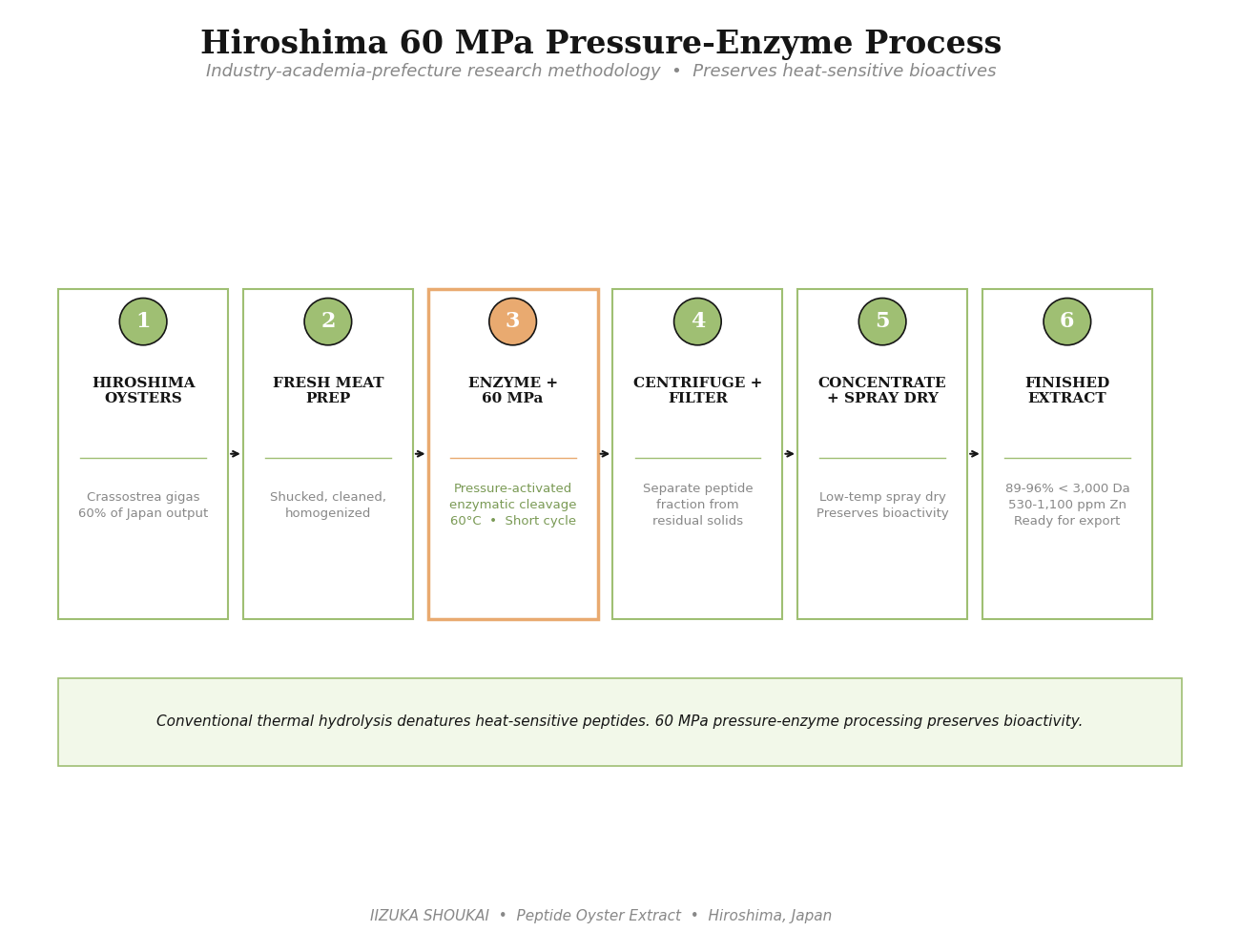
Peptide Oyster Extract Powder solves this through a fundamentally different specification - not just oyster powder, but a controlled pressure-enzyme hydrolysate. The proprietary 60 MPa (approximately 600 atmospheres - equivalent to the pressure at 6,000 metres deep-sea depth) enzymatic hydrolysis process developed through joint industry-academia-Hiroshima Prefecture research selectively cleaves oyster proteins into bioactive peptides while preserving zinc, taurine, glycogen and BCAA in their most absorbable forms.
Manufactured in Hiroshima Prefecture, Japan, using oysters from the prefecture's centuries-old aquaculture tradition. The standard powder format is spray-dried from the primary liquid extract and is the workhorse SKU for capsules, tablets, sticks, beverages and powder blends. Iizuka Shoukai supplies this ingredient export-ready to B2B clients in 26+ markets globally.
Most oyster supplements on the global market are sold as freeze-dried or spray-dried whole oyster meat - essentially powdered oyster with all of its protein still intact in its natural matrix. The problem with this format is bioavailability. Raw oyster powder contains zinc, but the zinc is bound within a high-molecular-weight protein matrix that requires extensive enzymatic breakdown in the digestive tract before the minerals and bioactive compounds can be absorbed. For consumers with normal digestive function, much of the bioactive payload passes through without being utilised.
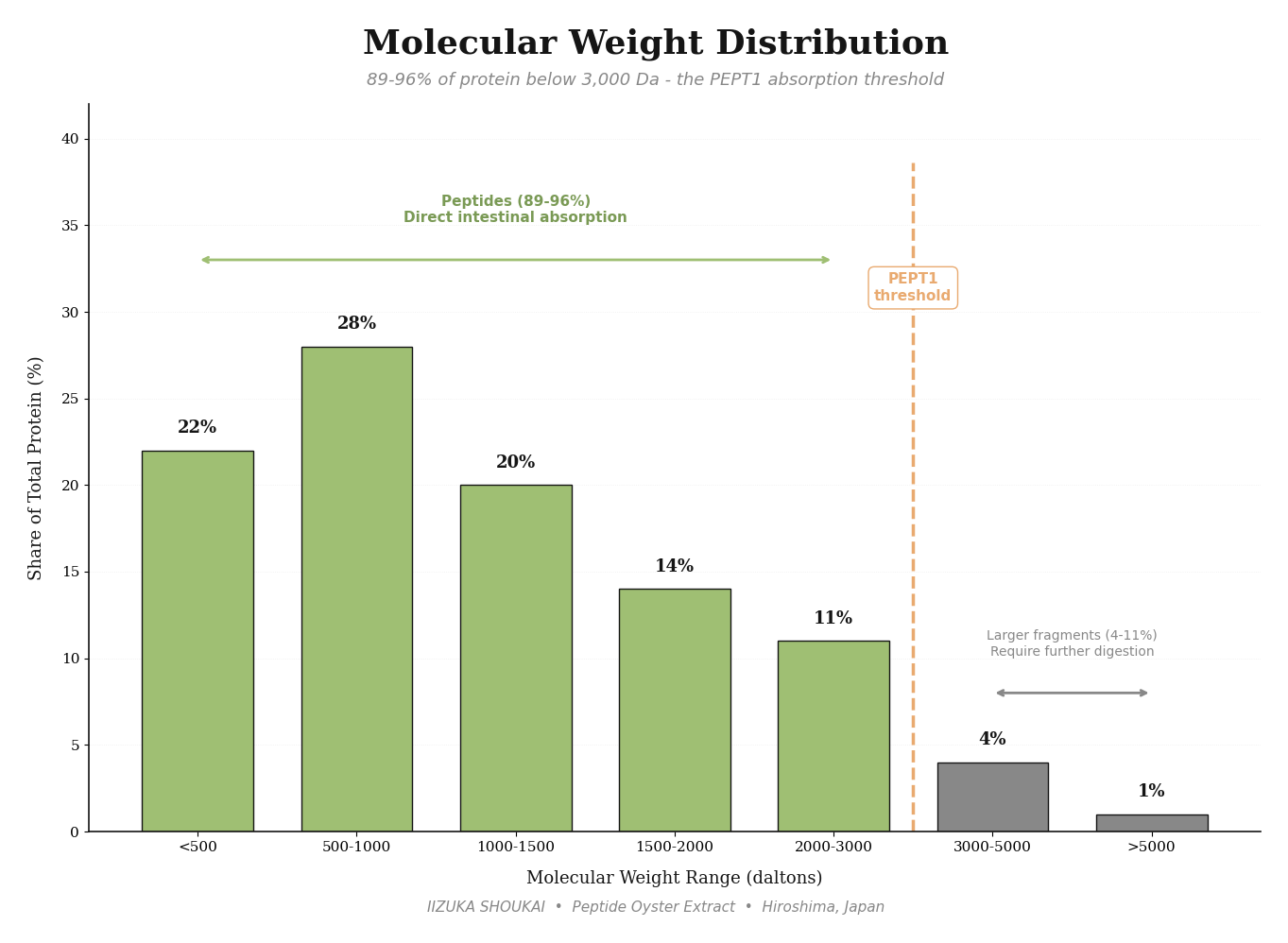
Peptide Oyster Extract Powder is pre-digested at the manufacturing stage through controlled enzymatic hydrolysis under pressure. The result is a finished material in which 89 to 96 percent of the protein content is fragmented into peptides under 3,000 daltons - small enough to be absorbed intact through the intestinal wall, with their associated zinc, taurine and other bioactive compounds delivered directly to circulation rather than fragmenting unpredictably during digestion.
This translates into measurable functional advantages over whole oyster meat powder at the cellular level. In comparative testing, this extract produces stronger ATP regeneration than equivalent doses of standard oyster powder, indicating more efficient delivery of the underlying anti-fatigue compounds. cGMP-PDE inhibitory activity - the mechanism behind oyster's traditional reputation for men's vascular and reproductive function - is similarly enhanced compared to raw oyster powder.
The bioavailability advantage of peptide-form mineral delivery is now well-documented in peer-reviewed literature. A 2023 study in the Journal of Agricultural and Food Chemistry demonstrated that peptide-zinc chelates remain stable through gastric (78.5 percent retention) and intestinal (70.2 percent retention) digestion, then cross the intestinal epithelium through transcytosis - a transport mechanism that delivers more bioavailable zinc to circulation than inorganic zinc sulphate at the same dose (Wang et al. 2023, J Agric Food Chem). Earlier research in the Journal of Medicinal Food showed that collagen peptide-zinc nanoparticles outperformed both zinc gluconate and zinc sulphate in restoring zinc status in zinc-deficient rats (Guo et al. 2021, J Med Food). A 2023 review in Food Chemistry summarised the broader evidence base for metal-binding peptides as mineral delivery systems (Joshua Ashaolu et al. 2023, Food Chem).
For B2B formulators, this changes the procurement comparison. A product specified by zinc content alone (for example 1,500 mg zinc per 100 g of whole oyster powder) tells you only what is in the powder before digestion - not what reaches systemic circulation. A peptide hydrolysate with even half the raw zinc content can deliver substantially more bioavailable zinc to the consumer, supporting more confident efficacy claims and faster perceived results.
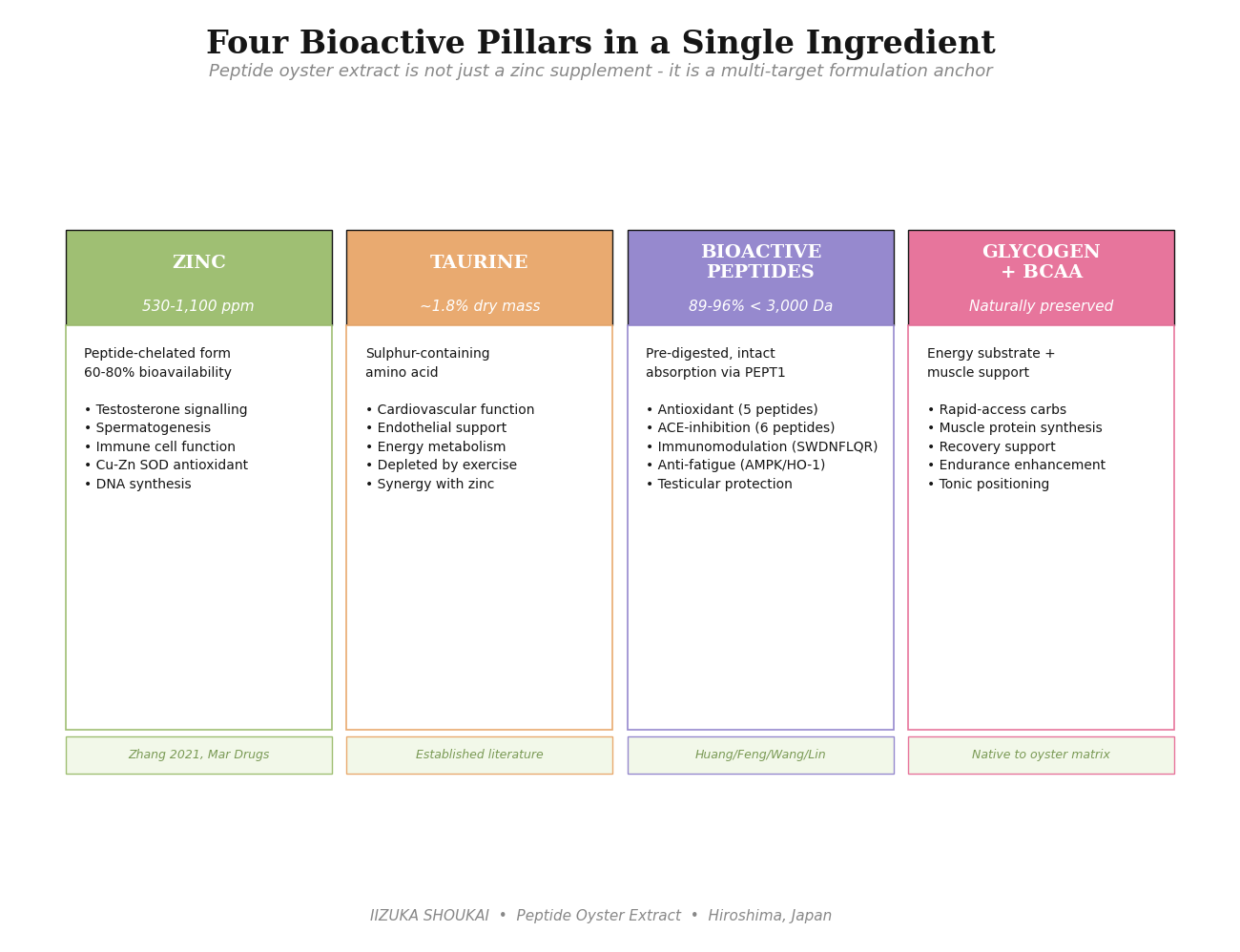
Zinc. 530 to 1,100 ppm - naturally chelated to peptide fragments through the hydrolysis process. Supports testosterone signalling, spermatogenesis, immune function and protein synthesis. Peer-reviewed work in Marine Drugs documented protective effects of oyster peptides on testicular function and sperm quality, with mice studies showing restoration of hormone levels and oxidative defence enzymes (SOD, GSH-Px) through the Nrf2/HO-1 pathway (Zhang et al. 2021, Mar Drugs).
Taurine. Approximately 1.8 percent of the dry mass. A sulphur-containing amino acid with documented cardiovascular and energy metabolism roles. Supports endothelial function and is depleted by intense physical activity, making it a relevant component for anti-fatigue and sports recovery formulations.
Bioactive peptides. Over 89 percent of protein is fragmented into peptides under 3,000 Da. Independent research has characterised oyster peptides with antioxidant activity (five peptides 652-943 Da in molecular weight, with activity comparable to glutathione and vitamin C Huang et al. 2022, Food Sci Nutr), angiotensin-converting enzyme inhibition (six novel ACE-inhibitory peptides identified with nanomolar IC50 values Feng et al. 2022, Food Chem), and immunomodulatory effects (an octapeptide SWDNFLQR activating Toll-like receptors and the PI3K-Akt signalling pathway Wang et al. 2026, Food Chem X). A controlled mouse study demonstrated significantly extended swimming endurance with oyster peptide supplementation, with mechanistic data implicating AMPK and HO-1 signalling pathways (Lin et al. 2024, J Am Nutr Assoc).
Glycogen and BCAA. Naturally present in the oyster meat substrate and preserved through the gentle enzymatic process. Glycogen provides rapid-access carbohydrate energy substrate; branched-chain amino acids support muscle protein synthesis and recovery. The combination of peptide, glycogen and taurine in a single ingredient is the basis for the traditional positioning of oyster extract as a fatigue-recovery and tonic ingredient in the Japanese market.
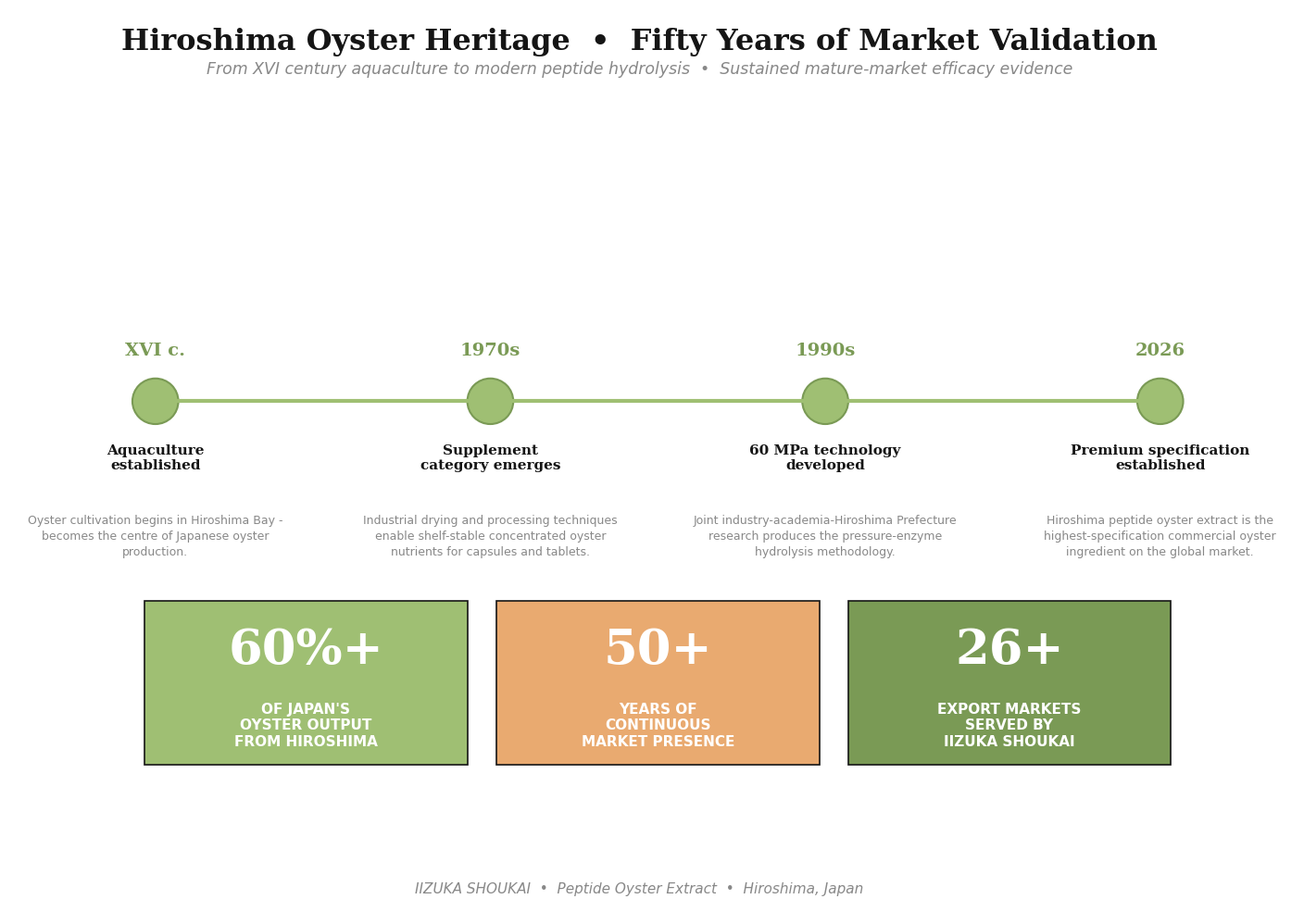
Hiroshima Prefecture has been the centre of oyster aquaculture in Japan since the sixteenth century. Today, the prefecture produces more than 60 percent of Japan's oysters, in waters specifically licensed and managed for shellfish cultivation. Oyster extract products derived from this terroir have been continuously sold on the Japanese supplement market for more than five decades - a mature category in which products without genuine functional value have been progressively eliminated through consumer experience.
This 50-year market validation is a form of efficacy evidence that no single clinical trial can replicate. When a category sustains consumer demand for half a century in a sophisticated, health-literate market, that fact carries information that complements - rather than substitutes for - the formal scientific literature.
Appearance: Off-white to pale brown powder.
Odour: Characteristic mild marine note. The pressure-enzyme process significantly reduces the strong seafood odour associated with raw oyster powder.
Taste: Mild umami with seafood character; readily masked in flavoured beverages, capsules and tablet formats.
Protein content: 89 to 96 percent under 3,000 Da molecular weight.
Zinc: 530 to 1,100 ppm.
Taurine: Approximately 1.8 percent.
Heavy metals: Within Japanese Food Sanitation Act limits; full Certificate of Analysis with each shipment.
Microbiological safety: Total plate count, coliforms, salmonella, Listeria and Vibrio screened to seafood-grade standards.
Allergen: Shellfish-derived; mandatory allergen declaration required in EU, USA, UK, Japan, Australia, New Zealand and most other markets.
Recommended daily intake is 300 to 500 mg of the powder for the primary functional targets - men's vitality, fatigue recovery, energy and immune support. Lower doses (100 to 200 mg) are appropriate for maintenance formulations or as a single component in multi-ingredient blends. The ingredient integrates into all common supplement formats: hard and soft capsules, tablets, sticks and sachets, beverages, beauty drinks, jellies, and powder blends.
Suggested formulation strategies:
Men's vitality stack (4 capsules per day): Peptide Oyster Extract (400 mg) + maca extract (500 mg) + zinc bisglycinate (5 mg supplemental) + vitamin B6 (10 mg) + selenium (50 mcg) - covers the testosterone signalling, spermatogenesis and metabolic energy pillars with the oyster extract providing the differentiated bioavailable mineral and peptide payload.
Sports recovery formula (1 stick per day): Peptide Oyster Extract (500 mg) + Salmon Anserine (200 mg) + Fish Collagen Tripeptide (5 g) + magnesium (200 mg) + vitamin B complex - a complete post-exercise stack combining ATP regeneration, lactate buffering, connective tissue support and electrolyte replenishment.
Daily energy and immune capsule (2 capsules per day): Peptide Oyster Extract (300 mg) + ginseng extract (200 mg) + vitamin C (100 mg) + zinc citrate (5 mg supplemental) - positioned for the daily wellness and seasonal immune support categories.
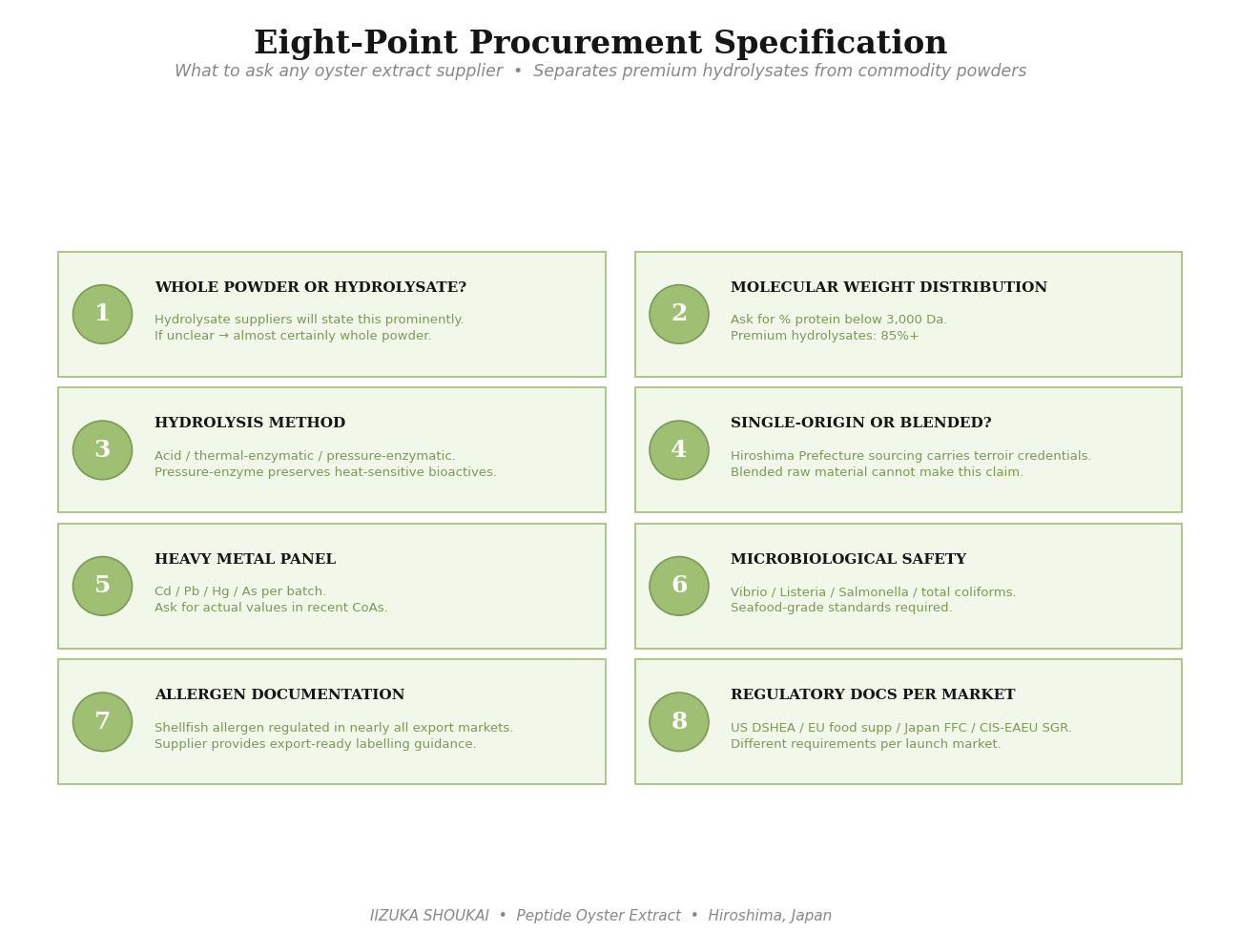
For procurement teams comparing oyster supplement ingredients across suppliers, the following questions separate genuine peptide hydrolysates from commodity whole-meat powders:
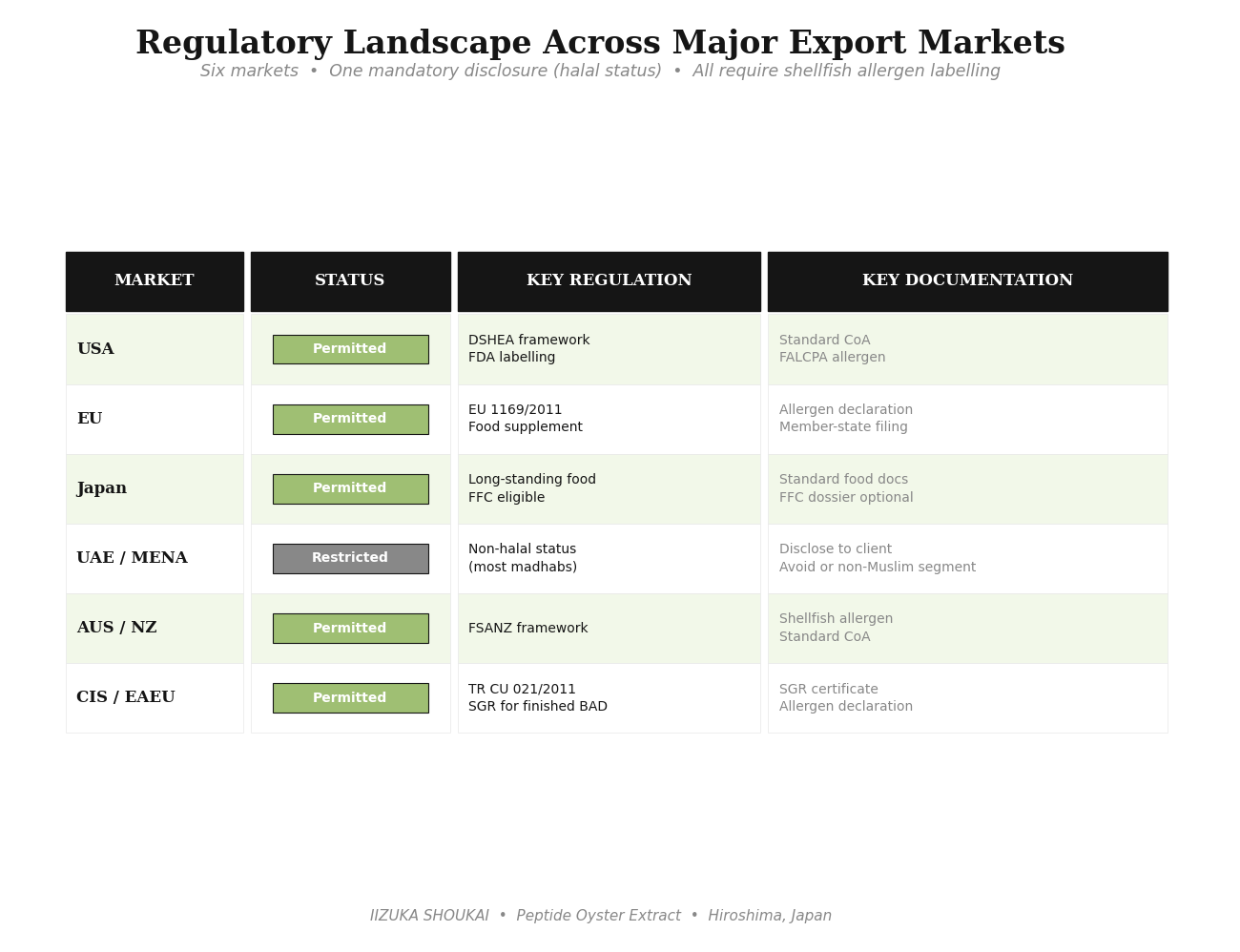
Peptide oyster extract is generally permitted as a food or dietary supplement ingredient in major export markets, with the following key considerations. United States: Dietary supplement use under DSHEA framework; no special pre-market approval required. European Union: Food supplement use permitted; mandatory shellfish allergen declaration under EU Regulation 1169/2011. Japan: Long-standing food use; eligible for Foods with Function Claims (FFC) registration with appropriate evidence dossier. UAE and broader MENA markets: Oyster is classified as a non-halal shellfish under most major madhabs; this is a fundamental market restriction that should be disclosed in B2B sales conversations. Australia / New Zealand: FSANZ permitted; standard shellfish allergen labelling required. CIS / EAEU: Technical Regulation TR CU 021/2011 applies; SGR (state registration certificate) required for finished supplements.
Peptide Oyster Extract Powder is manufactured in Hiroshima Prefecture, Japan, under ISO 22000 and FSSC 22000 food safety management systems. Standard packaging is 10 kg per kraft bag, with PE inner liner and 3-layer kraft outer construction. Shelf life is 24 months from production date in original sealed packaging. Iizuka Shoukai supplies this ingredient to formulators and brand owners in over 26 markets globally, with batch-specific Certificate of Analysis included with every shipment and direct manufacturer support for OEM and private-label projects.
Request a sample, current price quotation and full technical documentation - we ship export-ready from Takasaki, Gunma, Japan.
Oyster (Crassostrea gigas, also known as Pacific oyster or Japanese oyster) is a bivalve mollusc cultivated for food across the Pacific coast since at least the sixteenth century in Japan, with Hiroshima Prefecture emerging as the dominant production region in the modern era. Oyster meat is one of the most nutrient-dense foods in the human diet, with exceptional concentrations of zinc, taurine, glycogen, copper, iron, vitamin B12 and bioactive proteins.
The use of oyster as a functional supplement ingredient in Japan dates to the 1970s, when industrial processing techniques made it possible to produce shelf-stable concentrated forms of oyster nutrients for capsule and tablet applications. Initial products were simple freeze-dried or spray-dried whole oyster meat powders. Over the subsequent five decades, the category has evolved toward enzymatically hydrolysed forms that pre-digest the oyster protein into bioavailable peptides before consumption - dramatically increasing the effective delivery of zinc and other bioactive compounds while reducing the strong seafood organoleptic profile.
The supplement industry has historically marketed minerals by their concentration in the raw ingredient - milligrams of zinc per gram of powder, for example. This metric is useful but incomplete. What ultimately matters for the consumer is not how much zinc is in the powder, but how much zinc reaches systemic circulation and is delivered to target tissues. This is bioavailability, and it depends on the form in which the mineral is presented.
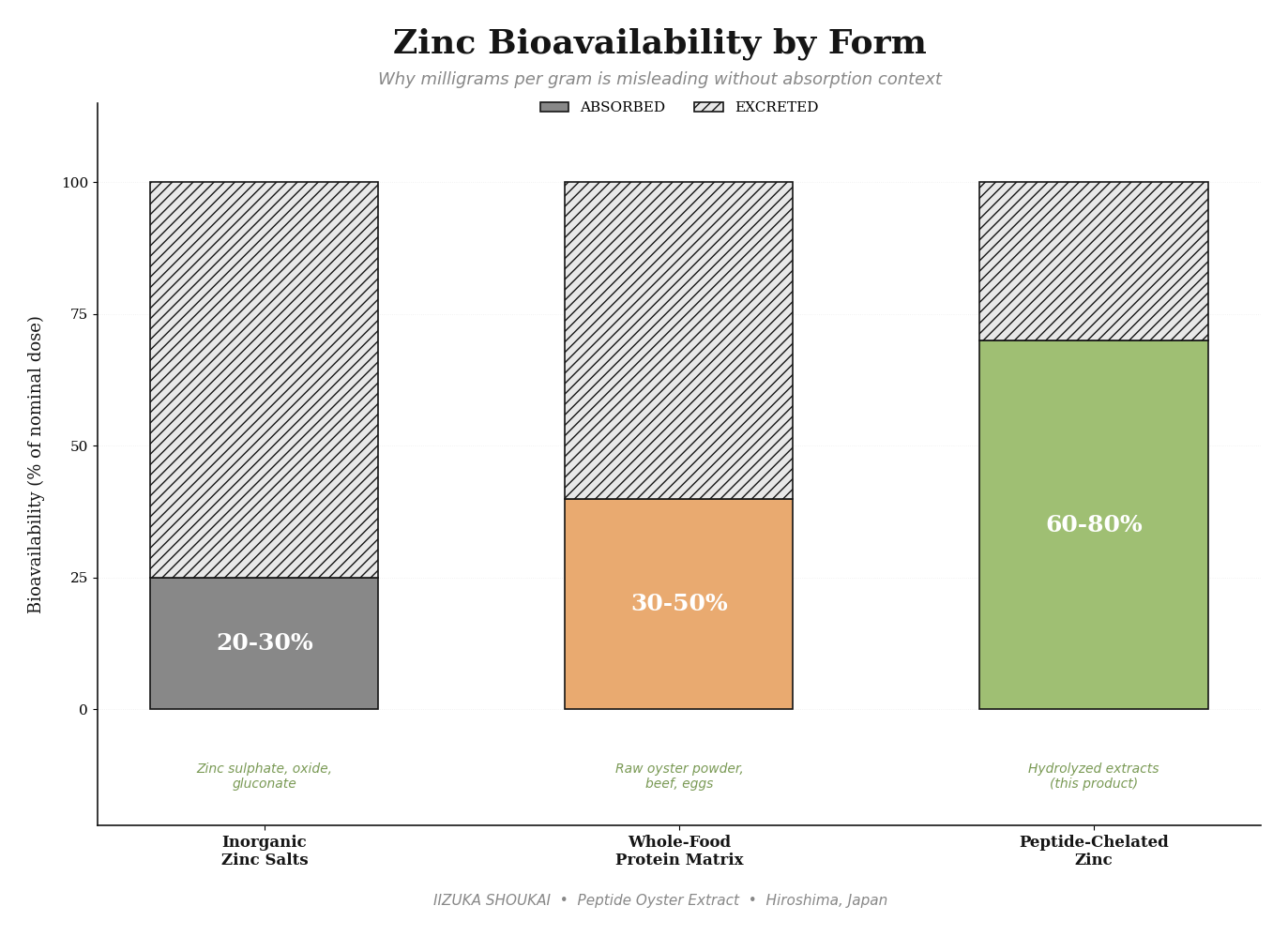
Inorganic zinc salts (zinc sulphate, zinc oxide, zinc gluconate) deliver approximately 20 to 30 percent of their nominal zinc content to circulation - the remainder is excreted unabsorbed. Zinc embedded in a whole-food protein matrix - such as raw oyster meat powder - typically achieves 30 to 50 percent absorption, with the upper bound depending on the proportion of phytates, oxalates and other absorption-inhibiting compounds in the matrix. Zinc complexed with short bioactive peptides - the form produced by enzymatic hydrolysis of oyster protein - has been shown in peer-reviewed studies to reach 60 to 80 percent absorption through transcytosis pathways that bypass conventional mineral absorption routes.
For a B2B procurement team, this means that comparing oyster supplement ingredients by zinc content alone is misleading. A peptide hydrolysate at 700 ppm zinc, with 70 percent absorption, delivers approximately 490 ppm absorbed zinc. A whole oyster meat powder at 1,500 ppm zinc, with 35 percent absorption, delivers approximately 525 ppm absorbed zinc - a much smaller difference than the raw numbers would suggest, and the gap closes further when peptide bioactivity beyond zinc delivery is considered.
Once consumed, peptide oyster extract operates through three primary mechanisms.
Mechanism 1 - Direct delivery of bioactive peptides through PEPT1 transporter. Di- and tripeptides up to approximately 3,000 daltons in molecular weight can be absorbed intact across the intestinal epithelium through the PEPT1 transporter, the same transporter responsible for dietary protein assimilation. Larger peptides must be broken down by brush-border enzymes before absorption, with associated loss of peptide-specific bioactivity. By starting from a peptide profile in which 89 to 96 percent of protein is already below the PEPT1 size cut-off, peptide oyster extract delivers more biologically active material to the bloodstream than equivalent doses of whole oyster meat.
Mechanism 2 - Peptide-chelated zinc transcytosis. Zinc bound to short peptides crosses the intestinal epithelium not as free zinc ion but as the intact peptide-zinc complex, through transcytosis pathways. Once delivered to tissues, the zinc is released for its biological roles - testosterone signalling, immune cell function, DNA synthesis, antioxidant enzyme support. This pathway is significantly more efficient than the absorption of free zinc ion from inorganic salts (Wang et al. 2023, J Agric Food Chem), (Guo et al. 2021, J Med Food).
Mechanism 3 - Specific peptide bioactivities beyond mineral delivery. Independent research has identified specific oyster-derived peptides with measured biological activities that extend beyond their role as mineral carriers. Five antioxidant peptides (652-943 Da) with activity comparable to glutathione and vitamin C (Huang et al. 2022, Food Sci Nutr). Six angiotensin-converting enzyme inhibitory peptides with nanomolar IC50 values (Feng et al. 2022, Food Chem). An immunomodulatory octapeptide that activates Toll-like receptors while controlling excessive NF-kappa-B signalling (Wang et al. 2026, Food Chem X). These peptide-specific bioactivities are preserved by enzymatic hydrolysis and lost when intact oyster protein is consumed without prior breakdown.
The choice between whole oyster powder and peptide oyster extract represents a fundamental trade-off in supplement formulation strategy.
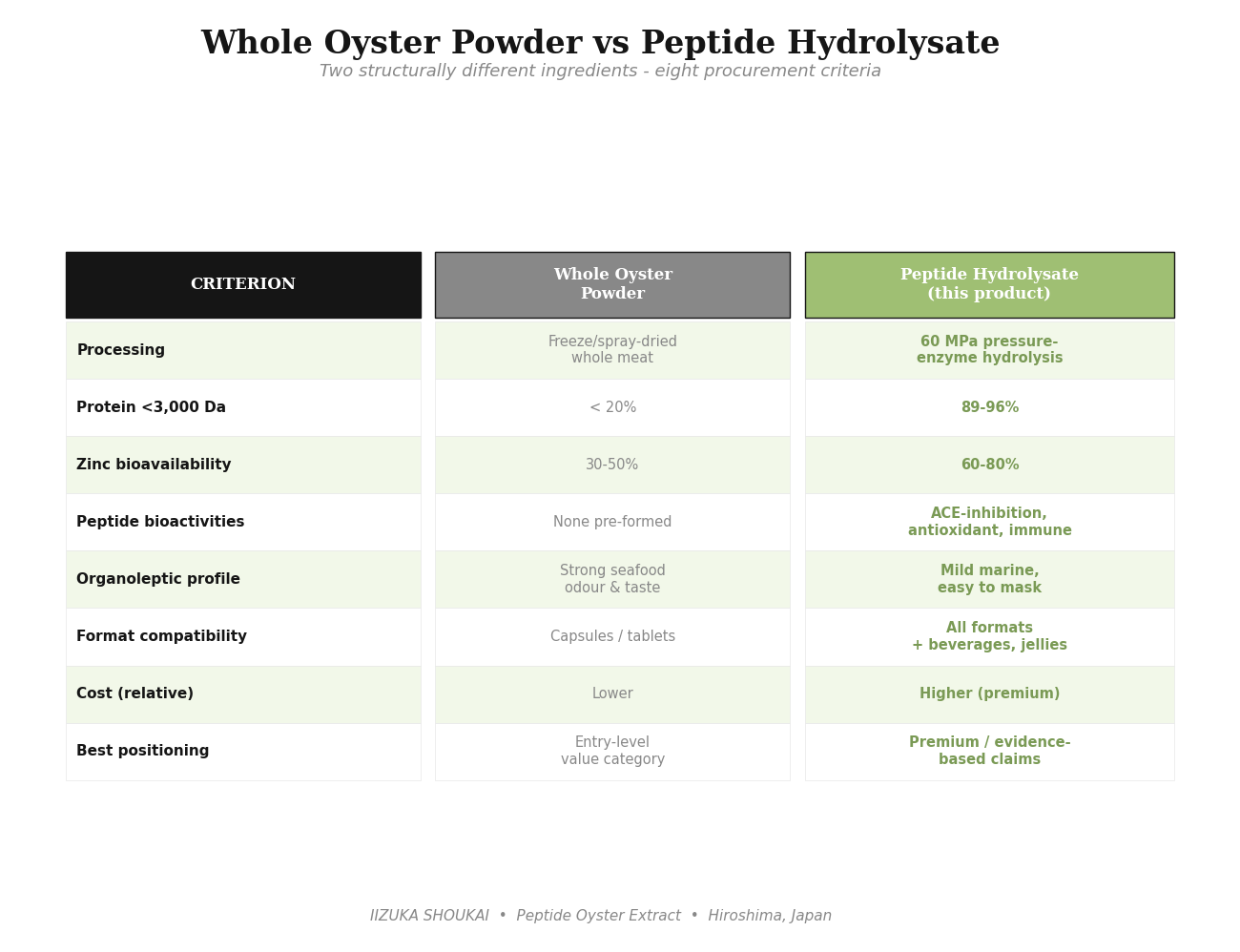
Whole oyster powder retains the complete nutritional profile of fresh oyster meat in dehydrated form. It offers a clean-label position (single ingredient, minimal processing), lower per-kilogram cost, and slower digestive absorption that may suit certain meal-replacement or sustained-energy positioning. The trade-offs are lower bioavailability of zinc and other minerals, retained strong seafood odour and taste that constrain consumer formats, and the absence of pre-digested peptide bioactivities.
Peptide oyster extract pre-digests the protein matrix through controlled enzymatic hydrolysis, producing a finished material that is fundamentally different from raw powder. The peptide fraction below 3,000 daltons is dramatically enriched (89 to 96 percent versus typically less than 20 percent in raw powder), zinc and other minerals are presented in peptide-chelated form for enhanced absorption, and the organoleptic profile is significantly improved. The trade-off is higher per-kilogram cost - the result of substantially more complex manufacturing.
For premium positioning, evidence-based marketing claims, men's vitality formulations and any product where bioavailability and rapid functional onset are key differentiators, peptide oyster extract is the appropriate specification. Whole oyster powder remains a valid choice for entry-level positioning where cost takes precedence over bioavailability.
The global oyster supplement market is mature and stable, with the largest concentrations of consumers in Japan, South Korea, Taiwan and increasingly in Western markets where men's vitality and adaptogenic wellness categories are expanding. Japan remains the technical leader in oyster extract processing, with the pressure-enzyme hydrolysis methodology developed in Hiroshima Prefecture representing the highest specification commercially available.
Demand drivers include continued growth in the men's health supplement category (testosterone, fertility and vitality positioning), expansion of sports nutrition and recovery products, the broader bioavailability movement in supplement formulation (favouring peptide-form mineral delivery over inorganic salts), and increased consumer interest in marine and seafood-derived functional ingredients within the clean-label premium segment.
The safety profile of peptide oyster extract is established through both the long history of oyster consumption as food (centuries of human dietary use without safety concerns at normal intake levels) and the documented manufacturer safety battery for the specific processed ingredient. Acute oral toxicity testing established LD50 above 2,000 mg/kg in animal models. A 28-day repeat-dose oral toxicity study at 1,000 mg/kg/day produced no adverse effects. Bacterial reverse mutation (Ames) assay was negative. Manufacturing is conducted under ISO 22000 and FSSC 22000 food safety management systems, with each production batch tested for heavy metals (cadmium, lead, mercury, arsenic - critical for any shellfish-derived ingredient), microbiological safety (vibrio, listeria, salmonella, total coliforms) and organoleptic conformance.
Allergen status: oyster is a regulated shellfish allergen in essentially all export markets, including USA, EU, UK, Japan, Australia, New Zealand and most others. Mandatory allergen declaration on finished product labels is required across these jurisdictions. Brand owners should also consider potential cross-reactivity with other shellfish allergens (crustaceans, other molluscs) in their formulation safety review.
【1】 Pressure-enzyme hydrolysis of Pacific oyster (Crassostrea gigas) at 60 MPa generates a peptide fraction with 89 to 96 percent of protein below 3,000 daltons. Independent ATP regeneration testing shows greater fatigue-recovery activity than equivalent doses of standard whole oyster powder. cGMP-PDE inhibitory activity is also higher than raw oyster powder, supporting the traditional Japanese positioning of oyster extract for men's vascular function and reproductive health.
【2】 Casein-derived peptide-zinc chelate (TEDELQDKIHP-Zn) demonstrated 78.54 percent retention through simulated gastric digestion and 70.18 percent retention through intestinal digestion, with subsequent transepithelial transport via transcytosis. The peptide-zinc complex showed higher bioavailability than inorganic zinc sulphate in a Caco-2 model. Publication: Wang et al., Journal of Agricultural and Food Chemistry, 71(18): 6978-6986 (2023). DOI: 10.1021/acs.jafc.3c00001
【3】 Collagen peptide-zinc nanoparticles from pufferfish skin (CP-Zn) demonstrated superior zinc bioavailability compared to both zinc gluconate and zinc sulphate in zinc-deficient rats - establishing peptide-chelated zinc as the preferred bioavailable form for zinc supplementation. Publication: Guo et al., Journal of Medicinal Food, 24(9): 987-996 (2021). DOI: 10.1089/jmf.2021.K.0038
【4】 Oyster peptides (Crassostrea) significantly improved sperm count and motility in a mouse model of triptolide-induced testicular injury. Treatment with oyster peptides attenuated oxidative stress (reduced MDA, increased SOD and GSH-Px), restored serum hormone levels, and acted through upregulation of Nrf2, HO-1 and NQO1 expression. Publication: Zhang et al., Marine Drugs, 19(10): 566 (2021). DOI: 10.3390/md19100566
【5】 Oyster peptide supplementation significantly extended swimming endurance in a mouse exercise model, with increased glycogen and decreased blood urea nitrogen, lactate dehydrogenase and lactic acid. Mechanistic data implicated AMPK and HO-1 signalling pathways in the anti-fatigue effect, supported by molecular docking analyses showing hydrogen bond formation between oyster peptides and target proteins. Publication: Lin et al., Journal of the American Nutrition Association, 43(5): 437-451 (2024). DOI: 10.1080/27697061.2024.2306516
【6】 Five novel antioxidant peptides (652-943 Da) isolated from enzymatic hydrolysates of oyster (Crassostrea rivularis) protein. The most active peptide demonstrated DPPH radical scavenging IC50 of 21.75 mcg/mL and significant protection of Caco-2 cells against H2O2-induced oxidative damage - activity comparable to butylated hydroxytoluene, reduced glutathione and ascorbic acid. Publication: Huang et al., Food Science & Nutrition, 11(1): 261-273 (2022). DOI: 10.1002/fsn3.3058
【7】 Six novel angiotensin I-converting enzyme inhibitory peptides identified in oyster (Crassostrea gigas) protein hydrolysates: WIS, WLS, LSL, SGPF, LGPI and IGLP. The most active peptide (LSL) demonstrated IC50 of 107.17 nM. Publication: Feng et al., Food Chemistry, 379: 132160 (2022). DOI: 10.1016/j.foodchem.2022.132160
【8】 Octapeptide SWDNFLQR isolated from papain-hydrolysed oyster extracts demonstrated dual immunomodulatory effects in RAW264.7 macrophage cells: enhanced proliferation, phagocytosis, and secretion of NO, TNF-alpha and IL-6 at lower concentrations, with controlled inhibition of NF-kappa-B pathway activation at higher concentrations - a pattern indicating stimulation of immune response while mitigating excessive inflammation. Publication: Wang et al., Food Chemistry: X, 34: 103684 (2026). DOI: 10.1016/j.fochx.2026.103684
【9】 Comprehensive review of metal-binding peptides and their role in improving the absorption and bioavailability of dietary minerals including zinc, calcium, iron and magnesium. Review documents the structural basis of mineral binding, the mechanisms of intestinal absorption of peptide-mineral complexes, and the comparative advantage of peptide-form mineral delivery over inorganic salts. Publication: Joshua Ashaolu et al., Food Chemistry, 428: 136678 (2023). DOI: 10.1016/j.foodchem.2023.136678

Whole oyster powder contains zinc and bioactive compounds bound in their original high-molecular-weight protein matrix - typically 30-50 percent of zinc reaches circulation due to incomplete enzymatic breakdown during digestion. Peptide oyster extract pre-digests this matrix at the manufacturing stage through 60 MPa pressure-enzyme hydrolysis, producing 89-96 percent peptides under 3,000 daltons. These peptides cross the intestinal wall intact via the PEPT1 transporter, delivering zinc in peptide-chelated form (60-80 percent absorption via transcytosis) along with preserved peptide-specific bioactivities. Peer-reviewed studies in J Agric Food Chem (2023) and J Med Food (2021) document the superior absorption of peptide-zinc complexes compared to inorganic zinc salts.
Iizuka Shoukai supplies Peptide Oyster Extract Powder at 280 USD/kg with MOQ of 10 kg, packaged in 10 kg kraft bags with PE inner liner. Sample quantities (50-100 g) are available free of charge for qualified inquiries with verified company information and R&D contact. Standard lead time is 4-6 weeks from order confirmation to FOB Japan for in-stock material. Manufacturing is conducted under ISO 22000 and FSSC 22000 food safety management systems in Hiroshima Prefecture; batch-specific Certificate of Analysis included with every shipment.
The recommended daily dose for primary functional targets (men's vitality, fatigue recovery, energy and immune support) is 300 to 500 mg of Peptide Oyster Extract Powder. Lower doses (100-200 mg) are appropriate for maintenance formulations or as a single component in multi-ingredient blends. The ingredient performs across all common supplement formats - hard capsules, tablets, sticks and sachets, beverages, jellies. For sports recovery applications, pair with Salmon Anserine for lactate buffering and Fish Collagen Tripeptide for connective tissue support to build a complete post-exercise stack.
Three vectors of differentiation. First, terroir: Hiroshima Prefecture has been the centre of Japanese oyster aquaculture since the sixteenth century, with strictly licensed cultivation waters and centuries of refined production methodology. Second, processing technology: the 60 MPa pressure-enzyme hydrolysis methodology was developed through joint industry-academia-Hiroshima Prefecture research and produces a peptide profile (89-96 percent under 3,000 Da) that commodity oyster powders cannot match. Third, regulatory and quality systems: ISO 22000 and FSSC 22000 certified manufacturing, batch-specific Certificate of Analysis, full traceability from licensed Hiroshima aquaculture sites to finished powder. Iizuka Shoukai supplies this ingredient export-ready to 26+ markets globally.


