100% prepayment by SWIFT or Stripe. Larger orders quoted by volume; freight quoted on request
Functional ingredient·
Non-calcinated shell calcium
·Japan

Scallop Shell Calcium Powder

A calcium carbonate powder made in Japan from 100% scallop shell. The shells are washed, sterilised, dried and milled, never calcined, giving a white powder with 38-40% calcium that passes 635 mesh. For calcium fortification of foods and supplements; MOQ 20 kg.
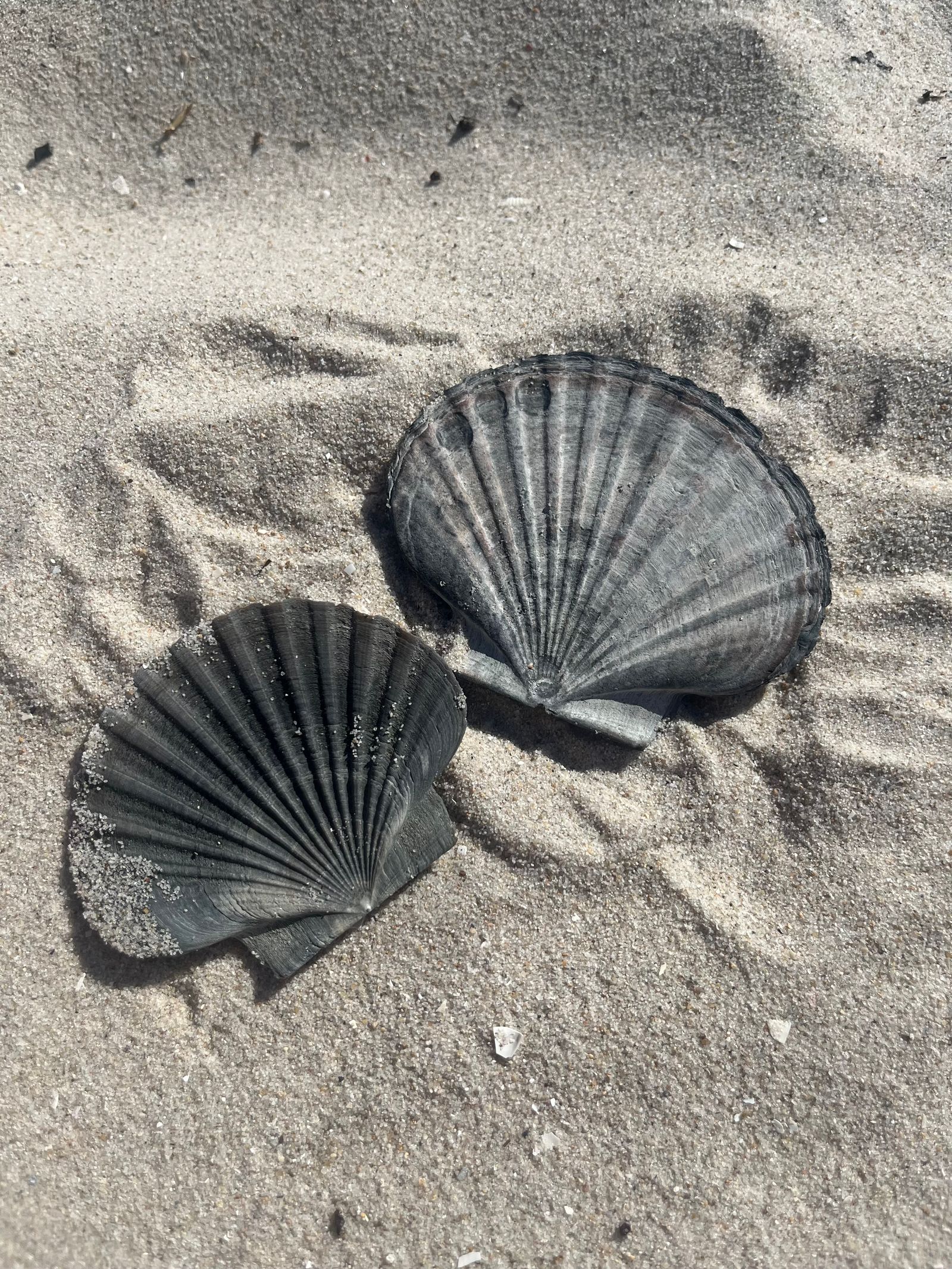
20 kg
Minimum order
14 USD/kg
MOQ price
100 g
Free sample
Ships from Japan 1-1.5 weeks after paymentFreight quoted on requestSWIFT or Stripe
Scallop Shell Calcium Powder
Specification · lot CoA

Key figures at a glance

Your lot's CoA governs
Calcium
38-40%
EDTA titration; analysis example 39.3%
Particle size
635 mesh
min. 99% pass; average about 3.7 µm
pH
8.5-10.5
10-fold dilution; not calcined
Heavy metals
max. 5 ppm
as Pb; arsenic max. 2 ppm as As₂O₃
Loss on drying
max. 1.0%
105 °C, atmospheric drying
Total plate count
max. 300 CFU/g
mould and yeast max. 30/g each; coliforms negative
Lot-specific values are measured and reported for every lot. Natural raw materials move with season and harvest, so we give you the figures of the lot you actually receive, not one fixed number.
What it is
Non-calcinated shell calcium: calcium carbonate (95% or more) from 100% scallop shell, Japan. Single raw material. The producer declares none of Japan's 28 listed allergens; of mollusc origin, not vegan
Form
White, odourless fine powder passing 635 mesh; practically insoluble in water. Intended use: calcium fortification of processed foods and supplements
Shelf life
2 years from production. Store indoors, away from direct sunlight and moisture
Packing
20 kg net in a kraft paper bag (3 kraft layers, polyethylene inner liner). MOQ 20 kg, one bag
Lead time
Ships from Japan 1-1.5 weeks after payment. Lot CoA with every shipment
Terms
100% prepayment by SWIFT or Stripe. Larger orders quoted by volume; freight quoted on request
Price and documents

Request a price, specification or sample

Tell us what you are developing and which documents you need. We reply from Japan within one working day with the product specification, SDS and the CoA of the current lot.

Free sample for registered companies developing a product
Volume quotation for orders above the minimum
Specification, SDS and lot CoA on request

Request a sample or quotation

All fields required. Business email only.
Process

How it is made

The producer's process chart runs in 16 steps from raw shell to labelled bag. Shells are washed, cleared of metal and foreign matter, sterilised in boiling water, dried and milled with air classification to 635 mesh. The hottest step is the dryer, with an inlet temperature of 210 °C; calcium carbonate itself decomposes only at about 825 °C.

Non-calcinated means the shell is never fired to lime. Calcination, for example at 1,000 °C in a published study, converts calcium carbonate into calcium oxide and, with moisture, calcium hydroxide, a strong alkali. This powder is only dried, so it stays calcium carbonate, with a pH of 8.5-10.5 in a 10-fold dilution.

Scallop shells

Step 1 · raw material

Scallop shell 100%, Japan

Washing

Step 2 · drum scrubber and trommel

Shells cleaned before inspection

Metal removal and inspection

Step 3 · magnet 37.5 mT or more

Visual check for foreign matter by operators

Boiling sterilisation

Step 4 · 95 °C or more, 30 min or more

Sterilisation tank

Drying

Step 5 · dryer inlet 210 °C

Dried, not calcined

Fine milling and air classification

Step 6 · vertical mill and separator

To 635 mesh fineness

Alcohol spray and screening

Step 7 · alcohol 0.1-1.0% v/w

Lumps broken up through a 0.8 mm screen

Packing and metal detection

Step 8 · 20 kg bags

Magnet 800 mT or more, filled to 20.00-20.20 kg, sealed and sewn, metal detector Fe and SUS 2.5 mm

Specification

Specification at a glance

The grade on this page. Other grades, where available, are specified on request.

Identity and composition

  • What it is: non-calcinated shell calcium, a calcium carbonate powder from scallop shell; made in Japan
  • Composition: scallop shell 100%
  • Raw material origin: Japan
  • Main component: calcium carbonate, 95% or more (CAS 471-34-1)
  • Allergens: none of the 28 allergens listed in Japan, per the producer's raw material declaration; scallop is a mollusc
  • GMO: not applicable, mineral raw material
  • BSE: not applicable
  • Pesticides: not used
  • Regulatory status in Japan: food additive under the Food Sanitation Act, used as a calcium fortifier in processed foods

Process and peptide profile

  • Process: washing, magnetic separation, visual inspection, boiling sterilisation (95 °C or more, 30 minutes or more), drying (inlet 210 °C), fine milling with air classification, alcohol spray, screening (0.8 mm), magnetic separation, packing, metal detection
  • Calcination: none; the hottest step in the process chart is the 210 °C dryer inlet
  • Processing aid: alcohol spray at 0.1-1.0% (v/w) of the product
  • Mineral form: calcium carbonate; reacts with acids and releases carbon dioxide; decomposes at about 825 °C (SDS)
  • Calcium per gram of powder: 380-400 mg (from the 38-40% specification)

Analytical specification

  • Appearance: white fine powder, odourless
  • Particle size: not less than 99% passes 635 mesh (wet sieving); average particle size about 3.7 µm (producer data, not a specification value)
  • Calcium: 38-40% (EDTA titration)
  • pH: 8.5-10.5 (electrode, 10-fold dilution)
  • Loss on drying: not more than 1.0% (atmospheric drying at 105 °C)
  • Solubility in water: slight, about 14 mg/L (SDS)
  • Relative density: 2.7-2.9 (SDS)
  • Nutrition per 100 g (analysis example): energy 5 kcal, protein 0.4 g, fat less than 0.1 g, carbohydrate 0.9 g, sodium 426 mg (salt equivalent 1.1 g), calcium 39.3 g

Contaminants, microbiology and safety

  • Heavy metals (as Pb): not more than 5 ppm (sodium sulfide colorimetric method)
  • Arsenic (as As₂O₃): not more than 2 ppm (DDTC-Ag method)
  • Total plate count: not more than 300 CFU/g
  • Coliforms: negative (BGLB)
  • Mould: not more than 30/g; yeast: not more than 30/g
  • Heat-resistant bacteria: not more than 30/g
  • Salmonella spp., Staphylococcus aureus, Vibrio parahaemolyticus: negative
  • Test frequency: heavy metals, arsenic and the three pathogens on a representative lot once a year; all other items on every lot
  • GHS: not classified for physical hazards; no pictogram, no signal word (SDS 2022)
  • Transport: not regulated as dangerous goods, no UN number

Shelf life, storage and packing

  • Shelf life: 2 years from production
  • Storage: indoors, away from direct sunlight and moisture
  • Packing: 20 kg net, kraft paper bag with 3 kraft layers and a polyethylene inner liner
  • Production lot: about 2,400 kg; the lot number encodes the production date
  • Retained sample: the producer keeps 200 g of every lot for 4 years
  • MOQ: 20 kg, one bag
  • Transport: ambient temperature
  • Documents: specification and SDS on request; lot CoA with every shipment
  • Samples: 100 g, free for registered companies developing a product
SPEC
Product specification, PDF. On request through the form.
CoA
Certificate of Analysis. One for every lot, ships with the goods.
SDS
Safety Data Sheet. On request through the form.

Example lot values are published in the developer's guide below. They are an example, not a specification; your lot's CoA governs.

Direct from Japan

Working with us

A Japanese trading company selling directly to brand owners and contract manufacturers. No distributor layer between you and the documents.

A CoA for the lot you receive

Every shipment travels with the Certificate of Analysis of its own lot, with the measured values and the full safety panel.

Start at the minimum order

A small first order lets you run a pilot batch before committing to bulk. Larger volumes are quoted by volume and delivery terms.

Free sample

For registered companies developing a product. Tell us the format you plan and we will say honestly what to expect.

Ships from Japan in 1-1.5 weeks

After payment is received. Freight quoted on request. Specification and SDS before you order, CoA with the goods.

Buyer's checklist

What to ask any supplier

If you are comparing ingredients for a new SKU, these questions separate one material from another quickly.

Is mollusc-derived material a declared allergen in your market?

The producer declares none of Japan's 28 listed allergens, but scallop is a mollusc. Australia lists mollusc as a mandatory allergen declaration; check how your label rules treat shell-derived calcium.

Does your market require halal certification?

The process includes an alcohol spray at 0.1-1.0% (v/w), and a halal certificate is not part of the current document set. For supplements in the UAE this decides whether the ingredient can be used.

Is the finished product positioned as vegan?

Scallop shell is of animal origin. The ingredient does not fit a vegan claim.

Is your format a liquid?

The powder is practically insoluble in water (about 14 mg/L). Drinks need a suspension system; tablets, capsules and powder blends do not.

Does the formula contain acids?

Calcium carbonate reacts with acids and releases carbon dioxide. Plan for it in acidic drinks, effervescent tablets and acidified foods.

Which calcium figure goes on your label?

The specification is 38-40% calcium. Formulate on the 38% minimum and let the lot CoA confirm each batch.

For product developers

The developer's guide

What each component is, what the processing changes, and what published research on the raw material has examined. No health claims; references on request.

Non-calcinated scallop shell calcium for food and supplement fortification

Shell calcium comes in two forms. Calcined shell calcium is fired until the calcium carbonate breaks down into calcium oxide. Non-calcinated shell calcium is cleaned, sterilised, dried and milled, and stays calcium carbonate. This powder is the second kind: 100% scallop shell from Japan, 38-40% calcium, milled so that at least 99% passes 635 mesh.

In Japan it is a food additive used for calcium fortification of processed foods under the Food Sanitation Act. For export buyers it is a marine-origin calcium carbonate raw material, documented by a specification and an SDS, with the producer testing every lot.

Where it fits in a formulation

  • Calcium density: 1 g of powder carries 380-400 mg of calcium. A label target of 300 mg calcium needs about 0.75-0.8 g of powder before excipients.
  • Fineness: at least 99% passes 635 mesh, a 20 µm sieve opening; the producer gives an average particle size of about 3.7 µm.
  • Solubility: practically insoluble in water. In drinks it needs a suspension system; in tablets, capsules, powder blends and baked or processed foods this is not a constraint.
  • pH and acids: pH 8.5-10.5 in a 10-fold dilution. Calcium carbonate reacts with acids and releases carbon dioxide, which matters in acidic drinks and effervescent formats.
  • Colour and odour: white and odourless.
  • Origin: scallop is a mollusc, so the ingredient is of animal origin and does not fit a vegan claim.

Supply

The producer packs the powder in 20 kg kraft paper bags with a polyethylene liner. We sell from one bag, 20 kg, at 14 USD/kg; larger volumes are quoted by volume and freight is quoted on request. Shelf life is 2 years from production.

Calcium carbonate from shell: what the shell is and what calcination changes

This section describes the material and the nutrient, not effects of this product. Sources are listed at the end.

What a scallop shell is made of

Scallop shells such as those of the Japanese scallop, Patinopecten (Mizuhopecten) yessoensis, are built mostly of a foliated layer of calcite, the stable crystal form of calcium carbonate. The mineral is laid down on a small organic matrix of acidic glycoproteins that controls crystal growth [1]. That matrix is why a shell powder still shows a trace of protein: 0.4 g per 100 g in the producer's nutrition analysis, against 39.3 g of calcium.

Calcined and non-calcinated shell calcium

Heat changes shell chemistry. Calcium carbonate decomposes at about 825 °C and releases carbon dioxide (SDS of this product). In a published study, scallop shell calcined at 1,000 °C was converted completely to calcium oxide and calcium hydroxide, and the calcined powder was studied as an antibacterial filler for biodegradable packaging plastics [2]. Calcined shell calcium is therefore a different material: a strong alkali that is handled differently. This powder is non-calcinated, its hottest process step is a 210 °C dryer inlet, and it is offered as a calcium source, not as an antibacterial agent.

Calcium as a nutrient

The following summarises the calcium fact sheet of the US National Institutes of Health Office of Dietary Supplements [3]. It describes the nutrient, not this product.

  • Elemental calcium: calcium carbonate is 40% calcium by weight, calcium citrate 21%. For any form, the elemental calcium per serving is the figure that matters on a label.
  • With food: absorption of calcium supplements is greater when they are taken with food. Calcium carbonate dissolves less well when stomach acid is low; citrate depends less on stomach acid.
  • Dose size: absorption from supplements is highest at doses of 500 mg or less; the body absorbs about 36% of a 300 mg dose and 28% of a 1,000 mg dose.
  • Reference intakes in the USA: the recommended dietary allowance for adults is 1,000-1,200 mg per day; the tolerable upper intake level is 2,500 mg for ages 19-50 and 2,000 mg from age 51. Other markets set their own reference values.
  • Tolerance: the fact sheet notes that calcium carbonate causes gastrointestinal effects such as gas, bloating and constipation more often than citrate.

Same substance, different source

Shell calcium is chemically calcium carbonate (CAS 471-34-1), the same substance as ground limestone or precipitated calcium carbonate. What differs between sources is the raw material, the trace composition and the processing history. For that reason a formulator compares lots on the specification: calcium content, heavy metals, arsenic, microbiology and particle size, all listed on this page.

Sources

  1. Molluscan shell protein 1 in the foliated calcite layer of the scallop Patinopecten yessoensis, Marine Biotechnology, 2001: DOI 10.1007/s10126-001-0013-6
  2. Thermally treated waste scallop shell in biobased polyester composites, ACS Applied Bio Materials, 2019: DOI 10.1021/acsabm.9b00205
  3. National Institutes of Health, Office of Dietary Supplements, Calcium Fact Sheet for Health Professionals: ods.od.nih.gov

Related ingredients from Iizuka Shoukai

Other calcium sources in our catalogue: Sesame Mineral Powder (Plant-Based Calcium), a water-soluble plant mineral in lactate form, and Akoya Pearl Powder, non-calcined nacre. Also in our range: Fish Collagen Tripeptide.
FAQ

Before you order

What is non-calcinated scallop shell calcium?

It is a calcium carbonate powder made from scallop shell that has been washed, sterilised in boiling water, dried and milled, but not fired. Calcined shell calcium is heated until the carbonate breaks down into calcium oxide; this powder skips that step and stays calcium carbonate, at 95% or more. Calcium content is 38-40%, pH 8.5-10.5 in a 10-fold dilution. It is made in Japan from 100% scallop shell.

How much calcium does 1 g of scallop shell calcium powder deliver?

1 g delivers 380-400 mg of calcium, from the 38-40% specification; the producer's nutrition analysis example shows 39.3 g of calcium per 100 g. A label target of 300 mg calcium needs about 0.75-0.8 g of powder before excipients. Formulate on the 38% minimum and confirm with the lot CoA.

What are the MOQ, price and lead time?

Iizuka Shoukai supplies scallop shell calcium powder at 14 USD/kg for the 20 kg minimum order, which is one 20 kg kraft bag as packed by the producer. Larger orders are quoted by volume and freight is quoted on request. Ships from Japan 1-1.5 weeks after payment. Payment is 100% prepayment by SWIFT or Stripe. Free 100 g evaluation samples are available for registered companies. We also offer OEM finished-product manufacturing in capsules, sticks and tablets at our Tomioka Plant in Gunma.

How is it different from calcined shell calcium or other calcium carbonate?

Calcined shell calcium is fired until the carbonate decomposes into calcium oxide, which forms calcium hydroxide with water; it is strongly alkaline and handled differently. This powder is non-calcinated: its hottest process step is a 210 °C dryer, so it remains calcium carbonate. Chemically it is the same substance as limestone or precipitated calcium carbonate; what differs is the marine raw material, the processing and the lot specification: heavy metals max. 5 ppm, arsenic max. 2 ppm, total plate count max. 300 CFU/g.

Which documents, allergen and halal information are available?

Specification and Safety Data Sheet on request, and a lot CoA with every shipment. The producer declares none of Japan's 28 listed allergens; GMO and BSE are not applicable and no pesticides are used. Scallop is a mollusc, which some markets, for example Australia, list as a mandatory allergen declaration. The process includes an alcohol spray, and a halal certificate is not part of the current document set. Under its SDS the powder is not classified for physical hazards and is not regulated as dangerous goods for transport.
Scallop Shell Calcium Powder

Ready to run a first batch?

Start at the minimum order. Free sample. Specification, SDS and lot CoA on request.

Request a sample or quotation
14 USD/kg
at MOQ · free sample
Request a sample

Scallop Shell Calcium Powder

A calcium carbonate powder made in Japan from 100% scallop shell. The shells are washed, sterilised, dried and milled, never calcined, giving a white powder with 38-40% calcium that passes 635 mesh. For calcium fortification of foods and supplements; MOQ 20 kg.
Request specs
CATEGORY
Non-calcinated shell calcium
MOQ
20 kg
MOQ price
14 USD/kg

Non-calcinated scallop shell calcium for food and supplement fortification

Shell calcium comes in two forms. Calcined shell calcium is fired until the calcium carbonate breaks down into calcium oxide. Non-calcinated shell calcium is cleaned, sterilised, dried and milled, and stays calcium carbonate. This powder is the second kind: 100% scallop shell from Japan, 38-40% calcium, milled so that at least 99% passes 635 mesh.

In Japan it is a food additive used for calcium fortification of processed foods under the Food Sanitation Act. For export buyers it is a marine-origin calcium carbonate raw material, documented by a specification and an SDS, with the producer testing every lot.

Where it fits in a formulation

  • Calcium density: 1 g of powder carries 380-400 mg of calcium. A label target of 300 mg calcium needs about 0.75-0.8 g of powder before excipients.
  • Fineness: at least 99% passes 635 mesh, a 20 µm sieve opening; the producer gives an average particle size of about 3.7 µm.
  • Solubility: practically insoluble in water. In drinks it needs a suspension system; in tablets, capsules, powder blends and baked or processed foods this is not a constraint.
  • pH and acids: pH 8.5-10.5 in a 10-fold dilution. Calcium carbonate reacts with acids and releases carbon dioxide, which matters in acidic drinks and effervescent formats.
  • Colour and odour: white and odourless.
  • Origin: scallop is a mollusc, so the ingredient is of animal origin and does not fit a vegan claim.

Supply

The producer packs the powder in 20 kg kraft paper bags with a polyethylene liner. We sell from one bag, 20 kg, at 14 USD/kg; larger volumes are quoted by volume and freight is quoted on request. Shelf life is 2 years from production.

Price and documents

Request a price, specification or sample

Calcium carbonate from shell: what the shell is and what calcination changes

This section describes the material and the nutrient, not effects of this product. Sources are listed at the end.

What a scallop shell is made of

Scallop shells such as those of the Japanese scallop, Patinopecten (Mizuhopecten) yessoensis, are built mostly of a foliated layer of calcite, the stable crystal form of calcium carbonate. The mineral is laid down on a small organic matrix of acidic glycoproteins that controls crystal growth [1]. That matrix is why a shell powder still shows a trace of protein: 0.4 g per 100 g in the producer's nutrition analysis, against 39.3 g of calcium.

Calcined and non-calcinated shell calcium

Heat changes shell chemistry. Calcium carbonate decomposes at about 825 °C and releases carbon dioxide (SDS of this product). In a published study, scallop shell calcined at 1,000 °C was converted completely to calcium oxide and calcium hydroxide, and the calcined powder was studied as an antibacterial filler for biodegradable packaging plastics [2]. Calcined shell calcium is therefore a different material: a strong alkali that is handled differently. This powder is non-calcinated, its hottest process step is a 210 °C dryer inlet, and it is offered as a calcium source, not as an antibacterial agent.

Calcium as a nutrient

The following summarises the calcium fact sheet of the US National Institutes of Health Office of Dietary Supplements [3]. It describes the nutrient, not this product.

  • Elemental calcium: calcium carbonate is 40% calcium by weight, calcium citrate 21%. For any form, the elemental calcium per serving is the figure that matters on a label.
  • With food: absorption of calcium supplements is greater when they are taken with food. Calcium carbonate dissolves less well when stomach acid is low; citrate depends less on stomach acid.
  • Dose size: absorption from supplements is highest at doses of 500 mg or less; the body absorbs about 36% of a 300 mg dose and 28% of a 1,000 mg dose.
  • Reference intakes in the USA: the recommended dietary allowance for adults is 1,000-1,200 mg per day; the tolerable upper intake level is 2,500 mg for ages 19-50 and 2,000 mg from age 51. Other markets set their own reference values.
  • Tolerance: the fact sheet notes that calcium carbonate causes gastrointestinal effects such as gas, bloating and constipation more often than citrate.

Same substance, different source

Shell calcium is chemically calcium carbonate (CAS 471-34-1), the same substance as ground limestone or precipitated calcium carbonate. What differs between sources is the raw material, the trace composition and the processing history. For that reason a formulator compares lots on the specification: calcium content, heavy metals, arsenic, microbiology and particle size, all listed on this page.

Sources

  1. Molluscan shell protein 1 in the foliated calcite layer of the scallop Patinopecten yessoensis, Marine Biotechnology, 2001: DOI 10.1007/s10126-001-0013-6
  2. Thermally treated waste scallop shell in biobased polyester composites, ACS Applied Bio Materials, 2019: DOI 10.1021/acsabm.9b00205
  3. National Institutes of Health, Office of Dietary Supplements, Calcium Fact Sheet for Health Professionals: ods.od.nih.gov

Related ingredients from Iizuka Shoukai

Other calcium sources in our catalogue: Sesame Mineral Powder (Plant-Based Calcium), a water-soluble plant mineral in lactate form, and Akoya Pearl Powder, non-calcined nacre. Also in our range: Fish Collagen Tripeptide.

Scallop Shell Calcium Powder
Got Questions? We've Got Answers

Frequently Asked Questions

  • What is non-calcinated scallop shell calcium?

    It is a calcium carbonate powder made from scallop shell that has been washed, sterilised in boiling water, dried and milled, but not fired. Calcined shell calcium is heated until the carbonate breaks down into calcium oxide; this powder skips that step and stays calcium carbonate, at 95% or more. Calcium content is 38-40%, pH 8.5-10.5 in a 10-fold dilution. It is made in Japan from 100% scallop shell.

  • How much calcium does 1 g of scallop shell calcium powder deliver?

    1 g delivers 380-400 mg of calcium, from the 38-40% specification; the producer's nutrition analysis example shows 39.3 g of calcium per 100 g. A label target of 300 mg calcium needs about 0.75-0.8 g of powder before excipients. Formulate on the 38% minimum and confirm with the lot CoA.

  • What are the MOQ, price and lead time?

    Iizuka Shoukai supplies scallop shell calcium powder at 14 USD/kg for the 20 kg minimum order, which is one 20 kg kraft bag as packed by the producer. Larger orders are quoted by volume and freight is quoted on request. Ships from Japan 1-1.5 weeks after payment. Payment is 100% prepayment by SWIFT or Stripe. Free 100 g evaluation samples are available for registered companies. We also offer OEM finished-product manufacturing in capsules, sticks and tablets at our Tomioka Plant in Gunma.

  • How is it different from calcined shell calcium or other calcium carbonate?

    Calcined shell calcium is fired until the carbonate decomposes into calcium oxide, which forms calcium hydroxide with water; it is strongly alkaline and handled differently. This powder is non-calcinated: its hottest process step is a 210 °C dryer, so it remains calcium carbonate. Chemically it is the same substance as limestone or precipitated calcium carbonate; what differs is the marine raw material, the processing and the lot specification: heavy metals max. 5 ppm, arsenic max. 2 ppm, total plate count max. 300 CFU/g.

SAMPLES

Try Before You Buy