Request a sample

Matcha Powder

Matcha provides powerful antioxidants (EGCG), enhances mental focus through L-theanine, boosts metabolism, supports cardiovascular health, and offers sustained energy without caffeine jitters. Its chlorophyll content aids natural detoxification.
View specs
CATEGORY
Tea
MOQ
25kg
MOQ price
140 USD/kg

Matcha Powder for wholesale buyers

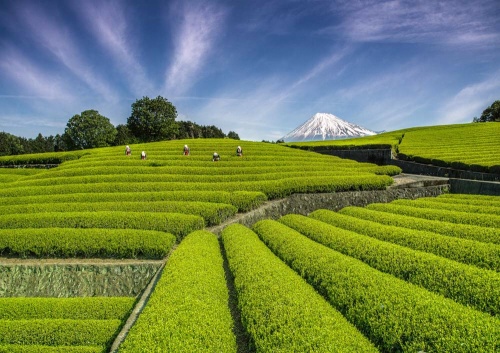
Matcha is a premium Japanese green tea powder made from shade-grown Camellia sinensis leaves. The unique cultivation process—where tea plants are covered for 3-4 weeks before harvest—increases chlorophyll and amino acid content, resulting in the vibrant green color and rich umami flavor that distinguishes matcha from ordinary green tea. Because the entire leaf is consumed in powdered form, matcha delivers significantly higher concentrations of beneficial compounds than steeped green tea.
  • NUTRITIONAL & FUNCTIONAL PROPETIES OF MATCHA POWDER

    • Composition: Matcha powder contains a unique profile of bioactive compounds resulting from its shade-grown cultivation. The primary components include catechins (approximately 7.7% of dry weight), with epigallocatechin gallate (EGCG) being the most abundant and potent—matcha contains about 17.5mg/g of EGCG compared to just 0.05mg/g in regular green tea. L-theanine, a unique amino acid responsible for matcha's umami flavor, is present at approximately 21-30mg/g—roughly 5 times higher than conventional green tea. The powder also contains caffeine (approximately 30-70mg per 1-2g serving), chlorophyll (contributing to its vivid green color), dietary fiber (38.5g per 100g), and an array of vitamins including vitamin A, vitamin C (3-4 times that of spinach), vitamin E (10 times that of spinach), vitamin K, and B vitamins. Essential minerals such as potassium, calcium, magnesium, iron, zinc, and selenium are also present.
    • Functional Benefits: Matcha's health benefits stem from its unique combination of bioactive compounds working synergistically:
    • Antioxidant Protection: Matcha is exceptionally rich in catechins, particularly EGCG, which exhibits powerful antioxidant activity. Studies show matcha contains up to 137 times more antioxidant catechins than typical green tea. These compounds help neutralize free radicals, protect cells from oxidative damage, and may reduce the risk of chronic diseases.
    • Cognitive Enhancement & Calm Focus: The combination of L-theanine and caffeine creates a unique "alert relaxation" effect. L-theanine promotes alpha brain wave activity (associated with relaxed alertness) within 40-50 minutes of consumption, while caffeine provides sustained energy without the jitters associated with coffee. This synergy enhances attention, memory, reaction time, and concentration.
    • Metabolic Support: Research indicates that catechins, particularly EGCG, may boost metabolism and enhance fat oxidation. Clinical studies have shown that green tea catechins combined with moderate exercise can enhance abdominal fat loss in overweight adults.
    • Cardiovascular Health: Catechins help regulate cholesterol levels by promoting bile acid excretion and preventing LDL oxidation. Regular consumption has been associated with reduced risk of cardiovascular disease, lower blood pressure, and improved arterial function.
    • Blood Sugar Regulation: Catechins may help moderate blood sugar spikes by inhibiting digestive enzymes, potentially supporting healthy glucose metabolism and insulin sensitivity.
    • Immune Support: EGCG demonstrates antiviral and antibacterial properties, helping protect against infections. Traditional Japanese households have used green tea gargling for cold prevention for centuries.

    ORGANOLEPTIC & SENSORY PROFILE OF MATCHA POWDER

    • Appearance & Texture: High-quality matcha powder exhibits a vibrant, bright green color—often described as "jade green" or "emerald"—which indicates high chlorophyll content from proper shade cultivation. The powder is ultra-fine (particle size of 5-10 microns when stone-ground), giving it a smooth, silky texture similar to talc. Lower-grade matcha appears more yellowish-green or olive-colored. When whisked with water, ceremonial-grade matcha produces a rich, creamy foam with tiny bubbles.
    • Taste & Odor: Matcha has a distinctive, complex flavor profile characterized by:
      • Umami: A savory, full-bodied richness from high L-theanine content
      • Vegetal sweetness: A natural sweetness balanced with grassy, spinach-like notes
      • Slight bitterness: A pleasant astringency from catechins, more pronounced in lower grades
      The aroma is fresh, grassy, and slightly sweet, reminiscent of steamed vegetables or fresh-cut grass. High-quality ceremonial matcha tastes smooth and naturally sweet with minimal bitterness, while culinary-grade matcha has a more robust, bitter profile suitable for cooking applications.
    • Solubility: Unlike many powdered supplements, matcha does not fully dissolve in water—it suspends as a fine dispersion. When whisked vigorously with hot water (70-80°C / 175°F, not boiling), it forms a homogeneous suspension. The powder will eventually settle if left standing, so products are typically consumed immediately after preparation. For beverages, this characteristic is addressed by:
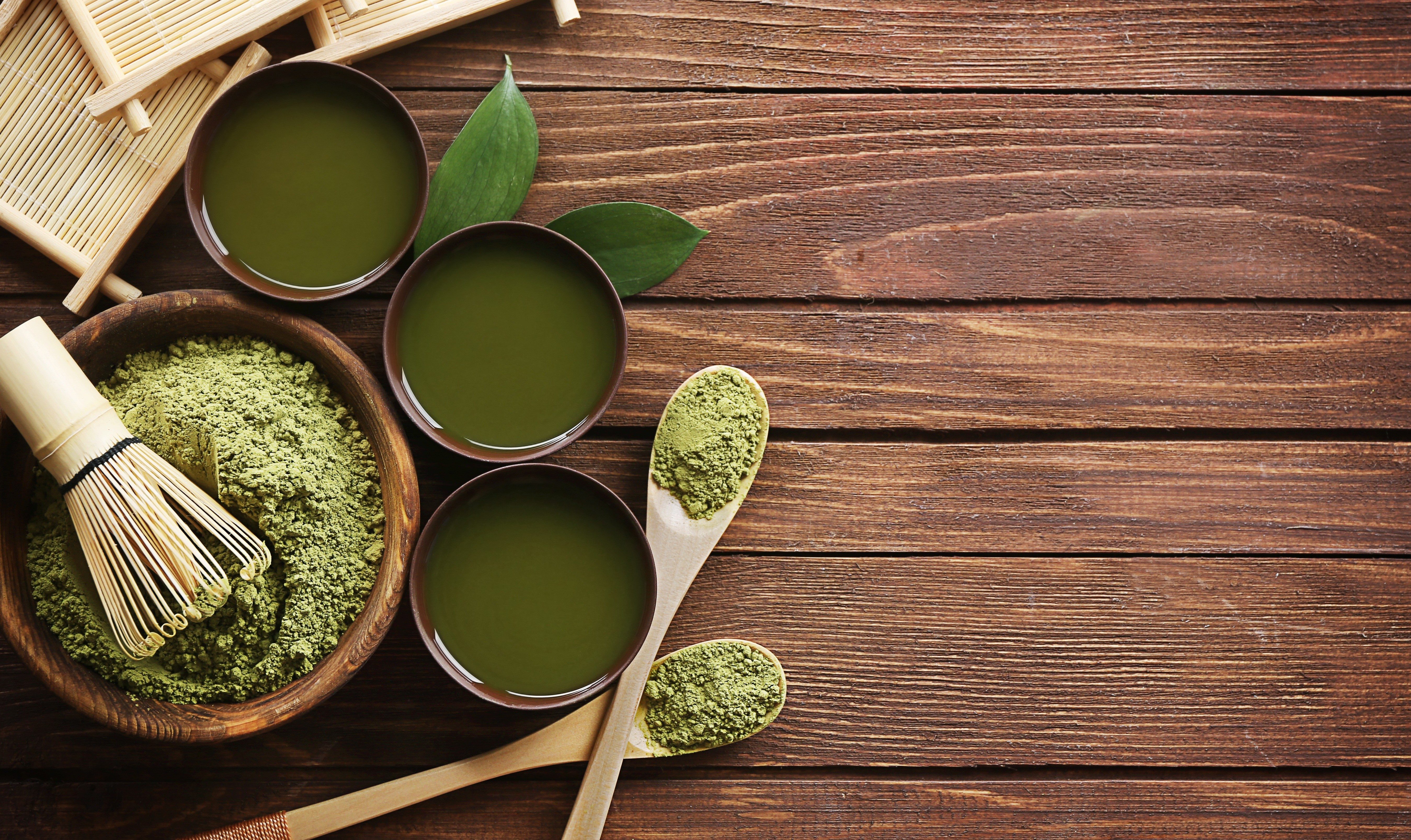
      • Traditional whisking with a bamboo chasen
      • Using electric frothers or blenders
      • Adding to smoothies where the texture integrates naturally
      • Formulating with emulsifiers for ready-to-drink products

    APPLICATION & DOSAGE OF MATCHA POWDER

    • Recommended Dose: The optimal daily intake of matcha powder is 1-2 grams (approximately ½ to 1 teaspoon) per serving, with 2-4 grams daily being the range most commonly recommended for health benefits. This provides:
      • 30-70mg of caffeine per serving
      • Approximately 20-60mg of L-theanine
      • 60-120mg of catechins, including significant EGCG
      Research suggests that consuming 2g (two servings) daily is the minimum needed to experience matcha's full spectrum of health benefits. Some studies indicate that 338mg of catechins and EGCG per day is safe for adults, which corresponds to approximately 4g of matcha. However, exceeding 3-5 servings daily is generally not recommended due to caffeine content. For those sensitive to caffeine, starting with 0.5-1g and gradually increasing is advisable.
    • Forms of Use: Matcha is exceptionally versatile and can be incorporated into numerous product formats:Traditional Tea Preparation:
      • Usucha (thin tea): 2g matcha whisked with 60-70ml hot water—the most common daily preparation
      • Koicha (thick tea): 4g matcha with 30-40ml water—used in formal tea ceremonies
    • Modern Beverage Applications:
      • Matcha lattes (with milk or plant-based alternatives)
      • Iced matcha drinks
      • Smoothies and protein shakes
      • Ready-to-drink bottled beverages


    Forms of Use (Detailed Applications)

    • Capsules/Tablets. Matcha extract is commonly encapsulated in dietary supplements, often standardized for EGCG content. Capsules typically contain 250-500mg of matcha powder or extract, providing concentrated catechins and L-theanine. Many Japanese and Western supplement brands combine matcha with collagen, vitamins, or other synergistic ingredients for beauty and wellness formulations.
    • Powder Blends. Matcha integrates seamlessly into functional powder blends—protein powders, superfood mixes, and "beauty lattes." Its natural green color, health halo, and functional benefits make it a premium addition to energy blends, meal replacements, and adaptogenic formulas. The powder's fine texture and ability to suspend in liquids makes it suitable for shake products that are stirred or blended.
    • Functional Foods. Matcha is widely used in confectionery and bakery applications, particularly in Japan where matcha-flavored chocolates, cookies, ice cream, cakes, and mochi are extremely popular. The culinary grade is preferred for baked goods where the matcha flavor must stand up to heat and other ingredients. Matcha is also incorporated into energy bars, granola, and breakfast cereals for added nutrition and distinctive flavor.
    • Beverages. Beyond traditional tea, matcha appears in ready-to-drink (RTD) beverages including bottled teas, energy drinks, and functional waters. Matcha lattes—both hot and iced—have become mainstream offerings at coffee shops worldwide. Alcoholic applications include matcha-infused cocktails and liqueurs.
    • ExamplesMatcha's versatility has led to widespread commercial adoption. Major beverage companies like Starbucks and Ito En offer matcha-based drinks globally. In Japan, brands such as Itoen, Kirin, and Suntory produce popular matcha beverages. Supplement companies including Vital Proteins, Sports Research, and numerous Japanese brands (such as DHC and FANCL) offer matcha capsules and powder supplements. In the beauty-from-within category, brands combine matcha with collagen peptides for skin health supplements. Culinary applications are exemplified by Häagen-Dazs matcha ice cream, Pocky matcha sticks, and KitKat matcha chocolate—all demonstrating matcha's mainstream appeal and flexibility as an ingredient.
    We will help you choose the form, dosage, and packaging for your brand

    Ready to create a product based on our ingredient?

    Request a quote

    What is Catechin?

    BASIC INFORMATION

    Catechins are a class of polyphenolic compounds found primarily in green tea, belonging to the flavanol (flavan-3-ol) family. They are responsible for the characteristic astringency and slight bitterness of tea. There are four main catechins in tea: epicatechin (EC), epicatechin gallate (ECG), epigallocatechin (EGC), and epigallocatechin gallate (EGCG)—the latter being the most abundant and biologically potent. Matcha, because the whole leaf is consumed, contains exceptionally high concentrations of these compounds. Catechins possess strong antioxidant properties, neutralizing free radicals and reactive oxygen species that can damage cells and contribute to aging and disease. Beyond antioxidant activity, catechins exhibit antibacterial, antiviral, anti-inflammatory, and metabolic-regulating properties.

    HISTORY OF CATECHIN

    Catechins were first discovered in 1821 by German chemist Friedlieb Ferdinand Runge, who isolated a crystalline substance from catechu, a plant extract from the Acacia catechu tree. The name "catechin" derives from this source material. The compound's structure was later fully characterized, and its presence in tea was established as scientists explored the chemical basis of tea's health-promoting reputation. For centuries before scientific validation, green tea consumption in East Asia was associated with longevity and wellness. The modern understanding of catechins' mechanisms emerged in the late 20th century, leading to extensive research into EGCG and related compounds for disease prevention.

    PROPERTIES AND FUNCTIONS

    Catechins are water-soluble polyphenols with remarkable biological activity:

    Antioxidant Activity: Catechins, particularly EGCG, demonstrate potent free radical scavenging ability, protecting cells from oxidative stress. This antioxidant activity is utilized commercially as a natural preservative for oils and foods.

    Antibacterial & Antiviral Effects: Catechins can bind to bacterial cell membranes and viral surface proteins, inhibiting attachment and replication. This explains the traditional use of green tea for oral hygiene and infection prevention.

    Metabolic Effects: Catechins promote bile acid excretion, helping regulate cholesterol levels. They also enhance fat oxidation and thermogenesis, contributing to weight management benefits.

    Cardiovascular Protection: By preventing LDL oxidation and supporting healthy endothelial function, catechins help maintain cardiovascular health.

    CATECHIN-CONTAINING PRODUCTS AND INTAKE

    Green Tea & Matcha: The most efficient way to consume catechins is through tea, particularly matcha where the entire leaf is ingested. One gram of ceremonial matcha can contain 50-60mg of EGCG and significant amounts of other catechins.

    Supplements: Standardized green tea extracts are available in capsule form, often providing 200-500mg of catechins per serving. These are popular for those seeking concentrated doses without the caffeine of multiple tea servings.

    Functional Foods: Catechin-enriched foods and beverages, including "tokuho" (Foods for Specified Health Uses) products in Japan, deliver measured catechin amounts for specific health claims such as body fat reduction.

    Intake Timing: Catechins are best absorbed when consumed with meals. For maximum antioxidant benefit, consuming tea or supplements with vitamin C-rich foods can enhance absorption. Due to caffeine content in tea-based sources, evening consumption may affect sleep in sensitive individuals.

    CATECHIN EFFECTS AND HEALTH BENEFITS

    Prevents Lifestyle Diseases: Catechins help prevent hyperlipidemia by promoting cholesterol excretion. Studies show that individuals consuming 10 cups of green tea daily have lower total cholesterol, triglycerides, and LDL cholesterol compared to those drinking 3 cups or fewer.

    Regulates Blood Sugar: By inhibiting amylase and other digestive enzymes, catechins moderate the absorption of carbohydrates, helping maintain healthy blood glucose levels.

    Supports Weight Management: Catechins enhance fat metabolism and reduce fat absorption. Clinical studies demonstrate that catechin consumption combined with exercise produces greater reductions in abdominal fat than exercise alone.

    Prevents Infections: The antibacterial properties of catechins have been shown to inhibit Helicobacter pylori (the stomach ulcer-causing bacteria) and influenza viruses. Green tea gargling is a traditional practice for cold prevention.

    Promotes Oral Health: Catechins inhibit the bacteria responsible for dental plaque formation and neutralize odor-causing compounds, supporting dental health and fresh breath.

    Protects Skin: Research shows catechin consumption can reduce UV-induced skin damage, improve skin elasticity, hydration, and blood flow, contributing to healthier skin appearance.
    CATECHIN SUPPLEMENTS ARE RECOMMENDED FOR:

    • Individuals concerned about cholesterol and cardiovascular health
    • Those seeking metabolic support and weight management
    • People wanting antioxidant protection against oxidative stress and aging
    • Individuals prone to colds or infections seeking immune support
    • Those concerned about blood sugar regulation
    • Anyone seeking oral health benefits (cavity and breath odor prevention)
    • Individuals wanting to support skin health from within

    INFORMATION ON CATECHIN RESEARCH

    1. Nakagawa K, et al. (1999) "Tea catechin supplementation increases antioxidant capacity and prevents phospholipid hydroperoxidation in plasma of humans." J Agric Food Chem.
    2. Imai K, Nakachi K. (1995) "Cross sectional study of effects of drinking green tea on cardiovascular and liver diseases." BMJ.
    3. Venables MC, et al. (2008) "Green tea extract ingestion, fat oxidation, and glucose tolerance in healthy humans." Am J Clin Nutr.
    4. Maki KC, et al. (2009) "Green tea catechin consumption enhances exercise-induced abdominal fat loss in overweight and obese adults." J Nutr.
    5. Heinrich U, et al. (2011) "Green tea polyphenols provide photoprotection, increase microcirculation, and modulate skin properties of women." J Nutr.

    Got Questions? We've Got Answers

    Frequently Asked Questions

    • What is the recommended daily dose of matcha powder?

      The recommended daily intake is 1-2 grams per serving (approximately ½ to 1 teaspoon), with 2-4 grams total per day being optimal for health benefits. This amount provides approximately 30-70mg of caffeine, 20-60mg of L-theanine, and significant catechins including EGCG. Research suggests that at least 2g daily is needed to experience matcha's full spectrum of benefits. Due to caffeine content, exceeding 3-5 servings daily is generally not recommended.

    • What is the difference between ceremonial grade and culinary grade matcha?

      Ceremonial grade matcha is made from the youngest, most tender tea leaves with stems and veins removed, producing a vibrant green color, smooth texture, and naturally sweet umami flavor with minimal bitterness. It's designed to be enjoyed as traditional tea. Culinary grade matcha uses slightly more mature leaves, resulting in a more robust, bitter flavor profile that stands up well in cooking, baking, and flavored beverages. For supplements and functional foods, culinary grade is often preferred for its cost-effectiveness and stronger flavor, while ceremonial grade is ideal for premium tea products.

    • Can matcha be consumed by people sensitive to caffeine?

      Matcha contains caffeine (30-70mg per serving), but its effects differ from coffee due to L-theanine content. L-theanine promotes calm alertness and slows caffeine absorption, reducing jitters and crashes. For caffeine-sensitive individuals, we recommend starting with 0.5-1g and gradually increasing. Avoid consumption in the evening if sleep is affected. Matcha offers a gentler energy boost compared to coffee.

    • Why is Japanese matcha considered superior to matcha from other origins?

      Japanese matcha benefits from centuries of refined cultivation techniques, particularly the traditional shade-growing method (covering tea plants 3-4 weeks before harvest) that maximizes L-theanine and chlorophyll content. Japan's climate, soil conditions, and strict quality standards—especially in renowned regions like Uji (Kyoto), Nishio (Aichi), and Shizuoka—produce matcha with superior color, flavor, and nutrient density. Japanese stone-grinding using granite mills preserves nutrients and creates the ultra-fine particle size (5-10 microns) essential for proper suspension and smooth texture. This combination of tradition, terroir, and technique makes Japanese matcha the gold standard for premium applications.

    Explore Our Blog

    Dive into insightful articles, research, and trends on our blog.
    Discover Our Premium Range

    Connect with Our Team

    Have questions or specific requirements? We're here to help.