The global cosmetic market increasingly demands multi-mechanism actives that address the root causes of skin aging rather than treating symptoms alone. Photoaging—the premature aging of skin caused by chronic UV exposure—accounts for approximately 80% of visible aging signs, yet many traditional ingredients address only oxidative stress or a single pathway. Premium Fermented Rose Extract represents a departure from single-mechanism ingredients: this patented fermented extract combines Japanese innovation with European botanical heritage to simultaneously target melanin synthesis, collagen degradation, protein glycation, and oxidative stress.
Fermented Rose Extract is an original, patent-protected cosmetic ingredient created through the fermentation of Centifolia rose petal extract using carefully selected lactic acid bacteria derived from Danish cheese cultures. This fermentation process unlocks synergistic bioactive compounds not present in non-fermented rose extracts, creating a multi-functional active ingredient suitable for formulations targeting visible aging, hyperpigmentation, loss of firmness, and skin radiance concerns.
Unlike generic rose extracts or conventional tyrosinase inhibitors that work through a single mechanism, Fermented Rose Extract has been validated through seven distinct in vitro and cellular studies to inhibit tyrosinase (reducing melanin production), suppress carbonyl protein formation (preventing yellowing), inhibit collagenase activity (preserving dermal structure), suppress AGEs formation (preventing glycation-induced aging), and protect skin cells from UV-induced oxidative damage. This multi-pathway efficacy positions Fermented Rose Extract as a solution for formulators seeking to substantiate comprehensive anti-aging and brightening claims backed by clinical evidence.
The ingredient's >95% natural origin score (per ISO 16128 compliance) and patent protection (JP 5274525) appeal to formulators developing premium, innovation-focused products for the U.S., Middle Eastern, Australian, and Asian-Pacific markets.
Photoaging is a complex biological process driven by multiple, interconnected pathways. When skin is chronically exposed to ultraviolet radiation, three primary mechanisms drive visible aging:
UV exposure activates melanocytes, which produce the enzyme tyrosinase. This copper-containing enzyme catalyzes the oxidation of the amino acid L-tyrosine into dopamine, which is subsequently converted into melanin pigment. Uncontrolled tyrosinase activity results in hyperpigmentation, melasma, and uneven skin tone. While conventional brightening ingredients (kojic acid, arbutin, hydroquinone) inhibit tyrosinase, they often work through a single mechanism and may carry safety or irritation concerns at therapeutic concentrations.
UV rays trigger the release of interleukin-1 alpha (IL-1α) in the epidermis, which signals dermal fibroblasts to produce matrix metalloproteinase-1 (MMP-1), a collagen-degrading enzyme. MMP-1 breaks down type I collagen, the primary structural protein of the dermis. This collagen loss manifests as wrinkles, sagging, and loss of skin thickness. The UV-induced IL-1α → MMP-1 pathway is one of the most significant drivers of photoaging wrinkles. Ingredients that inhibit MMP-1 or block IL-1α signaling can preserve dermal structure and prevent wrinkle formation.
Age-related protein damage occurs through glycation—the non-enzymatic reaction between glucose and protein residues. This process generates advanced glycation end products (AGEs), which cross-link collagen and elastin, causing loss of elasticity, sagging, and wrinkle formation. AGEs also accumulate in the stratum corneum, creating a yellowed, aged appearance known as "yellowing" or sallowness. AGEs are resistant to reversal, making their prevention critical.
Closely related to glycation is the formation of carbonyl proteins, which occur when reactive oxygen species (ROS) oxidize amino acid side chains. Carbonyl proteins are a direct marker of oxidative stress-mediated protein damage and are considered a primary cause of yellowing and loss of radiance. This mechanism is distinct from AGEs and requires specific antioxidant intervention.
Skin aging is not driven by a single biochemical pathway. An effective anti-aging ingredient must address multiple simultaneous mechanisms to deliver comprehensive benefits. Fermented Rose Extract was specifically developed and clinically validated to target all four of these pathways: melanin synthesis, collagen degradation, protein glycation, and oxidative stress. This multi-mechanism efficacy translates into formulation advantages for R&D teams seeking to substantiate broad anti-aging and brightening claims with single-ingredient validation data.
Fermented Rose Extract is composed of three primary components:
95% natural origin index (per ISO 16128 standard)
Japanese Patent JP 5274525 protects the fermented rose extract composition and its cosmetic applications.
Unlike conventional rose extracts produced through solvent extraction or maceration, Fermented Rose Extract leverages controlled fermentation to enhance bioavailability and generate additional bioactive compounds. The fermentation process operates as follows:
The result is a bioavailable, multi-functional active ingredient with efficacy significantly superior to non-fermented rose extracts alone.
Premium Fermented Rose Extract delivers six distinct efficacy benefits, each backed by specific clinical evidence.
Tyrosinase, a copper-containing enzyme within melanosomes, catalyzes the conversion of L-tyrosine to dopamine and subsequently to melanin. Excessive tyrosinase activity results in hyperpigmentation and uneven skin tone. The extract inhibits tyrosinase activity through multiple mechanisms: direct enzyme inhibition and suppression of tyrosinase gene expression in melanocytes.
In vitro studies demonstrated that fermented rose extract exhibits significantly stronger tyrosinase inhibition than non-fermented rose extract. Further validation using mouse melanoma cells (B16F10 melanoma cells) showed that the extract suppresses intracellular tyrosinase, resulting in a measurable reduction in melanin synthesis. This dual action—inhibiting both tyrosinase enzyme activity and melanin production within cells—positions the ingredient as a potent melanin-suppressing ingredient suitable for brightening and anti-hyperpigmentation formulations.
Formulators can use the extract to support brightening claims such as "supports even skin tone" or "helps reduce the appearance of hyperpigmentation." At typical use levels of 2-5%, the ingredient provides measurable tyrosinase inhibition. Studies conducted through partnership with Toyo University confirm the mechanism and support the substantiation of brightening claims.
Yellowing (often called sallowness or "yellowish tone") is a visible hallmark of aging and photodamage. This yellowing results from the accumulation of carbonyl proteins—protein molecules damaged by reactive oxygen species that form cross-linked aggregates. Unlike melanin, which concentrates in melanocytes, carbonyl proteins accumulate throughout the epidermis and stratum corneum, creating a diffuse, aged appearance. This mechanism is distinct from simple pigmentation and requires specific intervention.
Using tape-stripping methodology to harvest native stratum corneum, researchers exposed samples to 10 J/cm² of simulated UV radiation in the presence or absence of the extract. Carbonyl protein formation was detected via fluorescent labeling (5-FTSC staining) and analyzed by fluorescence microscopy. Results demonstrated that the extract reduced UV-induced carbonyl protein formation by approximately 50%, directly addressing a major driver of aged, yellowed skin appearance.
This mechanism is particularly valuable for formulators developing brightening and radiance-focused products, as it addresses not just melanin-related pigmentation but also the oxidative damage responsible for yellowing. Fermented Rose Extract can support claims such as "helps maintain skin radiance" or "supports luminosity" with specific mechanistic validation.
Age-related protein glycation—the reaction between glucose and amino acid residues—generates advanced glycation end products (AGEs). These cross-linked protein aggregates accumulate in collagen and elastin, reducing skin elasticity, promoting sagging, and contributing to wrinkle formation. AGEs are also accumulated in the stratum corneum, where they contribute to yellowing. Unlike collagen loss, which can be addressed through matrix preservation, AGE formation is most effectively prevented through suppression of the glycation pathway.
Using an in vitro model system with glucose, human serum albumin (HSA), and the extract, researchers measured AGE formation via fluorescence-based detection. Premium Fermented Rose Extract demonstrated significant dose-dependent suppression of AGE formation, indicating anti-glycation activity. This suggests that the ingredient protects skin proteins from age-related cross-linking and improves the structural integrity of dermal proteins.
AGE suppression is increasingly recognized as a distinct anti-aging mechanism separate from collagen stimulation or melanin inhibition. Formulators can use the ingredient to support anti-aging claims with a specific mechanistic pathway. The ingredient is particularly relevant for products targeting mature skin, as AGE accumulation increases with age and is accelerated by sun exposure and oxidative stress.
Oxidative stress drives photoaging through the generation of free radicals and reactive oxygen species (ROS), which damage cellular components including proteins, lipids, and DNA. Fermented Rose Extract contains polyphenolic compounds and fermentation-derived metabolites with potent free radical scavenging capacity. The ingredient addresses oxidative stress through multiple mechanisms: direct ROS neutralization, peroxyl radical scavenging, and lipid peroxidation inhibition.
The ingredient was evaluated using three complementary antioxidant assays:
Together, these assays demonstrate comprehensive antioxidant capacity across multiple ROS species and mechanisms.
The multi-mechanism antioxidant activity of fermented rose extract positions it as a suitable replacement for or complementary agent to conventional antioxidants such as vitamin C, vitamin E, and ferulic acid. At typical use levels of 2-5%, it provides measurable radical scavenging capacity and supports anti-aging claims.
While sunscreen ingredients absorb or reflect UV radiation, cellular-level antioxidants mitigate the damage caused by UV rays that penetrate the skin. When UV rays reach dermal fibroblasts, they trigger the generation of intracellular ROS, including hydrogen peroxide (H₂O₂) and peroxyl radicals. These ROS cause oxidative stress within cells, leading to cell death, DNA damage, and induction of collagen-degrading enzymes. Fermented Rose Extract protects cells from these UV-induced insults through antioxidant mechanisms.
Using normal human dermal fibroblasts (NHDFs) as a model system, researchers exposed cells to oxidative stress inducers:
Microscopy Validation: Light microscopy of irradiated fibroblasts confirmed that UV radiation caused visible cellular damage (cellular blebbing, reduced adherence). Fermented Rose Extract - treated cells retained normal morphology and attachment even after UV exposure.
This UV-protective mechanism is particularly valuable for sun care products, daytime serums, and products marketed as photo-protective. Fermented Rose Extract can support claims such as "helps skin maintain resilience against environmental stressors" or "supports skin defense against UV-related damage."
UV-induced wrinkle formation is primarily driven by the degradation of type I collagen in the dermis. The mechanism involves a well-characterized cascade: (1) UV radiation triggers IL-1α production in the epidermis; (2) IL-1α signals dermal fibroblasts to produce matrix metalloproteinase-1 (MMP-1); (3) MMP-1 cleaves type I collagen, resulting in collagen loss and wrinkle formation. Additionally, the extracellular matrix (ECM) is maintained through a balance of synthesis and degradation. Enzymes including collagenase (MMP-1), hyaluronidase, and elastase continuously remodel ECM components. Fermented Rose Extract addresses collagen preservation through two complementary mechanisms: suppression of MMP-1 expression/activity and inhibition of ECM-degrading enzymes.
Using human dermal fibroblasts stimulated with IL-1α (the physiological signal for collagen breakdown), researchers assessed the effect of Fermented Rose Extract on MMP-1 expression and activity.
Beyond MMP-1, fibroblasts produce additional ECM-remodeling enzymes. Fermented Rose Extract was tested against three key collagen and ECM component-degrading enzymes:
The combined suppression of MMP-1 and preservation of hyaluronic acid and elastin positions Fermented Rose Extract as a comprehensive wrinkle-prevention and firmness-supporting ingredient. Formulators can use this mechanism to support anti-wrinkle, firming, and elasticity-related claims with specific mechanistic validation. Typical use levels are 2-5%.
Beyond active anti-aging mechanisms, Fermented Rose Extract has been shown to enhance skin hydration, supporting the stratum corneum water-retention capacity. Enhanced hydration plumps the skin, reduces the appearance of fine lines, and maintains skin comfort—critical factors in a comprehensive skincare formulation.
A 13-participant human-use study evaluated the hydrating properties of Fermented Rose Extract. Subjects applied a 50% Fermented Rose Extract lotion (250 μL) to the inner forearm after a 15-minute acclimatization period. Using a calibrated Corneometer CM825, researchers measured stratum corneum water content at baseline and at 7-minute intervals up to 42 minutes.
The Fermented Rose Extract-containing lotion maintained significantly higher stratum corneum hydration levels compared to a control lotion (without Fermented Rose Extract) at all measured timepoints. The hydrating effect persisted over the entire measurement period, suggesting durable moisturizing benefits.
While Fermented Rose Extract is primarily positioned as an anti-aging active, its hydrating properties add value to formulations. This makes it suitable for both moisturizing creams and lightweight serums, where hydration support complements the anti-aging efficacy.
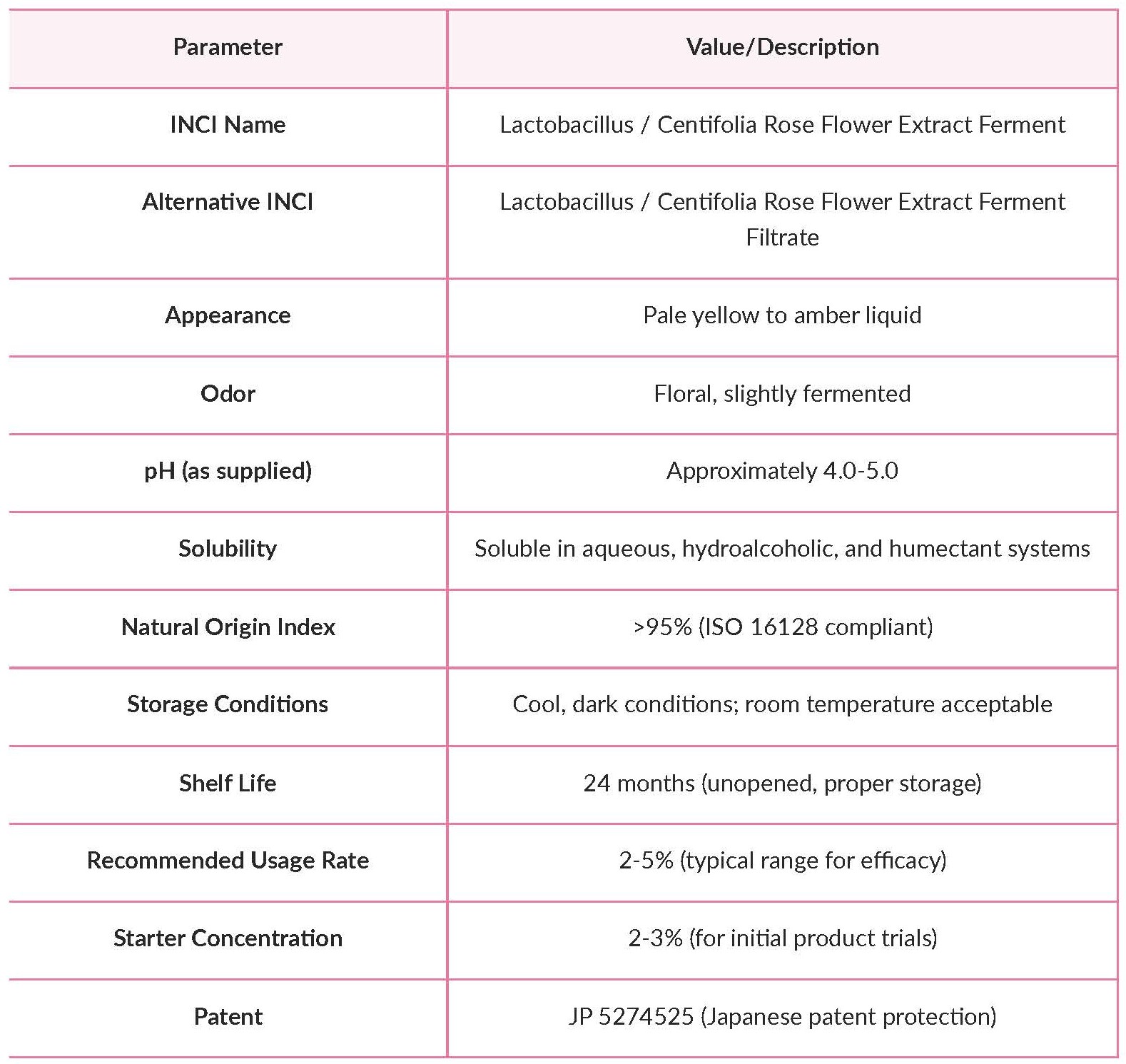
Fermented Rose Extract has been extensively evaluated for safety and compatibility in cosmetic formulations:
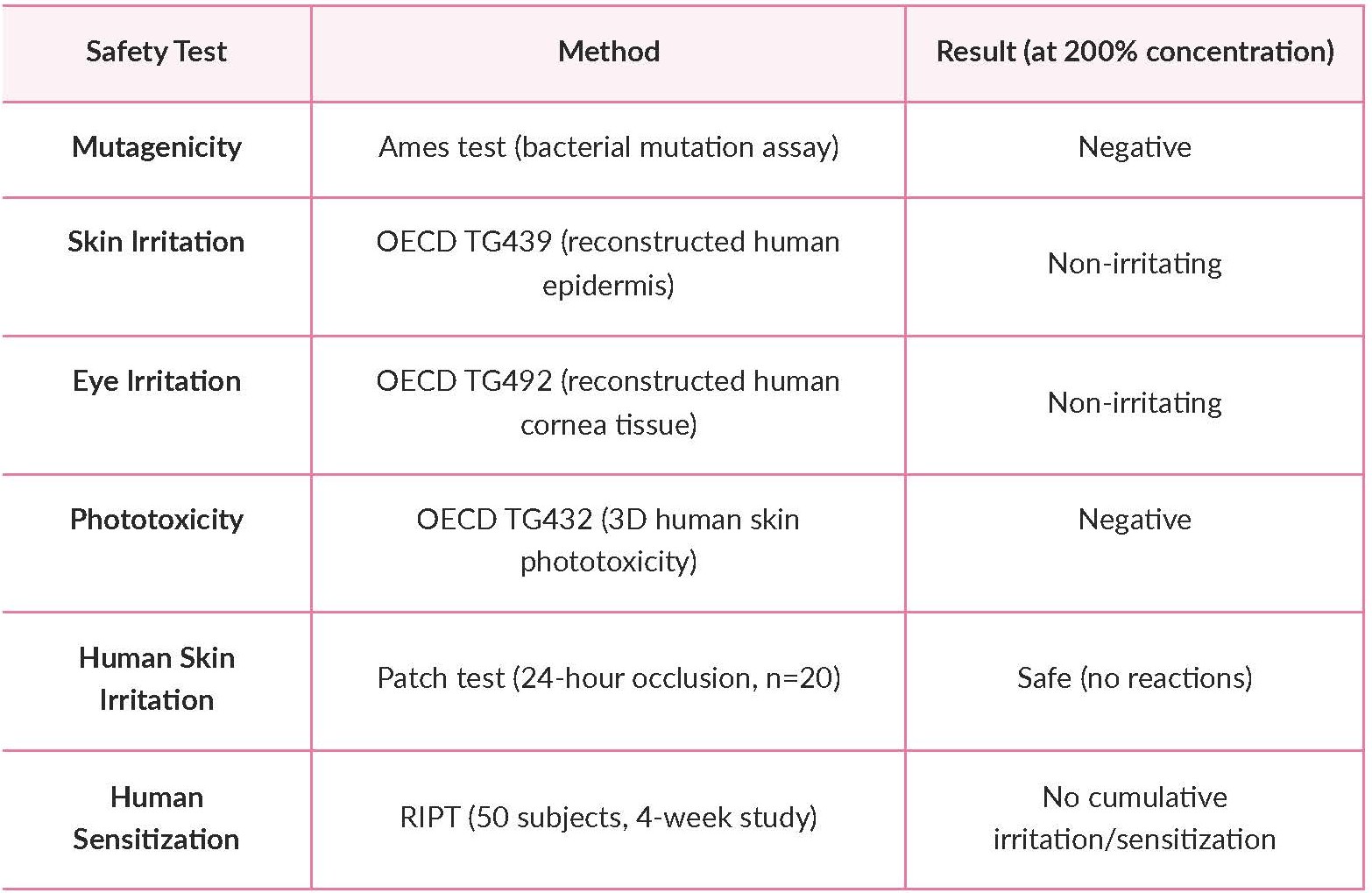
Testing at 200% concentration (twice the typical recommended use rate) ensures a wide safety margin for cosmetic formulations.
Fermented Rose Extract is compatible with the following ingredient categories:
Fermented Rose Extract is stable across a broad pH range (pH 4.5-7.0). For products using hydroxyacids (AHAs/BHAs), ensure the final pH does not fall below 3.5 to maintain ingredient efficacy.
As a fermented botanical extract, Fermented Rose Extract may contain minor minerals (iron, copper). For formulations including ascorbic acid (vitamin C), consider chelating agents (EDTA, sodium phytate) at standard cosmetic use rates (0.5-2%) to enhance stability.
Fermented Rose Extract is suitable for a wide variety of skincare and cosmetic formulations:
Fermented Rose Extract exhibits maximum stability and efficacy in the pH range 4.5-6.5. For products using stabilized vitamin C (L-ascorbic acid), consider the final product pH to ensure compatibility.
Fermented Rose Extract works synergistically with:
The fermented rose extract has a subtle floral note. If additional fragrance is desired, keep fragrance concentration at 0.5-1.5% to avoid masking the ingredient's natural character or creating competing scent profiles.
In a competitive market of rose extracts, antioxidants, and brightening ingredients, Fermented Rose Extract offers distinct advantages.
Unlike single-mechanism ingredients (e.g., kojic acid for tyrosinase inhibition alone), Fermented Rose Extract addresses seven distinct mechanisms of photoaging: tyrosinase inhibition, carbonyl protein suppression, AGEs inhibition, ROS scavenging, collagen preservation (MMP-1 and ECM enzymes), and hydration support. This multi-pathway efficacy allows formulators to support comprehensive anti-aging claims with a single ingredient.
The ingredient is backed by seven peer-reviewed in vitro and cellular studies conducted through academic partnerships (Toyo University), not proprietary manufacturer claims. Each mechanism has been independently validated:
This level of substantiation is rare among fermented botanical extracts and provides confidence for regulatory and marketing claims.
The ingredient leverages Japan's renowned fermentation expertise (koji, miso, sake traditions) combined with modern cosmetic science. The selection of Danish dairy-derived lactic bacteria adds a unique heritage story—a bridge between Japanese innovation and European tradition. This narrative appeals to premium beauty markets valuing "J-beauty" credentials and artisanal fermentation.
Patent protection is a significant competitive advantage. It prevents direct copying of the exact ingredient composition and its cosmetic applications, ensuring a period of exclusivity in the market. For brands seeking innovation differentiation, Fermented Rose Extract provides a proprietary advantage unavailable with commodity rose extracts.
With consumer demand for clean beauty and plant-based ingredients, Fermented Rose Extract's >95% natural origin rating (per ISO 16128) supports "natural," "plant-based," and "clean beauty" positioning—key selling points in indie beauty, MLM, and premium brand segments.
The ingredient's compatibility across serums, creams, masks, toners, and even sunscreen adjuncts provides formulation flexibility. R&D teams can develop multiple products in a range with Fermented Rose Extract, allowing for hero product positioning or multi-product routine development.
From the consumer perspective, Fermented Rose Extract offers a premium, science-backed ingredient story. The "fermented rose" positioning appeals to consumers seeking:
Photoaging refers to the premature aging of skin caused by chronic ultraviolet (UV) radiation exposure. Unlike intrinsic aging, which is driven by genetics and chronological time, photoaging is extrinsic and largely preventable through sun protection and antioxidant intervention. Approximately 80% of visible skin aging signs—wrinkles, pigmentation irregularities, loss of elasticity, and rough texture—are attributable to photoaging rather than chronological aging alone.
Both UVA (320-400 nm) and UVB (280-320 nm) radiation penetrate the skin and generate reactive oxygen species (ROS)—highly reactive molecules including hydroxyl radicals (•OH), superoxide (O₂•⁻), and hydrogen peroxide (H₂O₂). These ROS damage cellular components, including proteins (denaturation, cross-linking), lipids (peroxidation), and nucleic acids (mutations, strand breaks). UVA penetrates deeply into the dermis, while UVB primarily damages the epidermis; both contribute to aging.
In response to UV damage, melanocytes upregulate tyrosinase enzyme production and activity to synthesize protective melanin pigment. However, excessive melanin synthesis leads to hyperpigmentation, melasma, and uneven skin tone. The pathway operates as follows:
Inhibiting tyrosinase (through agents like Fermented Rose Extract) interrupts this pathway upstream, reducing melanin production at the source.
Collagen comprises ~30% of total body protein and is the primary structural element of the dermis, providing skin firmness and elasticity. When UV rays penetrate the dermis, they trigger a cascade that destroys collagen:
This IL-1α → MMP-1 pathway is one of the most well-characterized mechanisms of UV-induced wrinkle formation. Ingredients that suppress IL-1α production, inhibit MMP-1 expression, or directly inhibit MMP-1 enzymatic activity can prevent this collagen loss.
Age-related protein glycation is a non-enzymatic process in which reducing sugars (glucose, fructose) react with amino groups on proteins, generating Schiff bases that rearrange into Amadori products and eventually into advanced glycation end products (AGEs). This process is accelerated by UV exposure and oxidative stress. AGEs are irreversible cross-linked protein aggregates that accumulate in collagen and elastin, reducing skin elasticity and contributing to sagging and wrinkle formation. AGEs also accumulate in the stratum corneum, creating a yellowed appearance. Unlike collagen synthesis, which can be stimulated through retinoid or peptide use, AGE formation is most effectively managed through prevention via antioxidant and anti-glycation intervention.
Closely related to AGE formation, protein carbonylation occurs when ROS oxidize amino acid side chains, generating carbonyl groups (C=O) on proteins. Carbonyl proteins are markers of oxidative stress and are considered a primary cause of yellowing and loss of radiance. This mechanism is distinct from UV-induced hyperpigmentation and requires direct ROS scavenging to prevent.
Fermentation is an ancient biotechnology that enhances the bioavailability, stability, and functional properties of botanical ingredients. When beneficial microorganisms (such as lactic acid bacteria) ferment plant material, several transformations occur:
Plant compounds such as flavonoids and polyphenols are often present in plants as large, complex glycosides (sugar-conjugated forms). These glycosides must be hydrolyzed into aglycones (sugar-free forms) to be absorbed across the skin barrier. Fermentation produces microbial glycosidases that cleave these bonds, increasing the concentration of bioavailable aglycones. Additionally, fermentation produces amino acids and organic acids that act as natural penetration enhancers, further improving skin penetration of active compounds.
Lactic acid bacteria have been used in food fermentation for thousands of years and have a well-established safety profile. In cosmetics, lactic acid bacteria and their metabolites offer additional benefits:
Rosa centifolia, commonly known as the Cabbage Rose or Rose of Castile, is one of the oldest rose cultivars, with origins tracing to the Mediterranean region (particularly Provence, France, and Castile, Spain). The Centifolia variety is renowned for its dense, ruffled petals and complex fragrance, making it prized for perfumery and traditional medicine.
Centifolia rose petals contain a complex matrix of bioactive compounds:
Centifolia rose has been used in traditional medicine and skincare for centuries:
Our company is based in Japan and has been exporting high-quality raw materials and dietary supplements since 2022. We collaborate with leading manufacturers and develop products that are valued for their purity, safety, and effectiveness. We work with small and medium-sized businesses to help launch your brand or expand your product line.
The fermentation process fundamentally transforms the rose extract, enhancing both efficacy and bioavailability. During fermentation, lactic acid bacteria produce enzymes that break down complex plant compounds (particularly glycosides) into smaller, more bioavailable molecules. Additionally, fermentation generates organic acids (lactic acid) and amino acids that further enhance skin penetration and efficacy. Clinical studies demonstrate that Fermented Rose Extract exhibits significantly stronger tyrosinase inhibition, ROS scavenging, and collagen-protective effects compared to non-fermented rose extract alone. Furthermore, Fermented Rose Extract is validated through seven distinct in vitro and cellular studies, providing comprehensive substantiation for multiple anti-aging mechanisms that typical rose extracts cannot support.
Recommended usage rates vary by product type and desired efficacy. For serums, 3-5% provides strong anti-aging efficacy for brightening and wrinkle-prevention formulations. Creams and moisturizers work well at 2-4%, offering anti-aging benefits with hydration support. Masks and intensive treatments perform best at 3-5% for concentrated effect. Toners and essences require 2-3% for maintenance and hydration. Boosters and ampoules can go up to 5-8% for highly concentrated formulations intended for layering. For new product development, start at 2-3% to assess sensory profile and efficacy, then adjust based on product requirements and marketing claims.
Yes, this ingredient is highly compatible with most cosmetic actives. It works synergistically with antioxidants like vitamin C, vitamin E, ferulic acid, and green tea extract. It pairs well with hydrators such as hyaluronic acid and glycerin, and complements peptide complexes and amino acids. The extract is also compatible with gentle exfoliants (AHAs at 5-10%, BHAs) when properly pH-buffered at 4.5-5.5, as well as natural oils, squalane, and plant waxes. Avoid combining with strong oxidizing agents like high-concentration peroxides, and maintain formulation pH between 3.5 and 8.0 to ensure stability.
Store at room temperature (15-25°C) in dark, opaque containers away from direct sunlight. Avoid refrigeration unless the product is frozen. Unopened bottles maintain efficacy for 24 months under proper storage conditions. Once formulated into cosmetic products, stability depends on the overall preservation system, typically 12-36 months depending on formulation. For bulk ingredient storage beyond 12 months, maintain in sealed containers with nitrogen headspace.


