This premium cosmetic active is a fermented extract made by fermenting kitanomurasaki — the only black rice variety native to Hokkaido, Japan — with red koji (Monascus purpureus) derived from traditional tofu fermentation. The result is a bioactive filtrate that combines centuries-old Japanese fermentation wisdom with modern cosmetic science.
This ingredient is engineered to address the full spectrum of modern skin stress: environmental pollution, ultraviolet radiation, and the inflammatory effects of prolonged mask wear. Unlike conventional botanical extracts, it leverages controlled fermentation to amplify the bioavailability and potency of its active compounds, creating a multi-functional active ingredient that works comprehensively to restore and protect skin.
Black rice (Oryza sativa var. nigra) from Hokkaido represents a rare agricultural lineage cultivated in the foothills of Daisetsuzan mountain, where harsh winters and pristine snowmelt create ideal growing conditions. Kitanomurasaki, the only black rice cultivar originating exclusively from Hokkaido, accumulates higher concentrations of anthocyanins, phenolic compounds, and micronutrients compared to standard white or brown rice varieties. These compounds serve as the precursor material for fermentation-driven transformation.
Red koji fermentation (Monascus purpureus) has been used in Japanese food production for over a thousand years to create miso, sake, and fermented tofu. During fermentation, koji enzymes break down complex rice molecules into smaller, more bioavailable compounds — including amino acids, peptides, organic acids, and polysaccharides. This enzymatic transformation does not require synthetic additives, preservatives, or fermentation aids.
The result is a 100% naturally compliant filtrate that retains biological activity while improving skin penetration. No synthetic ingredients, no chemical boosters, and no fermentation additives — only black rice, red koji, and water. This purity aligns with clean-label positioning and ISO 16128 natural origin standards.
This fermented black rice extract is designed for formulators developing:
• Anti-aging serums and essences targeting wrinkles, loss of firmness, and textural improvements
• Sensitive skin care lines requiring barrier-repair and soothing properties
• Hydrating creams and lotions for compromised or dehydrated skin
• Mask and treatment formulations leveraging anti-inflammatory action
• Multi-functional skincare systems where a single active addresses multiple consumer concerns
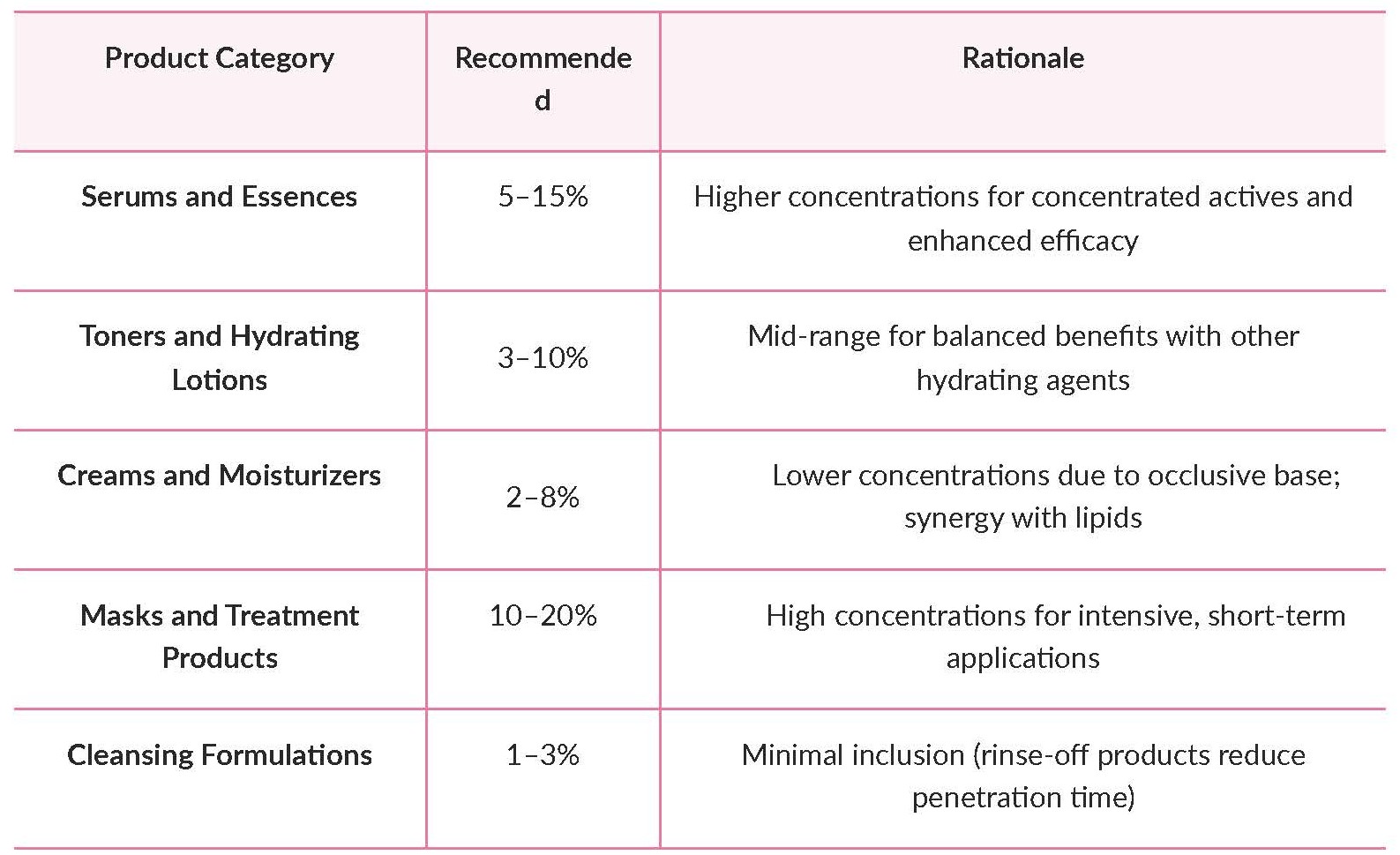
Recommended inclusion rate: 2–15% depending on formulation goals and desired intensity of effects.
This ingredient addresses the primary mechanisms of skin deterioration caused by contemporary environmental challenges. Research demonstrates that air pollution (particulate matter, PAHs), ultraviolet radiation, and prolonged mask contact trigger oxidative stress, inflammatory cytokine production, and barrier function decline. The fermented black rice extract intercepts these pathways through six interconnected mechanisms of action:
The Challenge:
Inflammatory cytokines (particularly IL-6 and nitric oxide) are elevated in response to environmental stressors, bacterial colonization, and physical irritation. Excessive IL-6 and NO trigger skin roughness, redness, and accelerated aging via collagenase (MMP-1) upregulation. Chronic inflammation is now recognized as a primary driver of premature skin aging, compromised barrier function, and persistent dryness.
The Solution:
In vitro studies using RAW264.7 macrophage-like cells confirmed that this extract inhibits both IL-6 gene expression and IL-6 protein concentration in a concentration-dependent manner. Similarly, the ingredient suppressed inducible nitric oxide synthase (iNOS) expression and downstream NO production, with statistical significance at 5% and 10% concentrations (P<0.01 and P<0.05, respectively).
Patent Protection:
The anti-inflammatory mechanisms are protected by Japanese Patent #7277984, providing regulatory credibility and intellectual property protection for finished products leveraging this claim.
Formulation Insight:
When combined with glycyrrhizinate (GK2), this extract demonstrates synergistic NO inhibition with scale factors ranging from 1.1 to 1.4 — indicating that the combined effect exceeds the sum of individual contributions. This synergy is particularly valuable for formulators targeting sensitive or inflamed skin conditions.
The Challenge:
Reactive oxygen species (ROS) generated by environmental pollution, UV exposure, and metabolic stress overwhelm cellular antioxidant defenses, leading to oxidative damage, collagen degradation, and accelerated photoaging.
The Solution:
Cell-level studies demonstrated that this extract actively scavenges H₂O₂ within epidermal keratinocytes, with H₂O₂ concentration declining in a concentration-dependent manner. Normal human epidermal keratinocyte (NHEK) survival rates improved significantly when exposed to H₂O₂ in the presence of the extract (P<0.01–P<0.001). Additionally, in UVB exposure models, the ingredient protected keratinocytes from UV-induced oxidative damage, maintaining elevated cell survival rates even under phototoxic conditions.
Mechanism:
The antioxidant activity is attributed to fermentation-generated phenolic compounds, organic acids, and enzymatically derived polyphenols that neutralize free radicals and upregulate cellular antioxidant enzyme systems.
Formulation Insight:
For sunscreen formulations, anti-aging serums, and post-procedure recovery products, this extract provides antioxidant support that complements physical/chemical UV filters and reduces oxidative burden in compromised skin.
The Challenge:
The epidermal stratum corneum relies on hyaluronic acid (HA) to retain water and maintain skin hydration. HA production declines with aging, UV exposure, and oxidative stress, contributing to transepidermal water loss (TEWL), dryness, and compromised barrier integrity.
The Solution:
This extract promotes the expression of hyaluronan synthase 3 (HAS3) mRNA in cultured NHEK cells at 5% and 10% concentrations (P<0.05). HAS3 is the primary enzyme responsible for HA synthesis in the epidermis. By upregulating HAS3 expression, the ingredient stimulates endogenous HA production, enhancing the skin's intrinsic moisture-binding capacity.
Human Trial Evidence:
In a 4-week clinical study with 17 women (ages 34–54) using cosmetic formulations containing 15% of this extract, corneometer measurements revealed a significant increase in moisture levels in the stratum corneum on both cheeks (P<0.001), demonstrating that the lab-level HAS3 activation translates to real-world hydration improvements.
Formulation Insight:
The extract is particularly valuable in hydrating essences, toners, and moisturizing serums where consumer perception of "immediate hydration" is paired with long-term barrier support. The ingredient works synergistically with humectants (glycerin, panthenol) and occlusive agents (plant oils, ceramides).
The Challenge:
The skin barrier's effectiveness depends on the cornified envelope (CE) — a protein scaffold composed primarily of involucrin, loricrin, and keratins. When CE integrity declines, barrier function deteriorates, leading to increased sensitivity, water loss, and susceptibility to irritants.
The Solution:
This extract promotes involucrin mRNA expression and protein production in NHEK cells in a concentration-dependent manner (P<0.05). Involucrin is a critical structural protein of the CE; increased involucrin production directly correlates with enhanced barrier function. By strengthening the CE, the ingredient supports the deposition of intercellular lipids that form the lamellar structure essential for barrier integrity.
Synergy with Lipid Ingredients:
This extract is particularly effective when combined with ceramide-rich ingredients and plant-derived lipid complexes, as the improved CE foundation optimizes lipid packaging and barrier durability.
Formulation Insight:
For sensitive skin lines, post-procedure recovery products, and barrier-repair serums, the extract addresses the structural basis of barrier compromise, offering formulators a scientifically grounded alternative to purely symptomatic soothing agents.
The Challenge:
Skin aging is characterized by a slowdown in epidermal cell turnover. Reduced keratinocyte renewal leads to accumulation of dead cells on the surface, resulting in dullness, fine wrinkles, compromised texture, and impaired natural moisturizing factor (NMF) expression.
The Solution:
This extract significantly promoted cell proliferation in normal human epidermal keratinocyte cultures at 5% and 10% concentrations (P<0.05). This acceleration of keratinocyte proliferation supports faster epidermal renewal, essential for improving skin texture and reducing the appearance of fine lines.
Human Trial Outcomes:
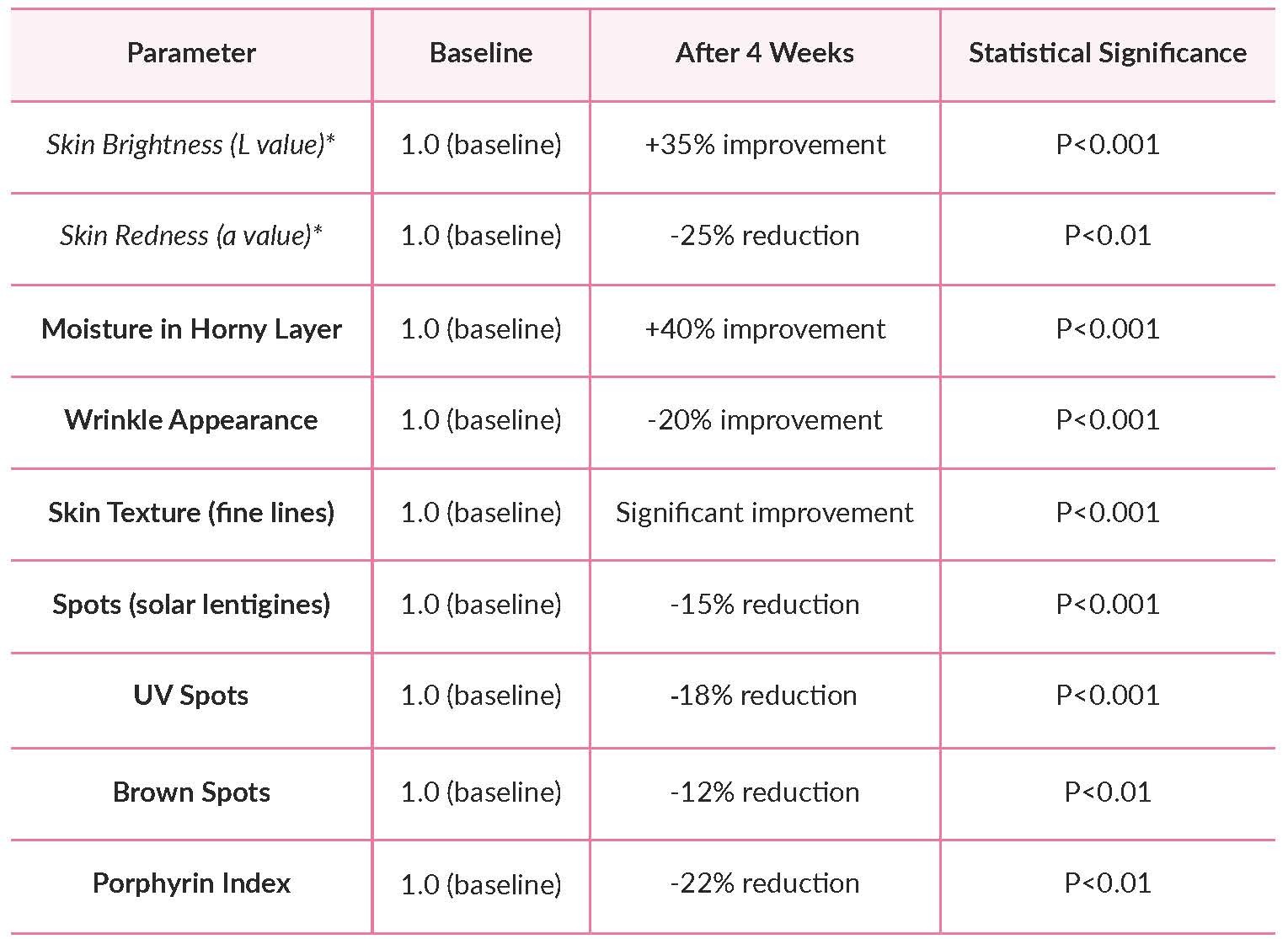
In the 4-week clinical study, VISIA image analysis showed significant improvements in multiple parameters related to skin texture and renewal:
These improvements reflect accelerated turnover and the removal of age-related pigmentation and textural irregularities.
Formulation Insight:
The extract is valuable in turnover-focused products marketed to mature skin, post-inflammatory hyperpigmentation, and textural concerns. The ingredient supports gentle, natural turnover without irritation—ideal for sensitive skin that cannot tolerate strong exfoliants or high-dose chemical actives.
The Challenge:
Collagen provides structural support and elasticity to the dermis. Collagen production declines with age, UV damage, and chronic oxidative stress, leading to loss of firmness, visible wrinkles, and sagging.
The Solution:
Cell studies using normal human dermal fibroblasts demonstrated that this extract significantly promoted collagen production at 5% and 10% concentrations (P<0.001). In the 4-week clinical trial, VISIA analysis revealed significant improvements in wrinkle appearance (P<0.001), indicating that the lab-level collagen stimulation produced measurable improvements in fine-line reduction and skin tightness.
Human Trial Evidence:
In the 4-week clinical trial, VISIA analysis revealed significant improvements in wrinkle appearance (P<0.001), indicating that the lab-level collagen stimulation produced measurable improvements in fine-line reduction and skin tightness on the face.
Mechanism:
The collagen-stimulating activity is attributed to fermentation-derived peptides, amino acids, and growth-factor-like compounds (such as amino acid profiles similar to those found in collagen-supportive hydrolysates).
Formulation Insight:
This extract is ideal for anti-wrinkle serums, firming creams, and aesthetic treatment products. The ingredient works synergistically with collagen-supportive ingredients (vitamin C, retinol, peptides) to provide a multi-layered anti-aging strategy.
A controlled evaluation was conducted with 17 adult women aged 34–54 years (average age 42.3 ± 5.3 years) using a regimen of cosmetic products formulated with 15% fermented black rice extract (skin toner, beauty essence, and cream) applied twice daily (morning and evening) for four weeks during October and November.
Facial images were captured at baseline and after 4 weeks using VISIA skin imaging software. Images were analyzed for the following parameters:
Hydration of the stratum corneum (horny layer) was measured on both cheeks at the point where a vertical line from the corner of the eye intersects a horizontal line from the bottom of the nose. Five measurements were taken per cheek, and average values were calculated. Moisture content was assessed at baseline and week 4.
Subjects reported the following improvements via a structured questionnaire:
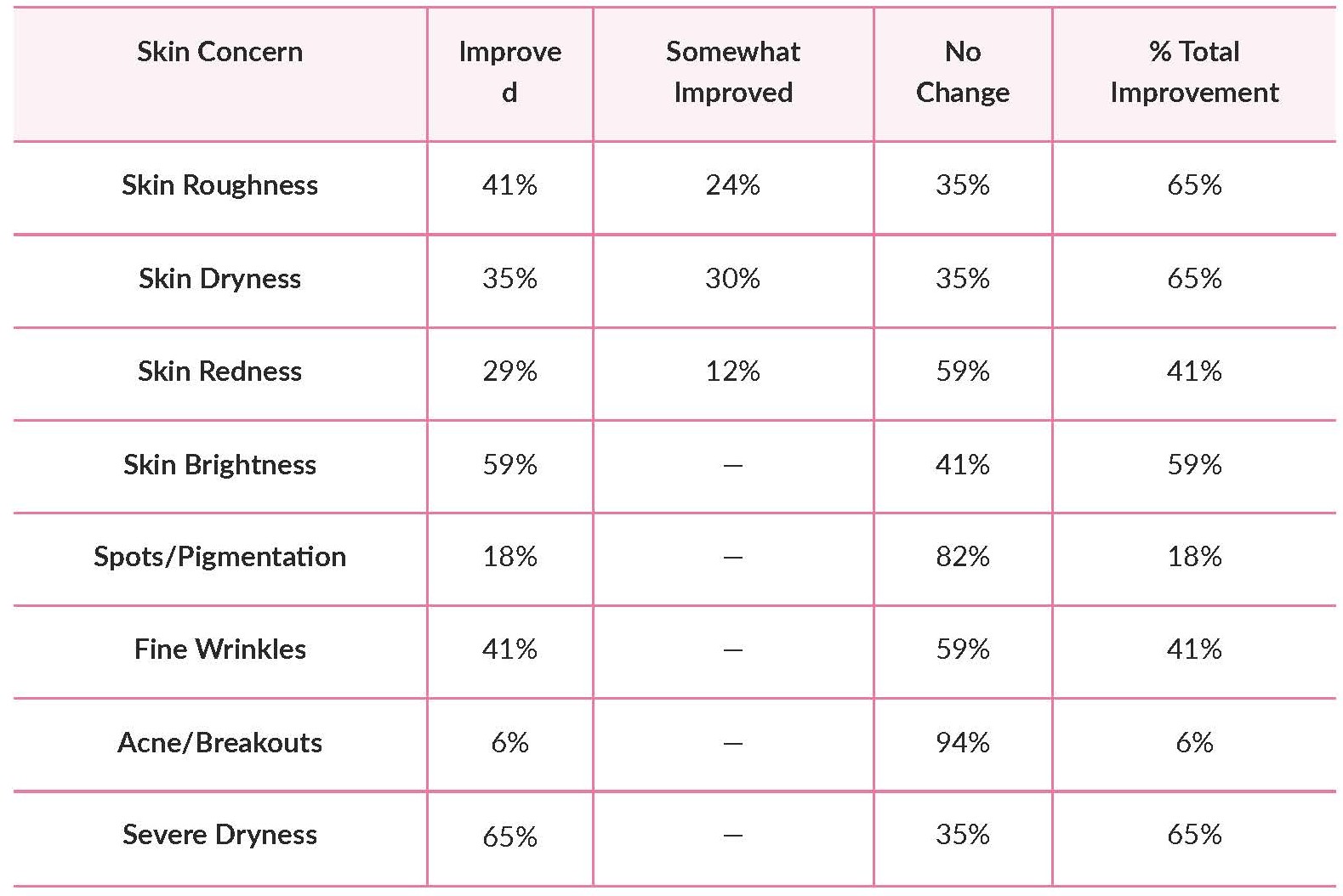
The study demonstrates that the extract delivered measurable improvements in multiple dimensions of skin quality within a short (4-week) timeframe:
The alignment between objective (VISIA/Corneometer) and subjective (consumer questionnaire) measures strengthens the credibility of claims and provides formulators with both scientific and consumer-resonance data for product marketing.
The extract is water-soluble and compatible with aqueous and hydro-alcoholic systems. The ingredient shows excellent synergy with:
This ingredient has been rigorously tested for safety across multiple international standards. All tests passed with non-irritant or negative results:
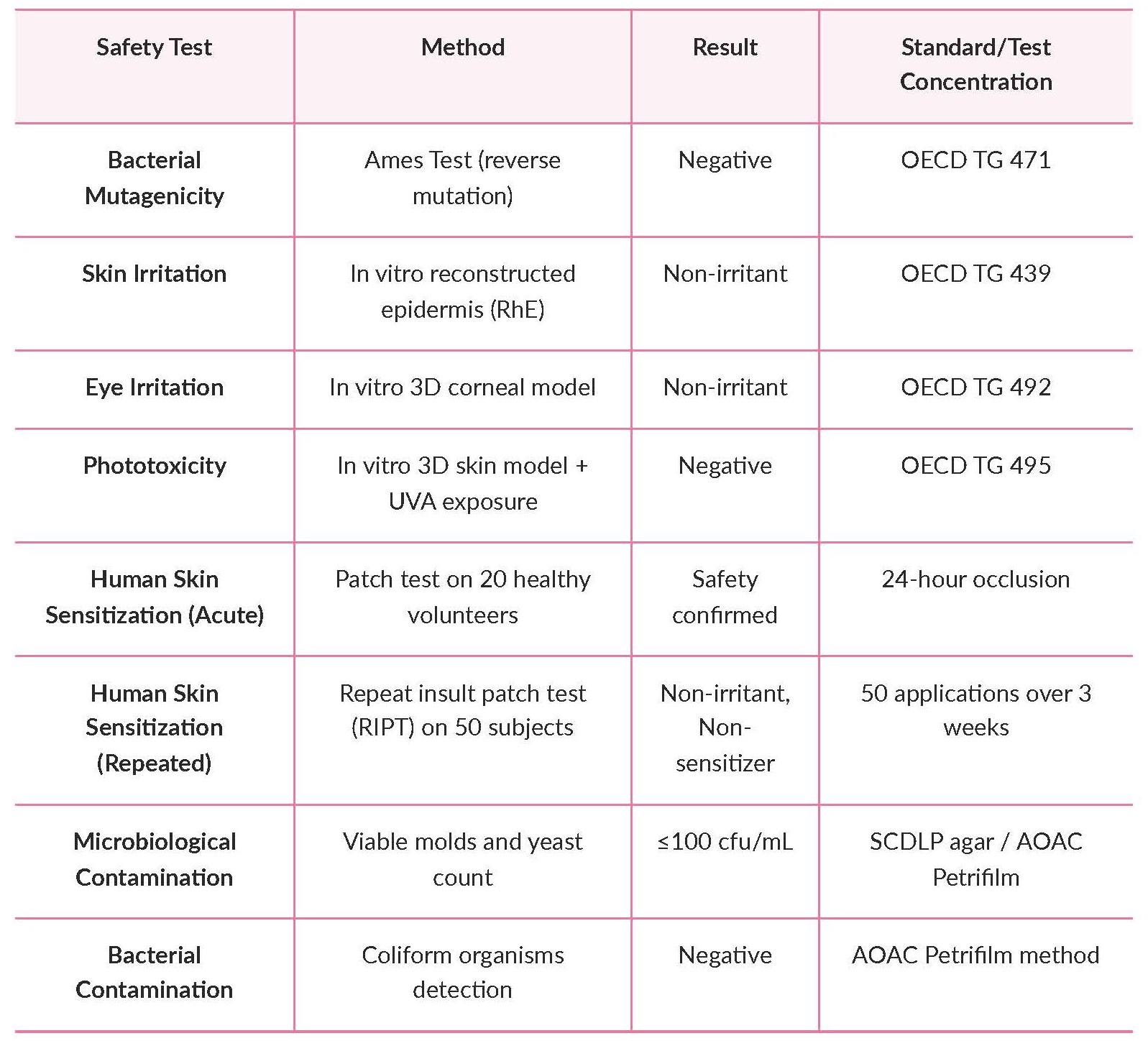
Test Concentration: 25% Monascus/Rice ferment in safety dossier. Higher concentrations in finished cosmetic formulations further reduce any potential for irritation.
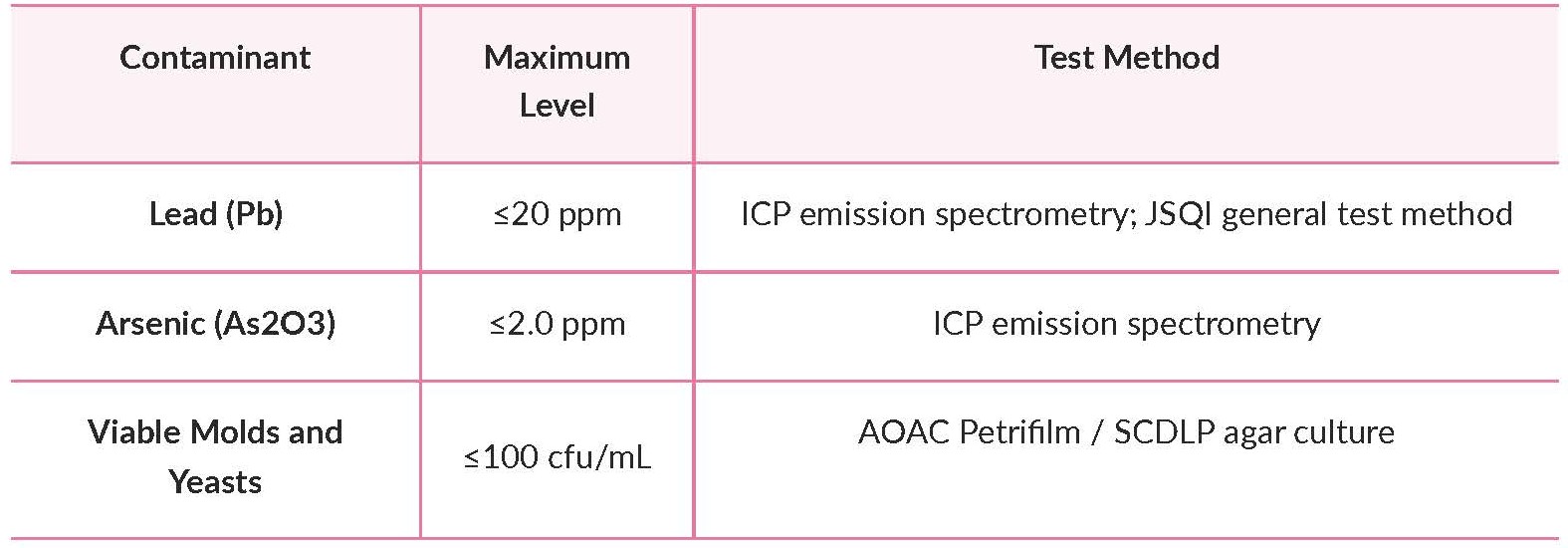
All test results confirm that the extract is safe for dermal application and meets international cosmetic ingredient safety standards (FDA, European Cosmetics Regulation, China NMPA).
The ingredient is dermatologist-tested, hypoallergenic, and suitable for sensitive skin when formulated at recommended concentrations. The ingredient's natural origin, lack of synthetic additives, and comprehensive safety documentation make it an ideal choice for:
The human use of koji fermentation dates back over 1,000 years in Japan, where the Aspergillus oryzae mold was domesticated to produce miso, sake, mirin, and tamari—fundamental ingredients in Japanese cuisine. What traditional brewers discovered through centuries of empirical practice is now being validated by modern biochemistry: fermentation unlocks the hidden power of plants by transforming their molecular structure.
In contemporary skincare, fermented ingredients are experiencing a renaissance. Global fermented botanicals market research projects growth to over USD 1.45 billion by 2025, driven by consumer demand for natural actives, clean-label positioning, and clinically validated efficacy. Yet many formulators and brands remain unclear about why fermented ingredients outperform their unfermented counterparts—and how to leverage fermentation strategically in product development.
This educational guide explores the biochemistry of koji fermentation, explains why this ancient technique produces superior skincare actives, and provides actionable insights for formulators seeking to differentiate their offerings in a crowded marketplace.
Koji (麹) is a controlled mold culture, most commonly Aspergillus oryzae, that has been cultivated in Japan for millennia. The term "koji" refers both to the mold strain itself and to the inoculated substrate—typically steamed rice or soybeans—that undergoes fermentation. Koji is Japan's "National Mold" (国菌), officially recognized by the Japanese government as a cultural treasure and essential biotechnological asset.
During koji fermentation, the mold colonizes the substrate and produces powerful hydrolytic enzymes:
This enzymatic cascade transforms the substrate's molecular structure, creating a biochemically distinct material than the original plant source.
While Aspergillus oryzae (white koji) is the primary koji strain, our extract utilizes red koji—Monascus purpureus—derived from traditional tofufu (fermented tofu) production. Monascus purpureus possesses a distinct metabolic profile:
Pigment Production:
Red koji naturally produces monascin pigments (red-orange hues) through secondary metabolism. These pigments—including monacolins and azaphilones—are potent bioactive compounds with anti-inflammatory, antioxidant, and immune-modulating properties.
Enzyme Diversity:
Monascus purpureus secretes a broader spectrum of enzymes than white koji, including specialized proteases that generate peptides with specific bioactivities (e.g., peptides that inhibit inflammatory mediators).
Natural Antimicrobial Properties:
The pigments and organic acids produced by red koji create a naturally preserved fermentation environment, eliminating the need for synthetic preservatives or fermentation additives.
This combination of enzymatic power and secondary metabolite production makes red koji a superior choice for cosmetic active extraction compared to white koji or unfermented plant materials.
The production follows a precise protocol:
Unfermented plant extracts contain many bioactive compounds, but they face a critical challenge: molecular size limitation. The stratum corneum (outer layer of skin) has a natural barrier threshold; molecules larger than approximately 500 Daltons (Da) struggle to penetrate the skin and reach viable epidermis cells where they can exert biological effects.
Many plant compounds—particularly:
—exceed this threshold and remain on the skin's surface, providing limited efficacy despite their intrinsic bioactivity.
Koji fermentation solves this problem through enzymatic hydrolysis. Proteases break down proteins into amino acids (110 Da) and small peptides (2–50 amino acids = 200–5,500 Da, though most bioactive peptides cluster at 2–20 amino acids). Amylases convert starches into simple sugars (glucose, maltose = 180–342 Da). Lipases break down lipids into fatty acids and glycerol (256–400 Da).
The result: molecules small enough to cross the stratum corneum barrier, penetrate deeper into the epidermis, and interact with cellular receptors and enzymes.
A 2025 study published in Phytochemistry found that fermented rice water (sake) achieved 3–5× higher skin penetration of phenolic compounds compared to unfermented rice water, directly correlating fermentation time with improved bioavailability of antioxidant polyphenols.
Similarly, research on galactomyces ferment filtrate (a popular Japanese fermented skincare ingredient) showed that fermented versions enhanced hyaluronic acid synthesis more effectively than unfermented botanical extracts at equivalent concentrations.
The improved penetration is only half the story. Fermentation also amplifies biological activity:
Unlike synthetic single-compound actives (peptides, retinoids, vitamin C), fermented ingredients provide multi-functional benefits from a single ingredient. This offers formulators and brands several strategic advantages.
A formulation containing:
...achieves the same functional profile as a more complex formula with:
The fermented approach reduces ingredient count, simplifies supply chain management, and creates a simpler consumer narrative ("powered by Hokkaido black rice fermentation" vs. a complex active ingredient list).
Fermented ingredients are perceived as "natural" and "less processed" by consumers—a critical positioning advantage in the clean beauty segment. The extract's 100% Natural Origin Index (ISO 16128) certification communicates that the ingredient meets strict natural and minimally processed standards, appealing to:
Fermented ingredients carry cultural and heritage narratives that resonate with consumers. The koji fermentation story—rooted in 1,000+ years of Japanese foodcraft, connected to sake and miso, leveraging Hokkaido's agricultural legacy—provides rich marketing material and brand differentiation that synthetic actives cannot match.
Brands using this ingredin\ent can position their products as:
This narrative resonates strongly with consumers seeking authenticity, heritage, and natural beauty solutions.
Fermented extracts are classified as botanical extracts (not synthetic actives) in most regulatory frameworks, providing strategic compliance advantages:
This regulatory flexibility accelerates time-to-market and reduces compliance complexity for multinational brands.
The contemporary skin environment faces unprecedented stressors unknown to previous generations.
The Challenge:
Air pollution—particularly polycyclic aromatic hydrocarbons (PAHs) in exhaust gas—binds to aryl hydrocarbon receptors (AhR) in skin cells, triggering reactive oxygen species (ROS) overproduction and inflammatory cytokine release. Particulate matter (PM2.5, PM10) physically damages the stratum corneum, increasing permeability and irritation.
The Solution:
Fermented actives like our fermented black rice extract provide:
The Challenge:
Prolonged mask wear creates a humid, friction-prone microenvironment that triggers:
The Solution:
The ingredient's multi-functional profile addresses all three mechanisms:
The Challenge:
Chronic UV exposure generates ROS, activates matrix metalloproteinases (MMP-1), and depletes endogenous antioxidant systems. This triggers:
The Solution:
Fermented rice extract:
Japan's skincare philosophy emphasizes prevention, barrier support, and gentle layering rather than aggressive actives. This philosophy is rooted in koji fermentation, which has been integrated into Japanese beauty rituals for centuries:
This tradition has evolved into modern J-Beauty philosophy, where fermented ingredients represent authenticity, efficacy, and naturalness—values that resonate with contemporary consumers seeking alternatives to synthetic beauty chemistry.
Market research indicates that fermented skincare will continue to dominate premium and clinical segments:
For formulators and brands, now is the optimal time to integrate fermented actives like fermented black rice extract into product lines, establishing early market leadership in what is projected to be a dominant skincare category.
Our company is based in Japan and has been exporting high-quality raw materials and dietary supplements since 2022. We collaborate with leading manufacturers and develop products that are valued for their purity, safety, and effectiveness. We work with small and medium-sized businesses to help launch your brand or expand your product line.
This ingredient is differentiated by several factors: (1) Exclusive Hokkaido Black Rice — Kitanomurasaki is cultivated exclusively in Hokkaido, Japan, making this the only red koji extract derived from this rare black rice variety; (2) Traditional Red Koji Fermentation — uses Monascus purpureus derived from traditional tofu fermentation cultures; (3) Patent Protection — Japanese Patent #7277984 covers the anti-inflammatory mechanisms; (4) Comprehensive Clinical Data — backed by both in vitro cellular studies and human trials with VISIA analysis
Recommended: 5–15% for serums/essences, 3–10% for toners/lotions, 2–8% for creams/moisturizers, and 10–20% for masks/treatments. The optimal efficacy-to-feel balance is typically achieved at 8–12%. Higher concentrations (>20%) may create a sticky texture without proportional benefit gains.
For Sensitive Skin: Strongly recommended. The multi-functional profile (anti-inflammatory + barrier-strengthening + natural pH 4.0–5.5) makes it ideal for sensitive skin. For Acne-Prone Skin: Moderately beneficial as a supportive ingredient. Clinical trials showed minimal direct effect on acne (6% improvement), but it offers indirect benefits: reduces post-inflammatory erythema, supports barrier against irritation from acne medications, and provides antioxidant activity for skin microbiome health.
Shelf Life: 24–36 months in dark, cool storage for raw ingredient; same for finished products with appropriate preservatives. Storage: Room temperature (15–25°C), dark or opaque containers, dry conditions. The ingredient is naturally preserved due to its organic acid content but is compatible with standard cosmetic preservatives.


